Safety note: Admin approval is an initial review, not a guarantee that every detail is correct. Check important or urgent claims with official sources and report anything inaccurate or unsafe.
Source and credit: Contributor's own report
Australia Records New All-Time Atmospheric Pressure High - Canberra, ACT
Smart summary
Meteorologists have confirmed a new national record for atmospheric pressure, as a powerful high-pressure system over southern Australia pushed barometric readings to unprecedented levels, influencing widespread clear...
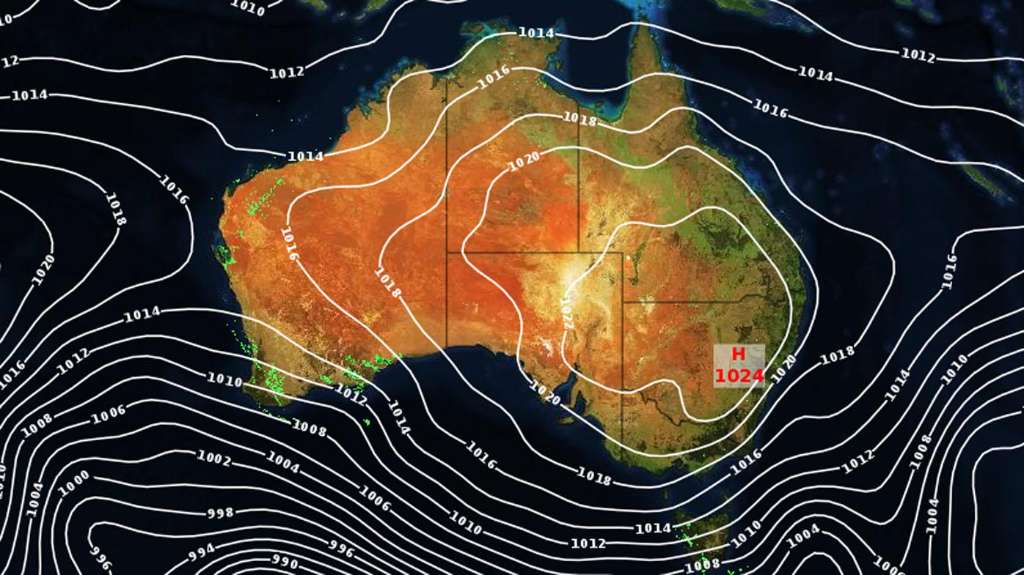
Australia has recorded a new all-time atmospheric pressure record, with meteorologists confirming that a strong and persistent high-pressure system pushed barometer readings above previous national highs.
The record was observed during a large-scale subtropical ridge (often called the “Australian High”), which expanded across southern parts of the country. These systems are common in Australia, but this event stood out for its exceptional intensity and coverage, producing unusually strong atmospheric compression over a wide region.
Atmospheric pressure measures the weight of air pressing down on the Earth’s surface, and high values are typically associated with stable weather, clear skies, light winds, and dry conditions. In this case, the system intensified as it remained slow-moving, allowing pressure to build over several days.
Meteorologists say the reading has surpassed previous records set in earlier high-pressure events, including strong winter systems that affected Tasmania and southern mainland Australia. While exact values vary by station elevation and sea-level adjustment, the national benchmark has now been officially updated following quality checks by the Bureau of Meteorology.
The high-pressure system responsible is part of a broader pattern linked to the subtropical ridge, a semi-permanent belt of high pressure that shifts north and south with the seasons. In winter, it tends to sit over southern Australia, often steering rain-bearing cold fronts further south and reducing rainfall across much of the mainland.
This particular event was notable because of:
Extreme atmospheric stability Widespread clear skies across multiple states Suppressed rainfall and cloud formation Prolonged duration of high pressure over land and sea
In practical terms, such systems can lead to:
Dry, settled weather conditions Cool nights (due to clear skies and heat loss) Reduced rainfall in affected regions Increased risk of drought conditions if persistent
However, they can also contribute to pleasant daytime conditions and stable forecasting patterns, making them significant for agriculture, aviation, and energy demand planning.
Climate scientists note that while high-pressure systems are a normal part of Australia’s weather system, the strength and persistence of pressure extremes are being closely studied in the context of long-term climate variability. Some research suggests shifts in large-scale atmospheric circulation patterns may influence how frequently these strong blocking highs occur.
Authorities have not indicated any direct hazard from the record itself, but they continue to monitor associated impacts such as reduced rainfall in southern and eastern regions during prolonged high-pressure dominance.
PressureAtmosphericHighHigh-PressureConditions
Australia has recorded a new all-time atmospheric pressure record, with meteorologists confirming that a strong and persistent high-pressure system pushed barometer readings above previous national highs.
The record was observed during a large-scale subtropical ridge (often called the “Australian High”), which expanded across southern parts of the country. These systems are common in Australia, but this event stood out for its exceptional intensity and coverage, producing unusually strong atmospheric compression over a wide region.
Atmospheric pressure measures the weight of air pressing down on the Earth’s surface, and high values are typically associated with stable weather, clear skies, light winds, and dry conditions. In this case, the system intensified as it remained slow-moving, allowing pressure to build over several days.
Meteorologists say the reading has surpassed previous records set in earlier high-pressure events, including strong winter systems that affected Tasmania and southern mainland Australia. While exact values vary by station elevation and sea-level adjustment, the national benchmark has now been officially updated following quality checks by the Bureau of Meteorology.
The high-pressure system responsible is part of a broader pattern linked to the subtropical ridge, a semi-permanent belt of high pressure that shifts north and south with the seasons. In winter, it tends to sit over southern Australia, often steering rain-bearing cold fronts further south and reducing rainfall across much of the mainland.
This particular event was notable because of:
Extreme atmospheric stability Widespread clear skies across multiple states Suppressed rainfall and cloud formation Prolonged duration of high pressure over land and sea
In practical terms, such systems can lead to:
Dry, settled weather conditions Cool nights (due to clear skies and heat loss) Reduced rainfall in affected regions Increased risk of drought conditions if persistent
However, they can also contribute to pleasant daytime conditions and stable forecasting patterns, making them significant for agriculture, aviation, and energy demand planning.
Climate scientists note that while high-pressure systems are a normal part of Australia’s weather system, the strength and persistence of pressure extremes are being closely studied in the context of long-term climate variability. Some research suggests shifts in large-scale atmospheric circulation patterns may influence how frequently these strong blocking highs occur.
Authorities have not indicated any direct hazard from the record itself, but they continue to monitor associated impacts such as reduced rainfall in southern and eastern regions during prolonged high-pressure dominance.
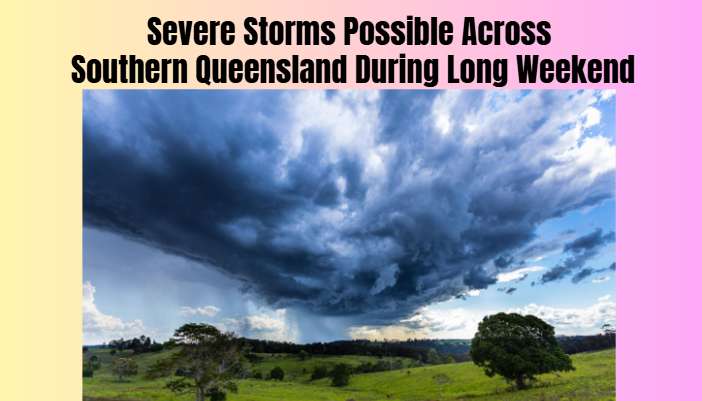
The Bureau of Meteorology is warning of possible thunderstorms across southern Queensland during the King’s Birthday long weekend, with unsettled weathe...
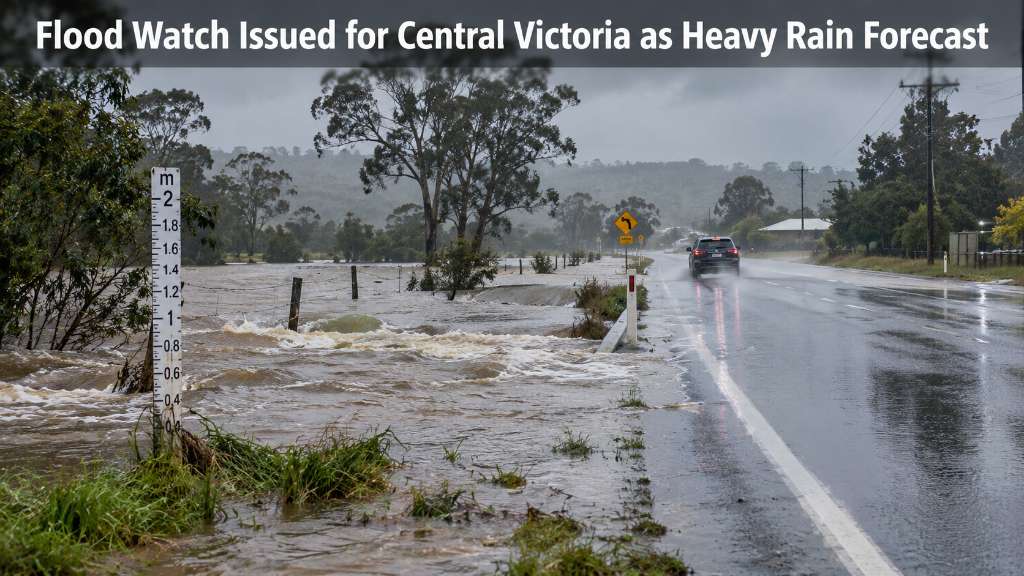
A flood watch is in place across parts of Victoria, with Ballarat and surrounding Central Victorian catchments facing the risk of minor to moderate floo...
Researchers are warning communities along South Australia's Lower Murray to prepare for more frequent flash droughts, with above-average temperatures fo...
Heavy and near-record rainfall has inundated parts of Western Australia's Goldfields and Esperance region, damaging pastoral properties and forcing the...
A 36-year-old man from Kambah has been charged with drug trafficking and multiple prohibited weapons offences after ACT Policing searched his home as pa...
The ACT will begin the first phase of the Thriving Kids program on October 1, providing developmental support pathways for children while concerns remai...
The Reserve Bank of Australia has increased the cash rate by 25 basis points to 4.6 per cent, while the federal government and opposition debate the cau...
Treasurer Jim Chalmers says the federal budget bottom line has improved by $6 billion compared with the May forecast, while the government faces pressur...
A 36-year-old man extradited from Perth has received a suspended prison sentence after being convicted over a violent incident involving four people at...
Darwin's Frontier Bar and Grill manager Aston Bell has received two industry awards, recognising her leadership, customer service and contribution to th...
A teenager from Devonport has died and four other people were injured after a serious crash involving a ute on Mersey Main Road near Latrobe, Tasmania.