Safety note: Admin approval is an initial review, not a guarantee that every detail is correct. Check important or urgent claims with official sources and report anything inaccurate or unsafe.
Source and credit: Contributor's own report
Canberra’s Iconic Concrete Bus Shelters Added to Heritage Register - Canberra, ACT
Smart summary
Canberra’s distinctive 1970s-era concrete bus shelters have been officially heritage listed, recognising their architectural and social significance across the ACT.
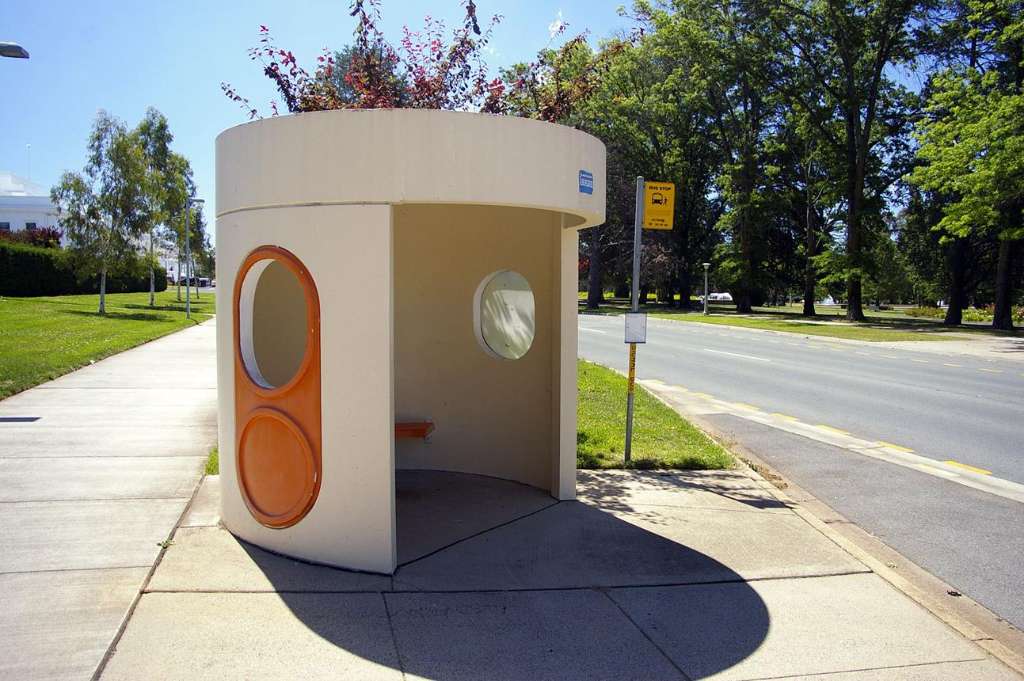
Canberra’s distinctive concrete bus shelters have officially been added to the ACT Heritage Register, recognising their architectural, cultural and social importance to the city.
The shelters are an instantly recognisable feature of Canberra’s suburban landscape. Designed by architect Clem Cummings and introduced during Canberra’s period of rapid suburban development, the structures became closely associated with the city’s public transport network.
Their heritage listing means the shelters are now formally recognised as an important part of Canberra’s built environment. The decision reflects their unusual design as well as their connection with the development of Canberra’s suburbs and public transport infrastructure.
The concrete shelters were designed to be functional while also responding to Canberra’s distinctive landscape and climate. Their simple geometric forms gave them a visual identity that differed from conventional bus shelters found in many Australian cities.
Over the years, the shelters have become familiar landmarks for generations of Canberra residents. Many people have used them while commuting to school, work, shopping centres and other parts of the city.
Heritage recognition can help ensure that significant examples of the shelters are protected as Canberra continues to grow and infrastructure changes.
The listing is particularly relevant because Canberra’s suburbs have undergone substantial development since the shelters were first constructed. Some older public infrastructure has been replaced or modified as transport requirements have changed.
Heritage protection provides a framework for considering the cultural value of the structures when future changes are proposed.
The shelters are also an example of how everyday infrastructure can become part of a city’s identity. Unlike major monuments or government buildings, bus shelters are used as part of ordinary daily life. Their significance comes partly from the large number of people who have interacted with them over many decades.
The heritage listing recognises that Canberra’s history is represented not only by its national institutions but also by ordinary suburban features.
For residents, the decision may also encourage greater appreciation of the city's architectural history. Canberra is known for its planned urban design, and the concrete bus shelters form part of that broader story.
The structures demonstrate the relationship between architecture, public transport and suburban planning during an important period of Canberra’s development.
Heritage recognition does not necessarily mean every shelter will remain unchanged forever. Instead, it provides a framework for protecting the identified heritage values while allowing appropriate maintenance and management.
The ACT Government's decision therefore gives the shelters a stronger level of recognition as Canberra continues to modernise its transport infrastructure.
For visitors, the shelters offer another example of Canberra’s distinctive design heritage. For long-term residents, they represent familiar features that have been part of everyday journeys for decades.
The listing is a significant local heritage development because it protects an aspect of Canberra that might otherwise be overlooked as ordinary infrastructure.
This is a new, unique Canberra-specific news story published on 11 August 2026. I have excluded the Canberra public-housing campaign, general federal political news, property listings and older ACT stories.
CanberraSheltersHeritageInfrastructureCity
Canberra’s distinctive concrete bus shelters have officially been added to the ACT Heritage Register, recognising their architectural, cultural and social importance to the city.
The shelters are an instantly recognisable feature of Canberra’s suburban landscape. Designed by architect Clem Cummings and introduced during Canberra’s period of rapid suburban development, the structures became closely associated with the city’s public transport network.
Their heritage listing means the shelters are now formally recognised as an important part of Canberra’s built environment. The decision reflects their unusual design as well as their connection with the development of Canberra’s suburbs and public transport infrastructure.
The concrete shelters were designed to be functional while also responding to Canberra’s distinctive landscape and climate. Their simple geometric forms gave them a visual identity that differed from conventional bus shelters found in many Australian cities.
Over the years, the shelters have become familiar landmarks for generations of Canberra residents. Many people have used them while commuting to school, work, shopping centres and other parts of the city.
Heritage recognition can help ensure that significant examples of the shelters are protected as Canberra continues to grow and infrastructure changes.
The listing is particularly relevant because Canberra’s suburbs have undergone substantial development since the shelters were first constructed. Some older public infrastructure has been replaced or modified as transport requirements have changed.
Heritage protection provides a framework for considering the cultural value of the structures when future changes are proposed.
The shelters are also an example of how everyday infrastructure can become part of a city’s identity. Unlike major monuments or government buildings, bus shelters are used as part of ordinary daily life. Their significance comes partly from the large number of people who have interacted with them over many decades.
The heritage listing recognises that Canberra’s history is represented not only by its national institutions but also by ordinary suburban features.
For residents, the decision may also encourage greater appreciation of the city's architectural history. Canberra is known for its planned urban design, and the concrete bus shelters form part of that broader story.
The structures demonstrate the relationship between architecture, public transport and suburban planning during an important period of Canberra’s development.
Heritage recognition does not necessarily mean every shelter will remain unchanged forever. Instead, it provides a framework for protecting the identified heritage values while allowing appropriate maintenance and management.
The ACT Government's decision therefore gives the shelters a stronger level of recognition as Canberra continues to modernise its transport infrastructure.
For visitors, the shelters offer another example of Canberra’s distinctive design heritage. For long-term residents, they represent familiar features that have been part of everyday journeys for decades.
The listing is a significant local heritage development because it protects an aspect of Canberra that might otherwise be overlooked as ordinary infrastructure.
This is a new, unique Canberra-specific news story published on 11 August 2026. I have excluded the Canberra public-housing campaign, general federal political news, property listings and older ACT stories.
A fire damaged the Moama Football and Netball Club's social rooms during Saturday's grand final, forcing about 1,000 people to leave the building becaus...
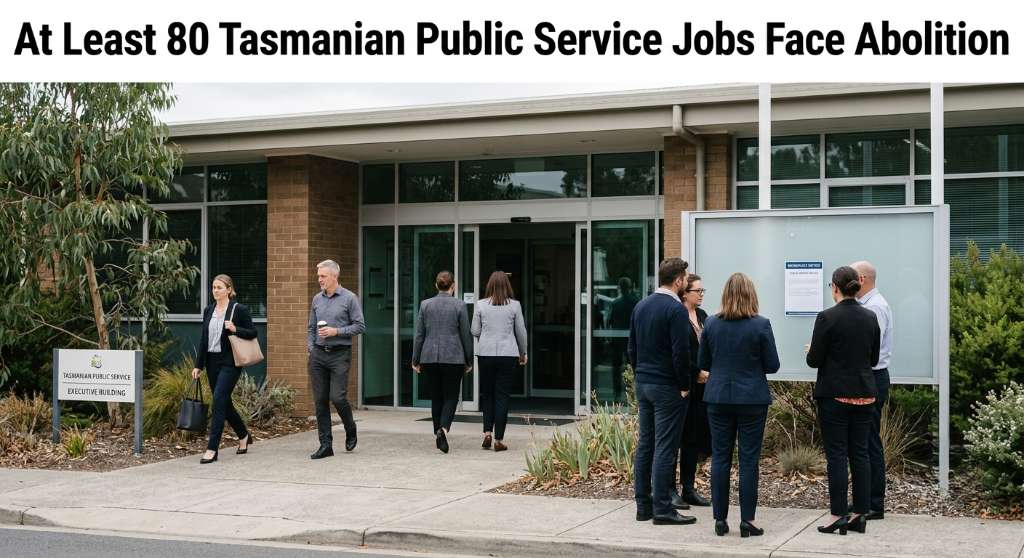
At least 80 positions have been identified for abolition as Tasmania restructures parts of its public service and works toward a broader reduction in go...
A local investor has purchased Brisbane's historic Coorparoo Bowls Club, with both bowling greens set to remain and the clubhouse planned for renovation.
A Bendigo-based migration agent has raised concerns about proposed changes to Australia’s migration system, saying the federal government’s planned reduction in net migration co...
The federal Coalition has released an eight-point energy policy proposing changes to Australia's climate legislation, offshore wind zones, vehicle effic...
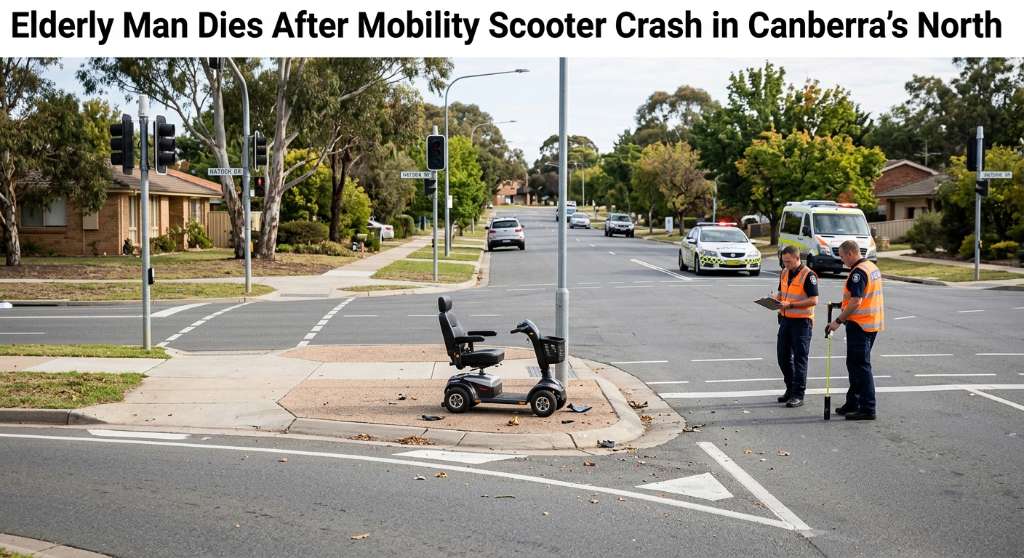
A 95-year-old man has died after a vehicle collided with his mobility scooter at an intersection in Bruce earlier this month, with investigators now exa...
Police are investigating an alleged animal-cruelty incident at a rural property in Tuggeranong after eight sheep were reportedly rounded up and injured,...
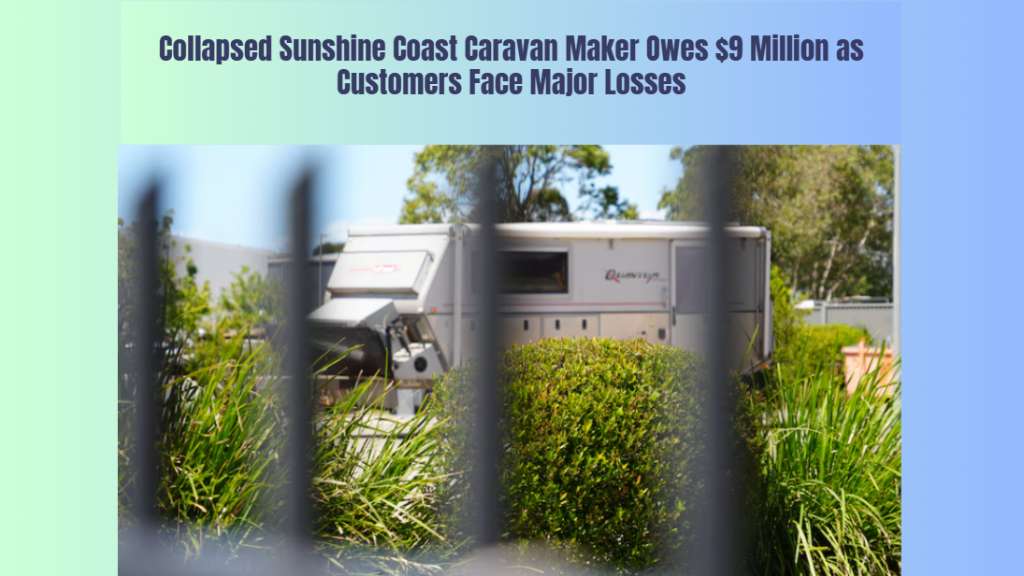
Administrators have revealed Australian Off Road owes about $9 million after the Sunshine Coast caravan manufacturer collapsed, leaving customers, emplo...
A woman has died following a serious three-vehicle collision involving a commercial bus and two cars in Glenburn, in Victoria’s Yarra Ranges, on Thursday, 24 September 2026. Eme...
A woman has died following a serious three-car collision in Leongatha, Victoria, on Wednesday afternoon, 23 September 2026. Emergency services were called to the Strzelecki High...
A Queensland parliamentary committee has completed regional hearings on proposed tougher bail laws, hearing from crime victims, legal experts and commun...