Australians Gather to Honour Fallen Soldiers on Remembrance Day
By Chloe · Published 11 Nov 2026 · Updated 11 Nov 2026
Canberra, ACT · ACT News
Safety note: Admin approval is an initial review, not a guarantee that every detail is correct. Check important or urgent claims with official sources and report anything inaccurate or unsafe.
Source and credit: Contributor's own report
Australians Gather to Honour Fallen Soldiers on Remembrance Day - Canberra, ACT
Smart summary
Australians across the country pause for a minute of silence to remember military personnel who lost their lives in wars and conflicts, as newly identified First World War soldiers receive recognition more than a cent...
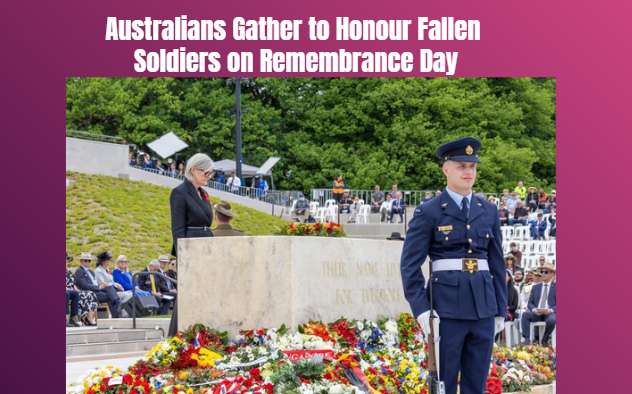
Australians across the country came together on Wednesday, 11 November 2026, to observe Remembrance Day and honour the men and women who served and sacrificed their lives in wars and armed conflicts. Commemorative services were held in cities, towns and communities, with people gathering at war memorials to remember those who never returned home.
The annual observance takes place at the eleventh hour of the eleventh day of the eleventh month. The moment marks the armistice that brought fighting on the Western Front to an end on 11 November 1918, during the First World War. Australians traditionally pause for one minute of silence to reflect on the sacrifices made by generations of service personnel.
This year's commemorations carried additional historical significance after the identities of eleven Australian soldiers were confirmed more than a century after their deaths during the First World War. Among those identified was Lieutenant Andrew Anderson, the great-uncle of Defence Minister Richard Marles. Anderson survived several major battles, including Pozieres, Mouquet Farm and Bullecourt, before being killed during the Battle of Menin Road near Ypres in 1917.
The discovery has renewed attention on the individual stories behind Australia's military history. Many soldiers who died overseas were separated from their families, and their stories remain an important part of the country's national heritage.
In Canberra, the National War Memorial hosted a major commemorative service attended by veterans, government representatives and members of the public. National RSL President Peter Tinley led the remembrance oath, paying tribute to Australians who served in conflicts throughout the country's history.
The ceremonies were not limited to the national capital. Communities throughout New South Wales, Victoria, Queensland, South Australia, Western Australia, Tasmania and the Northern Territory also held local remembrance events. Schools, workplaces and community organisations encouraged people to observe the traditional minute of silence.
The day also provided an opportunity to recognise the continuing impact of military service on veterans and their families. Remembrance Day is not only about remembering those who died in battle but also acknowledging people who survived conflict and continue to experience its physical and emotional consequences.
Australian communities continue to recognise the importance of supporting former service personnel, particularly those who have returned from more recent conflicts.
The commemorations serve as a reminder of Australia's military history, the sacrifices made by previous generations and the importance of preserving their stories for younger Australians.
As the country observed the eleventh hour of Remembrance Day, people were encouraged to reflect on the meaning of service, sacrifice, peace and national remembrance.
RemembranceAustraliansNationalServiceWere
Australians across the country came together on Wednesday, 11 November 2026, to observe Remembrance Day and honour the men and women who served and sacrificed their lives in wars and armed conflicts. Commemorative services were held in cities, towns and communities, with people gathering at war memorials to remember those who never returned home.
The annual observance takes place at the eleventh hour of the eleventh day of the eleventh month. The moment marks the armistice that brought fighting on the Western Front to an end on 11 November 1918, during the First World War. Australians traditionally pause for one minute of silence to reflect on the sacrifices made by generations of service personnel.
This year's commemorations carried additional historical significance after the identities of eleven Australian soldiers were confirmed more than a century after their deaths during the First World War. Among those identified was Lieutenant Andrew Anderson, the great-uncle of Defence Minister Richard Marles. Anderson survived several major battles, including Pozieres, Mouquet Farm and Bullecourt, before being killed during the Battle of Menin Road near Ypres in 1917.
The discovery has renewed attention on the individual stories behind Australia's military history. Many soldiers who died overseas were separated from their families, and their stories remain an important part of the country's national heritage.
In Canberra, the National War Memorial hosted a major commemorative service attended by veterans, government representatives and members of the public. National RSL President Peter Tinley led the remembrance oath, paying tribute to Australians who served in conflicts throughout the country's history.
The ceremonies were not limited to the national capital. Communities throughout New South Wales, Victoria, Queensland, South Australia, Western Australia, Tasmania and the Northern Territory also held local remembrance events. Schools, workplaces and community organisations encouraged people to observe the traditional minute of silence.
The day also provided an opportunity to recognise the continuing impact of military service on veterans and their families. Remembrance Day is not only about remembering those who died in battle but also acknowledging people who survived conflict and continue to experience its physical and emotional consequences.
Australian communities continue to recognise the importance of supporting former service personnel, particularly those who have returned from more recent conflicts.
The commemorations serve as a reminder of Australia's military history, the sacrifices made by previous generations and the importance of preserving their stories for younger Australians.
As the country observed the eleventh hour of Remembrance Day, people were encouraged to reflect on the meaning of service, sacrifice, peace and national remembrance.
More than 200 Australian Defence Force Academy participants took part in a 42-hour remembrance march, recognising fallen service members and supporting...
A kindness campaign founder, a long-serving community volunteer, a young hip-hop artist and a wildlife conservationist have been recognised for their co...
Residents of Hermannsburg in the Northern Territory can once again access free-to-air television, restoring an important source of news, entertainment a...
More than 200 Australian Defence Force Academy participants took part in a 42-hour remembrance march, recognising fallen service members and supporting...
Prime Minister Anthony Albanese is meeting Philippine President Ferdinand Marcos Jr in Manila following a new defence cooperation agreement focused on m...
The ACT Government has released early designs for a major hospital expansion in Bruce, featuring new clinical facilities, additional beds, an emergency...
Public school teachers in the Australian Capital Territory have rejected another government offer, keeping concerns over classroom arrangements and teac...
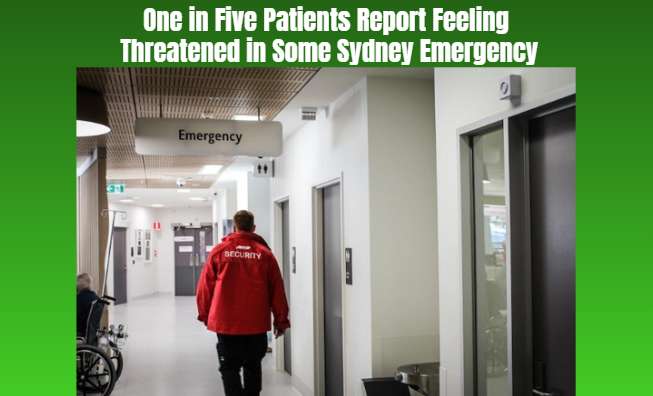
NSW patient survey findings highlight safety concerns in several major hospitals, as the state government commits additional security staff to emergency...
Police are investigating a daylight theft after three valuable trophies belonging to Australia's legendary racehorse were taken from an exhibition displ...
Operation Amarok 15 resulted in 1,594 charges, hundreds of apprehended domestic violence order breaches identified and dozens of firearms seized across...