Hermannsburg Community Gets Free-to-Air Television Back After Long Break
By Chloe · Published 05 Nov 2026 · Updated 05 Nov 2026
Hermannsburg, NT
Safety note: Admin approval is an initial review, not a guarantee that every detail is correct. Check important or urgent claims with official sources and report anything inaccurate or unsafe.
Source and credit: Contributor's own report
Hermannsburg Community Gets Free-to-Air Television Back After Long Break - Hermannsburg, NT
Smart summary
Residents of Hermannsburg in the Northern Territory can once again access free-to-air television, restoring an important source of news, entertainment and information for the remote community.
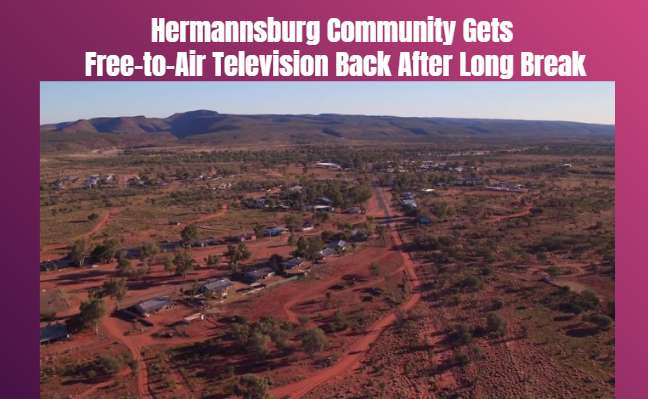
Residents of Hermannsburg, also known by its traditional name Ntaria, in Australia's Northern Territory have regained access to free-to-air television through a new government-supported broadcasting initiative announced on 5 November 2026.
The restoration is part of a three-year remote television pilot program funded by the Northern Territory Government. The initiative has received $570,000 in government funding and aims to improve television access in communities where residents have faced difficulties receiving reliable broadcasting services.
For many households in remote communities, access to television has been a continuing challenge. Some residents previously depended on satellite television services or mobile internet connections to watch programs. These options could create additional household expenses, particularly for families who needed to purchase equipment or use mobile data regularly.
Under the new arrangement, Hermannsburg residents can access free-to-air television without depending on mobile data or Viewer Access Satellite Technology (VAST). The change is expected to reduce the financial pressure on households and make television services more accessible.
The project also aims to improve access to important information. Television remains an important communication channel for communities, particularly during emergencies, severe weather events and other situations when residents need reliable public information.
The Northern Territory Government has confirmed that Hermannsburg is the first of three remote communities included in the pilot program. The next locations are expected to be Ampilatwatja in the Barkly region and Yuendumu in the Central Desert region. Both communities are expected to receive restored local television broadcasting before the end of 2026.
The program is being delivered with support from the Central Desert, Mac Donnell and Barkly regional councils. These councils are responsible for local procurement, project delivery, community engagement and ongoing management.
Minister for Corporate and Digital Development Joshua Burgoyne said the initiative was designed to provide practical benefits to residents across the Territory. He highlighted the importance of ensuring people have access to news, emergency information, education, sport and entertainment regardless of where they live.
The government also said the project would help reduce household expenses. When families have limited access to traditional television services, they may need to rely on internet streaming, which can increase mobile data costs.
Local resident Nicholas Williams welcomed the restoration, explaining that families previously faced additional expenses when purchasing television set-top boxes. He said some residents had to borrow equipment from relatives when their own devices stopped working or needed repairs.
The government intends to use the pilot program to collect information about the cost and effectiveness of restoring television services in remote locations. The findings could help guide future investment and discussions with the Commonwealth Government about expanding broadcasting access.
For Hermannsburg residents, the return of free-to-air television represents an improvement in everyday access to information and entertainment. The project also offers a possible model for other remote communities experiencing similar connectivity challenges.
TelevisionAccessResidentsCommunitiesGovernment
Residents of Hermannsburg, also known by its traditional name Ntaria, in Australia's Northern Territory have regained access to free-to-air television through a new government-supported broadcasting initiative announced on 5 November 2026.
The restoration is part of a three-year remote television pilot program funded by the Northern Territory Government. The initiative has received $570,000 in government funding and aims to improve television access in communities where residents have faced difficulties receiving reliable broadcasting services.
For many households in remote communities, access to television has been a continuing challenge. Some residents previously depended on satellite television services or mobile internet connections to watch programs. These options could create additional household expenses, particularly for families who needed to purchase equipment or use mobile data regularly.
Under the new arrangement, Hermannsburg residents can access free-to-air television without depending on mobile data or Viewer Access Satellite Technology (VAST). The change is expected to reduce the financial pressure on households and make television services more accessible.
The project also aims to improve access to important information. Television remains an important communication channel for communities, particularly during emergencies, severe weather events and other situations when residents need reliable public information.
The Northern Territory Government has confirmed that Hermannsburg is the first of three remote communities included in the pilot program. The next locations are expected to be Ampilatwatja in the Barkly region and Yuendumu in the Central Desert region. Both communities are expected to receive restored local television broadcasting before the end of 2026.
The program is being delivered with support from the Central Desert, Mac Donnell and Barkly regional councils. These councils are responsible for local procurement, project delivery, community engagement and ongoing management.
Minister for Corporate and Digital Development Joshua Burgoyne said the initiative was designed to provide practical benefits to residents across the Territory. He highlighted the importance of ensuring people have access to news, emergency information, education, sport and entertainment regardless of where they live.
The government also said the project would help reduce household expenses. When families have limited access to traditional television services, they may need to rely on internet streaming, which can increase mobile data costs.
Local resident Nicholas Williams welcomed the restoration, explaining that families previously faced additional expenses when purchasing television set-top boxes. He said some residents had to borrow equipment from relatives when their own devices stopped working or needed repairs.
The government intends to use the pilot program to collect information about the cost and effectiveness of restoring television services in remote locations. The findings could help guide future investment and discussions with the Commonwealth Government about expanding broadcasting access.
For Hermannsburg residents, the return of free-to-air television represents an improvement in everyday access to information and entertainment. The project also offers a possible model for other remote communities experiencing similar connectivity challenges.
New government figures reveal a rise in poker machine revenue across all six council areas, prompting renewed attention on gambling-related harm and com...
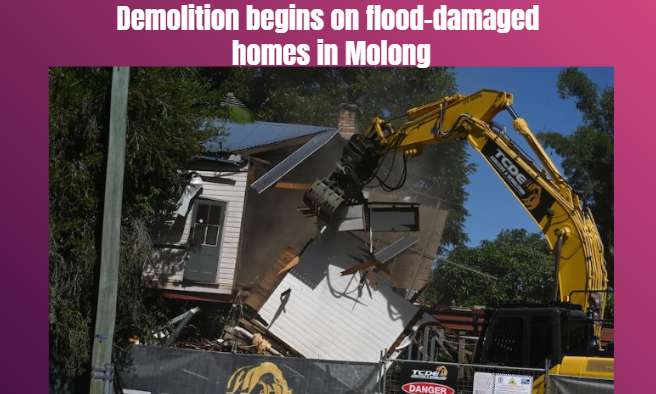
Work has officially started on removing flood-affected properties along Betts Street as the regional community continues its recovery and rebuilding eff...
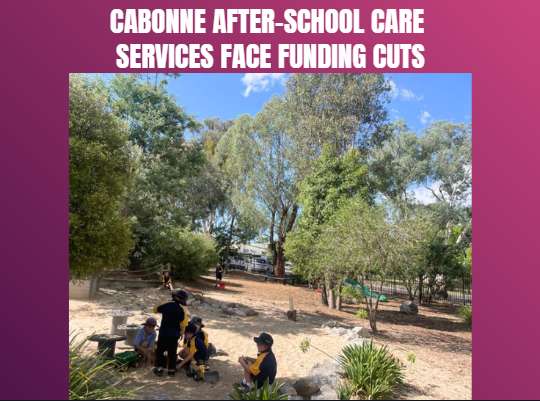
Federal funding cuts affecting out-of-school-hours care services have prompted Cabonne councillors to call for a review, raising concerns about childcar...
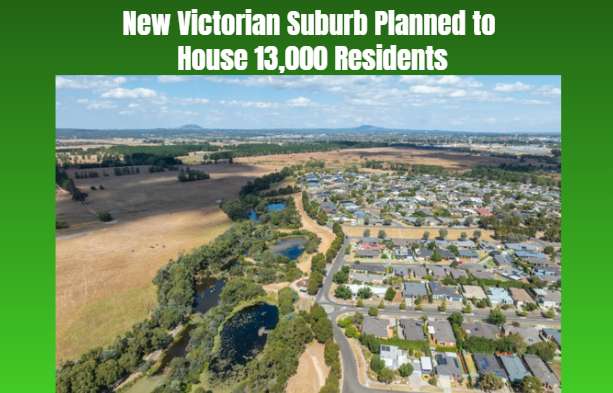
A proposed new suburb around 100 kilometres from Melbourne is expected to accommodate up to 13,000 people, as Victoria continues planning for future hou...
Regional leaders have called for action on deteriorating roads, water security and essential services during a meeting with Queensland ministers and sen...
A collision involving two heavy vehicles has closed part of the Great Eastern Highway near Meckering in Western Australia's Wheatbelt, prompting an emer...
The Shire of Dundas has approved emergency repairs after runway damage disrupted flights carrying fly-in, fly-out mining workers, forcing many to travel...
New government figures reveal a rise in poker machine revenue across all six council areas, prompting renewed attention on gambling-related harm and com...
International Indigenous tourism leaders meet in Perth to promote Aboriginal-owned tourism businesses, cultural experiences, investment opportunities an...
Residents near Orange in regional New South Wales are calling for dust testing on four unsealed roads amid concerns about naturally occurring asbestos.
A local resident has called for better lighting along a coastal walkway in Geraldton after a woman was assaulted in the area, renewing concerns about sa...