Family Seeks Fresh Investigation Into Neil Tracey's 1989 Death After Decades of Unanswered Questions
By Neha Maurya · Published 13 Jun 2026 · Updated 13 Jun 2026
Brisbane, Queensland · Queensland News
Safety note: Admin approval is an initial review, not a guarantee that every detail is correct. Check important or urgent claims with official sources and report anything inaccurate or unsafe.
Family Seeks Fresh Investigation Into Neil Tracey's 1989 Death After Decades of Unanswered Questions - Brisbane, Queensland
Smart summary
Nearly four decades after Canberra man Neil Tracey was found dead in a Brisbane boarding house, his family is pushing for a new coronial review, saying they still do not have the answers they have long sought.
The family of Neil Tracey, a Canberra man found dead in Brisbane in 1989, has launched a renewed effort to have the circumstances surrounding his death independently reviewed, arguing that important questions remain unresolved almost 40 years later.
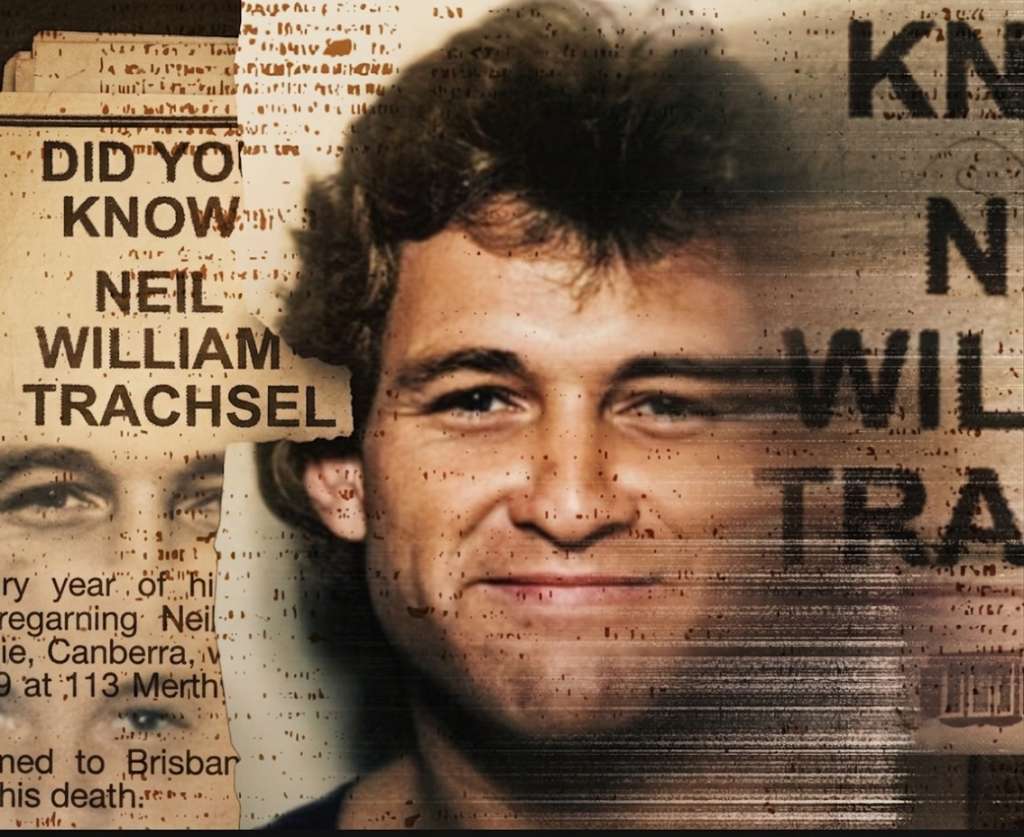
Neil Tracey, originally from Ainslie in Canberra, was just 26 years old when he was discovered deceased at a boarding house in the inner-Brisbane suburb of New Farm on 9 May 1989. At the time, investigators determined that his death resulted from a drug overdose and the matter was considered non-suspicious.
For authorities, the case appeared straightforward. For Neil's relatives, however, it marked the beginning of decades of uncertainty.
Family members have consistently questioned whether all aspects of the case were thoroughly examined. They claim Neil had been living in fear before his death after allegedly becoming involved in circumstances linked to Canberra's criminal underworld.
According to relatives, Neil had relocated from Canberra to Brisbane in late 1988 because he believed his safety was at risk. Family members allege he had been warned that individuals connected to organised crime were searching for him following the theft of a safe from a Canberra residence.
The Tracey family says these concerns should have warranted closer scrutiny during the original investigation.
Adding to their frustration is the existence of a police document related to Neil's death that reportedly remains sealed within the Queensland State Archives until 2054, limiting the family's access to information they believe could provide important context.
Neil's niece, who has been actively involved in seeking answers, said the unresolved nature of the case has had a profound impact across generations.
Family members describe Neil as a talented sportsman and well-liked young man whose sudden death devastated those closest to him. His mother, relatives say, never recovered from the loss.
The renewed push for a coronial review is not necessarily driven by a desire to challenge the original findings, but rather by a need for certainty.
The family has indicated that if a fresh investigation confirms Neil died from a self-administered overdose, they would accept that outcome. Their primary objective is ensuring every available avenue has been explored so that lingering doubts can finally be addressed.
To support their efforts, relatives have reportedly engaged a forensic expert to reassess the known evidence and circumstances surrounding the case.
The Queensland Coroners Court has confirmed Neil Tracey's death was the subject of a coronial investigation in 1989, although it has not publicly commented on whether a further review will occur.
The family's appeal reflects a broader reality faced by many Australians affected by historical deaths that continue to raise unanswered questions long after official investigations conclude.
For Neil Tracey's loved ones, the passage of time has not diminished their determination.
After nearly four decades, they say their goal remains simple: to uncover the truth and finally find a measure of peace.
NeilFamilyDeathTraceyCanberra
The family of Neil Tracey, a Canberra man found dead in Brisbane in 1989, has launched a renewed effort to have the circumstances surrounding his death independently reviewed, arguing that important questions remain unresolved almost 40 years later.
Neil Tracey, originally from Ainslie in Canberra, was just 26 years old when he was discovered deceased at a boarding house in the inner-Brisbane suburb of New Farm on 9 May 1989. At the time, investigators determined that his death resulted from a drug overdose and the matter was considered non-suspicious.
For authorities, the case appeared straightforward. For Neil's relatives, however, it marked the beginning of decades of uncertainty.
Family members have consistently questioned whether all aspects of the case were thoroughly examined. They claim Neil had been living in fear before his death after allegedly becoming involved in circumstances linked to Canberra's criminal underworld.
According to relatives, Neil had relocated from Canberra to Brisbane in late 1988 because he believed his safety was at risk. Family members allege he had been warned that individuals connected to organised crime were searching for him following the theft of a safe from a Canberra residence.
The Tracey family says these concerns should have warranted closer scrutiny during the original investigation.
Adding to their frustration is the existence of a police document related to Neil's death that reportedly remains sealed within the Queensland State Archives until 2054, limiting the family's access to information they believe could provide important context.
Neil's niece, who has been actively involved in seeking answers, said the unresolved nature of the case has had a profound impact across generations.
Family members describe Neil as a talented sportsman and well-liked young man whose sudden death devastated those closest to him. His mother, relatives say, never recovered from the loss.
The renewed push for a coronial review is not necessarily driven by a desire to challenge the original findings, but rather by a need for certainty.
The family has indicated that if a fresh investigation confirms Neil died from a self-administered overdose, they would accept that outcome. Their primary objective is ensuring every available avenue has been explored so that lingering doubts can finally be addressed.
To support their efforts, relatives have reportedly engaged a forensic expert to reassess the known evidence and circumstances surrounding the case.
The Queensland Coroners Court has confirmed Neil Tracey's death was the subject of a coronial investigation in 1989, although it has not publicly commented on whether a further review will occur.
The family's appeal reflects a broader reality faced by many Australians affected by historical deaths that continue to raise unanswered questions long after official investigations conclude.
For Neil Tracey's loved ones, the passage of time has not diminished their determination.
After nearly four decades, they say their goal remains simple: to uncover the truth and finally find a measure of peace.
More images from this report
Family Seeks Fresh Investigation Into Neil Tracey's 1989 Death After Decades of Unanswered Questions - image 2
An automated external defibrillator and memorial plaque have been installed at Ellery Creek Big Hole following the death of disability advocate Ellen Fr...
Bathurst New South Wales · Community News · 17 Sep 2026
Kerry “Pecky” Peck, a long-standing Bathurst radio personality, has been inducted into the Bathurst Business Hall of Fame in recognition of his extensive contribution to the loc...
A new specialist family-violence support model has been introduced in Ballarat, with dedicated workers now embedded alongside Victoria Police to help people experiencing family...
Orange New South Wales · Community News · 17 Sep 2026
Orange City Council has elected a new Deputy Mayor for the next two years, with the decision announced today, 17 September 2026. The council said the election took place during...
Queensland's emerging football prospects are coming together for a three-day Brisbane Lions State Academy showcase, giving young players an opportunity...
A Wavell Heights enrolled nurse has been charged with four counts of alleged sexual assault and one count of wilful exposure, with his professional regi...
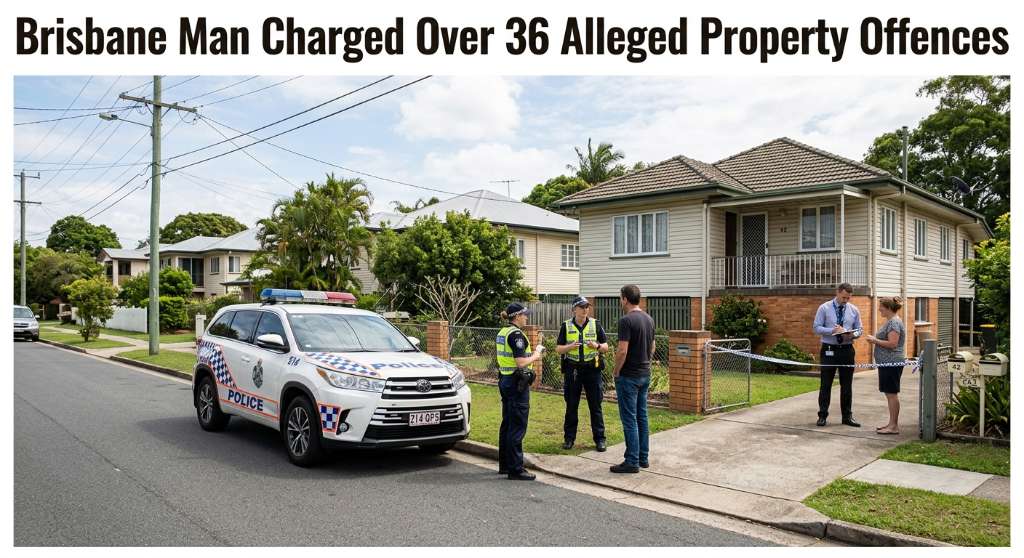
A 24-year-old Carina Heights man has been charged with 36 offences following an investigation into alleged break-ins, vehicle offences and other propert...
Cairns Regional Council has unanimously voted to seek $400,000 in Queensland Government funding for a program designed to connect local businesses with the region’s growing film...
An automated external defibrillator and memorial plaque have been installed at Ellery Creek Big Hole following the death of disability advocate Ellen Fr...
Queensland firefighters spent several hours monitoring a significant grass fire at Mary Kinross Park in Bargara, near Bundaberg, after the blaze broke out on Wednesday evening....