Safety note: Admin approval is an initial review, not a guarantee that every detail is correct. Check important or urgent claims with official sources and report anything inaccurate or unsafe.
Source and credit: Contributor's own report
North-West Tasmania Introduces Four-Strike Bin Contamination Rule - Burnie, TAS
Smart summary
Burnie and other north-west Tasmanian councils have introduced a stricter "four strikes" policy for households repeatedly contaminating recycling and FOGO bins, with collection services at risk of suspension for repea...
Residents across Burnie and other north-west Tasmanian communities are being warned that repeatedly placing incorrect items in recycling and Food Organics and Garden Organics (FOGO) bins could result in the temporary suspension of their collection service under a new four-strike policy. The initiative has been introduced by regional waste authorities to reduce contamination, improve recycling outcomes and lower the financial burden on ratepayers.
Waste management officials say contamination has become a costly issue across the region. Items such as batteries, electronics, needles, plastic bags and general rubbish have regularly been found in recycling and FOGO bins. When contamination is detected, entire truckloads of material may need to be diverted to landfill instead of being recycled or composted, creating significant additional costs.
According to regional waste authorities, contamination has cost the north-west region more than $700,000 over the past year. Officials believe the new enforcement system will encourage better recycling habits while protecting workers who handle waste, particularly from hazardous items such as batteries that can cause fires in collection trucks and processing facilities.
Under the policy, households that repeatedly ignore warnings after several inspections may have their recycling or FOGO collection temporarily suspended. Before reaching that stage, residents will receive education, warnings and opportunities to correct their recycling practices. Authorities emphasised that the program is intended to improve behaviour rather than punish residents.
Burnie City Council supports the initiative, noting that improved recycling practices help reduce landfill costs while protecting the environment. Council representatives said the vast majority of residents already use the service correctly, with only a small number of households responsible for repeated contamination.
Waste management organisations are encouraging residents to familiarise themselves with accepted recycling guidelines. Correctly sorting waste helps produce higher-quality recycled materials and compost while reducing disposal costs for local councils.
Community education campaigns will continue throughout the year, providing information about what can and cannot be placed in each bin. Officials believe better awareness will improve recycling rates and reduce contamination across the region.
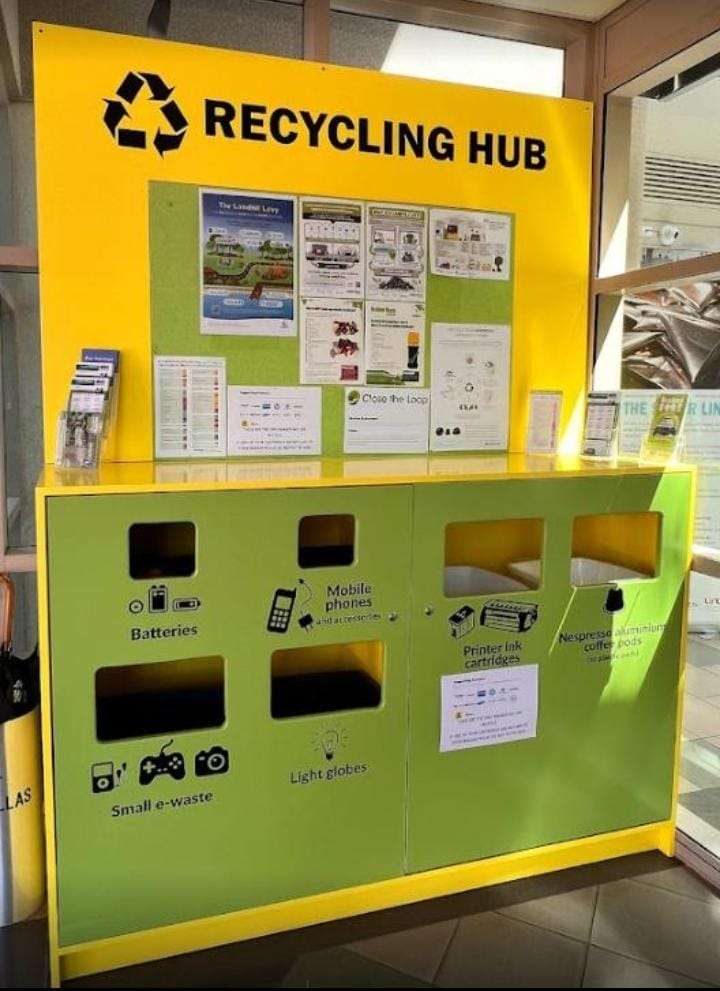
Authorities also reminded residents to dispose of hazardous items, including batteries and electronic waste, through designated collection points rather than kerbside bins. These materials require specialised handling and should never be mixed with household recycling or organic waste.
The new four-strike policy is expected to strengthen recycling outcomes across Burnie and neighbouring councils while encouraging greater environmental responsibility. Waste authorities hope the combination of education, inspections and enforcement will significantly reduce contamination levels and ensure regional recycling services remain sustainable into the future.
RecyclingWasteContaminationResidentsAuthorities
Residents across Burnie and other north-west Tasmanian communities are being warned that repeatedly placing incorrect items in recycling and Food Organics and Garden Organics (FOGO) bins could result in the temporary suspension of their collection service under a new four-strike policy. The initiative has been introduced by regional waste authorities to reduce contamination, improve recycling outcomes and lower the financial burden on ratepayers.
Waste management officials say contamination has become a costly issue across the region. Items such as batteries, electronics, needles, plastic bags and general rubbish have regularly been found in recycling and FOGO bins. When contamination is detected, entire truckloads of material may need to be diverted to landfill instead of being recycled or composted, creating significant additional costs.
According to regional waste authorities, contamination has cost the north-west region more than $700,000 over the past year. Officials believe the new enforcement system will encourage better recycling habits while protecting workers who handle waste, particularly from hazardous items such as batteries that can cause fires in collection trucks and processing facilities.
Under the policy, households that repeatedly ignore warnings after several inspections may have their recycling or FOGO collection temporarily suspended. Before reaching that stage, residents will receive education, warnings and opportunities to correct their recycling practices. Authorities emphasised that the program is intended to improve behaviour rather than punish residents.
Burnie City Council supports the initiative, noting that improved recycling practices help reduce landfill costs while protecting the environment. Council representatives said the vast majority of residents already use the service correctly, with only a small number of households responsible for repeated contamination.
Waste management organisations are encouraging residents to familiarise themselves with accepted recycling guidelines. Correctly sorting waste helps produce higher-quality recycled materials and compost while reducing disposal costs for local councils.
Community education campaigns will continue throughout the year, providing information about what can and cannot be placed in each bin. Officials believe better awareness will improve recycling rates and reduce contamination across the region.
Authorities also reminded residents to dispose of hazardous items, including batteries and electronic waste, through designated collection points rather than kerbside bins. These materials require specialised handling and should never be mixed with household recycling or organic waste.
The new four-strike policy is expected to strengthen recycling outcomes across Burnie and neighbouring councils while encouraging greater environmental responsibility. Waste authorities hope the combination of education, inspections and enforcement will significantly reduce contamination levels and ensure regional recycling services remain sustainable into the future.
An automated external defibrillator and memorial plaque have been installed at Ellery Creek Big Hole following the death of disability advocate Ellen Fr...
Bathurst New South Wales · Community News · 17 Sep 2026
Kerry “Pecky” Peck, a long-standing Bathurst radio personality, has been inducted into the Bathurst Business Hall of Fame in recognition of his extensive contribution to the loc...
A new specialist family-violence support model has been introduced in Ballarat, with dedicated workers now embedded alongside Victoria Police to help people experiencing family...
Orange New South Wales · Community News · 17 Sep 2026
Orange City Council has elected a new Deputy Mayor for the next two years, with the decision announced today, 17 September 2026. The council said the election took place during...
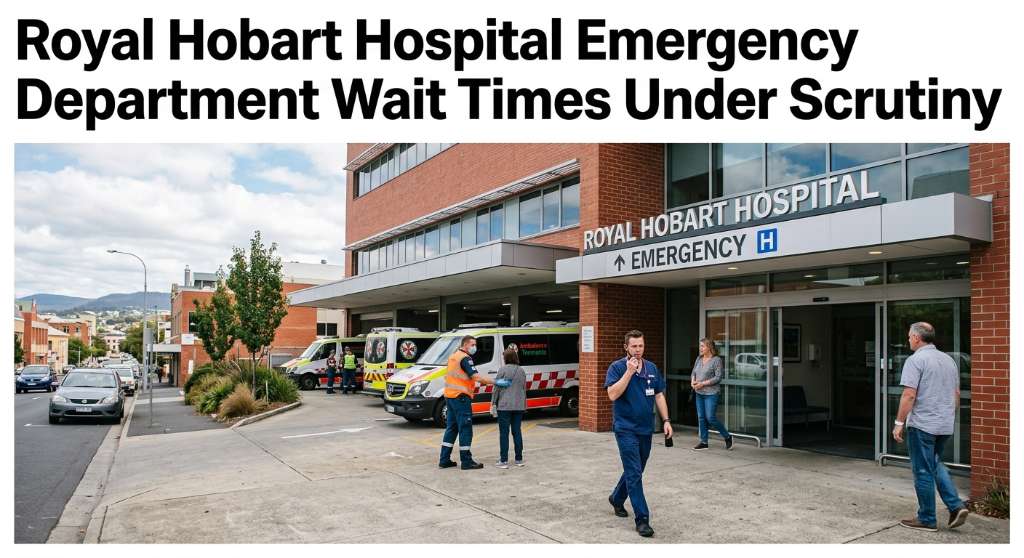
New figures have renewed concerns about emergency department delays at Royal Hobart Hospital, with the health system facing questions over patient waiti...
Cairns Regional Council has unanimously voted to seek $400,000 in Queensland Government funding for a program designed to connect local businesses with the region’s growing film...
An automated external defibrillator and memorial plaque have been installed at Ellery Creek Big Hole following the death of disability advocate Ellen Fr...
Queensland firefighters spent several hours monitoring a significant grass fire at Mary Kinross Park in Bargara, near Bundaberg, after the blaze broke out on Wednesday evening....