Safety note: Admin approval is an initial review, not a guarantee that every detail is correct. Check important or urgent claims with official sources and report anything inaccurate or unsafe.
Source and credit: Contributor's own report
Five Years After Winning the 2032 Olympics, Brisbane Faces Critical Countdown - Brisbane, QLD
Smart summary
Five years after Brisbane secured the 2032 Olympic and Paralympic Games, experts say the focus must now shift from planning to delivery, with major venues and transport projects entering a decisive phase.
Five years have passed since Brisbane was officially awarded the 2032 Olympic and Paralympic Games by the International Olympic Committee on 21 July 2021, marking a significant milestone in Australia's preparations to host the world's biggest sporting event for the third time. What was once a long-term vision has now entered a critical delivery phase, with just six years remaining until the Opening Ceremony.
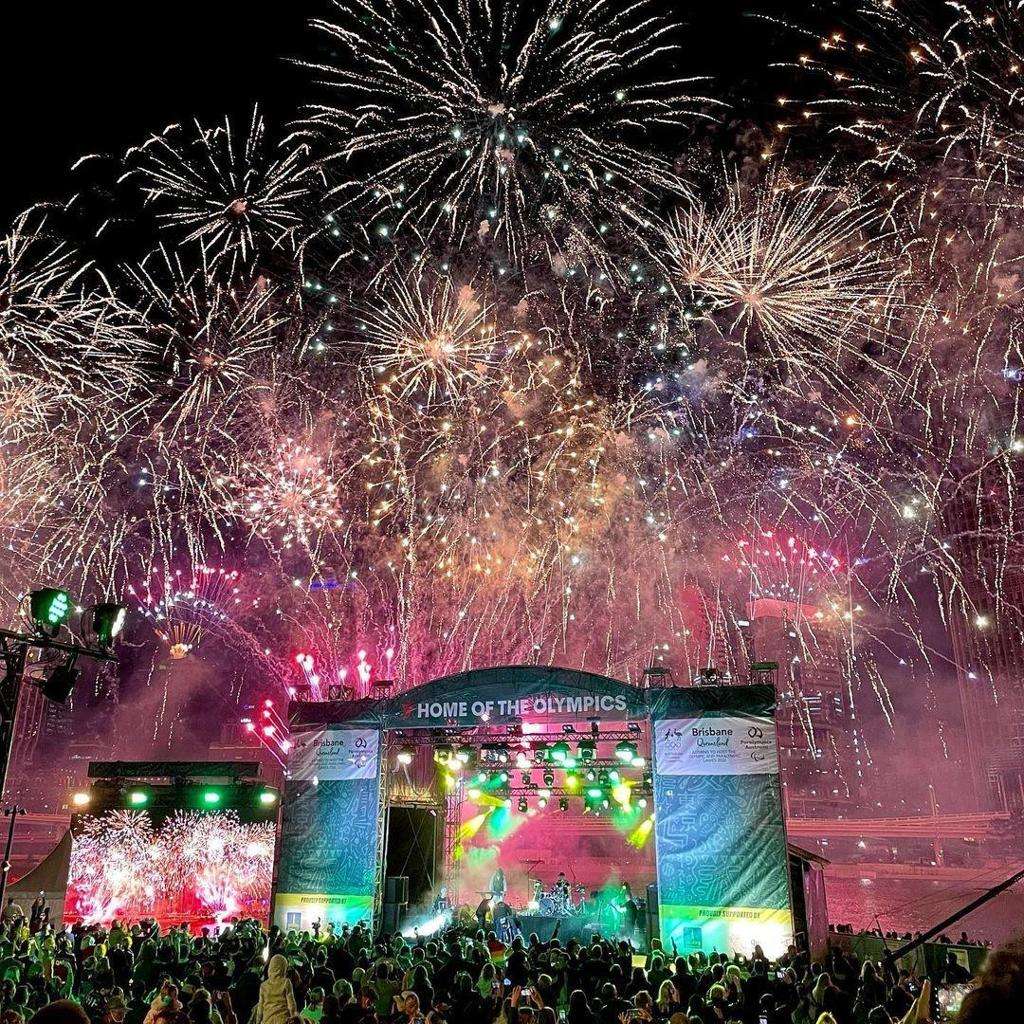
When Brisbane won the hosting rights in Tokyo during the COVID-19 pandemic, celebrations erupted across Queensland as fireworks lit up the Brisbane skyline. The successful bid was viewed as a major opportunity to accelerate investment in transport, sporting facilities and community infrastructure throughout the state.
Since then, preparations have experienced both progress and controversy. Multiple reviews of venue plans, changes in government, debates over stadium proposals and concerns about project costs have reshaped the original vision. One of the biggest changes has been the decision to construct a new 63,000-seat Brisbane Stadium at Victoria Park, which will host the Opening and Closing Ceremonies as well as athletics during the Games. Early construction work is scheduled to begin in 2026.
The Games will extend well beyond Brisbane, with events planned across the Gold Coast, Sunshine Coast, Toowoomba, Cairns, Townsville and other Queensland regions. The Queensland Government says Brisbane 2032 is intended to leave a lasting legacy through improved transport, sporting facilities and community infrastructure rather than simply delivering a major sporting event.
Industry experts, however, say there is little time to lose. Large infrastructure projects require years of planning, approvals and construction, and any significant delays could place pressure on delivery schedules. They argue that the next few years will be the most important period of the entire preparation process.
Funding also remains under close scrutiny. Billions of dollars have been allocated for venues, athletes' villages and supporting infrastructure, while governments continue to work on transport improvements and other legacy projects. Officials have acknowledged that operational costs may continue to evolve as planning progresses, although they say the objective is to maximise long-term benefits for Queensland communities.
Supporters of the Games believe Brisbane 2032 represents a once-in-a-generation opportunity to showcase Queensland on the world stage, attract international tourism, create employment and inspire greater participation in sport. Programs encouraging community involvement and youth participation are already underway as part of the Games' legacy strategy.
While debate continues over costs and priorities, there is broad agreement that the focus has now shifted from winning the bid to delivering the event successfully. With six years remaining, governments, sporting organisations and construction teams face an increasingly demanding timetable as Queensland prepares to welcome thousands of athletes and millions of visitors from around the world.
BrisbaneQueenslandYearsGamesSporting
Five years have passed since Brisbane was officially awarded the 2032 Olympic and Paralympic Games by the International Olympic Committee on 21 July 2021, marking a significant milestone in Australia's preparations to host the world's biggest sporting event for the third time. What was once a long-term vision has now entered a critical delivery phase, with just six years remaining until the Opening Ceremony.
When Brisbane won the hosting rights in Tokyo during the COVID-19 pandemic, celebrations erupted across Queensland as fireworks lit up the Brisbane skyline. The successful bid was viewed as a major opportunity to accelerate investment in transport, sporting facilities and community infrastructure throughout the state.
Since then, preparations have experienced both progress and controversy. Multiple reviews of venue plans, changes in government, debates over stadium proposals and concerns about project costs have reshaped the original vision. One of the biggest changes has been the decision to construct a new 63,000-seat Brisbane Stadium at Victoria Park, which will host the Opening and Closing Ceremonies as well as athletics during the Games. Early construction work is scheduled to begin in 2026.
The Games will extend well beyond Brisbane, with events planned across the Gold Coast, Sunshine Coast, Toowoomba, Cairns, Townsville and other Queensland regions. The Queensland Government says Brisbane 2032 is intended to leave a lasting legacy through improved transport, sporting facilities and community infrastructure rather than simply delivering a major sporting event.
Industry experts, however, say there is little time to lose. Large infrastructure projects require years of planning, approvals and construction, and any significant delays could place pressure on delivery schedules. They argue that the next few years will be the most important period of the entire preparation process.
Funding also remains under close scrutiny. Billions of dollars have been allocated for venues, athletes' villages and supporting infrastructure, while governments continue to work on transport improvements and other legacy projects. Officials have acknowledged that operational costs may continue to evolve as planning progresses, although they say the objective is to maximise long-term benefits for Queensland communities.
Supporters of the Games believe Brisbane 2032 represents a once-in-a-generation opportunity to showcase Queensland on the world stage, attract international tourism, create employment and inspire greater participation in sport. Programs encouraging community involvement and youth participation are already underway as part of the Games' legacy strategy.
While debate continues over costs and priorities, there is broad agreement that the focus has now shifted from winning the bid to delivering the event successfully. With six years remaining, governments, sporting organisations and construction teams face an increasingly demanding timetable as Queensland prepares to welcome thousands of athletes and millions of visitors from around the world.
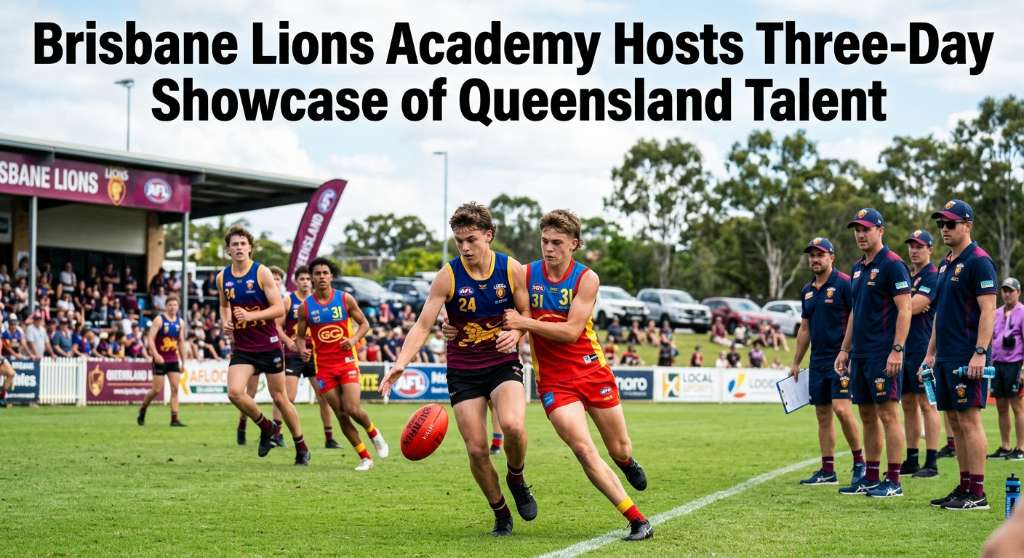
Queensland's emerging football prospects are coming together for a three-day Brisbane Lions State Academy showcase, giving young players an opportunity...
Twenty leading NPL Queensland players have been selected for two upcoming matches against Brisbane Roar as part of the 2026 Mitre Festival of Football.
Queensland's emerging football prospects are coming together for a three-day Brisbane Lions State Academy showcase, giving young players an opportunity...
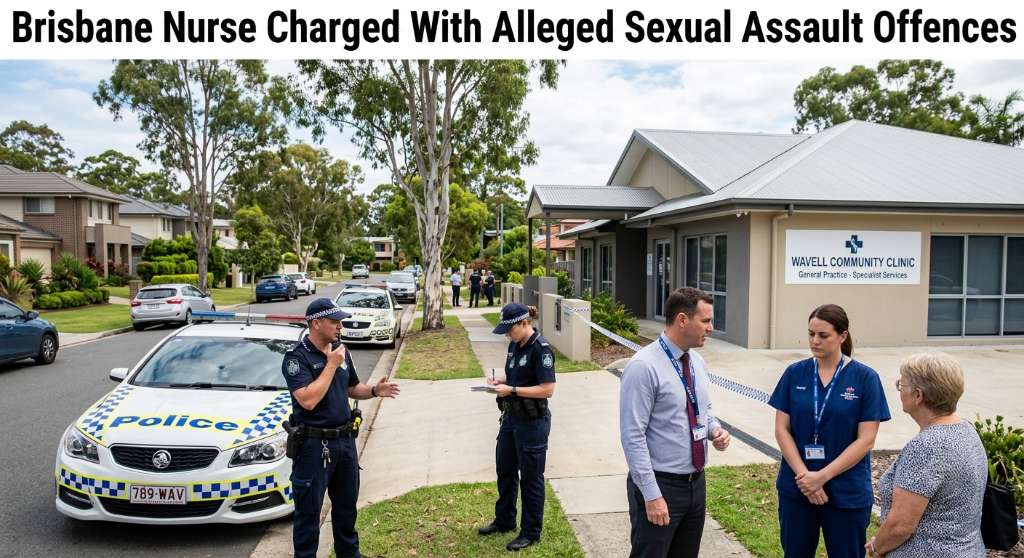
A Wavell Heights enrolled nurse has been charged with four counts of alleged sexual assault and one count of wilful exposure, with his professional regi...
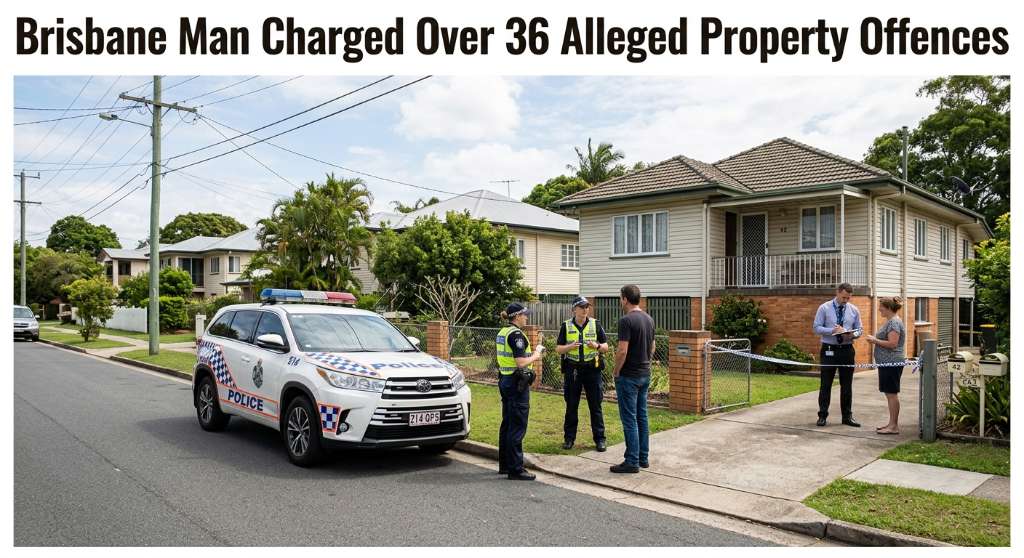
A 24-year-old Carina Heights man has been charged with 36 offences following an investigation into alleged break-ins, vehicle offences and other propert...
Cairns Regional Council has unanimously voted to seek $400,000 in Queensland Government funding for a program designed to connect local businesses with the region’s growing film...
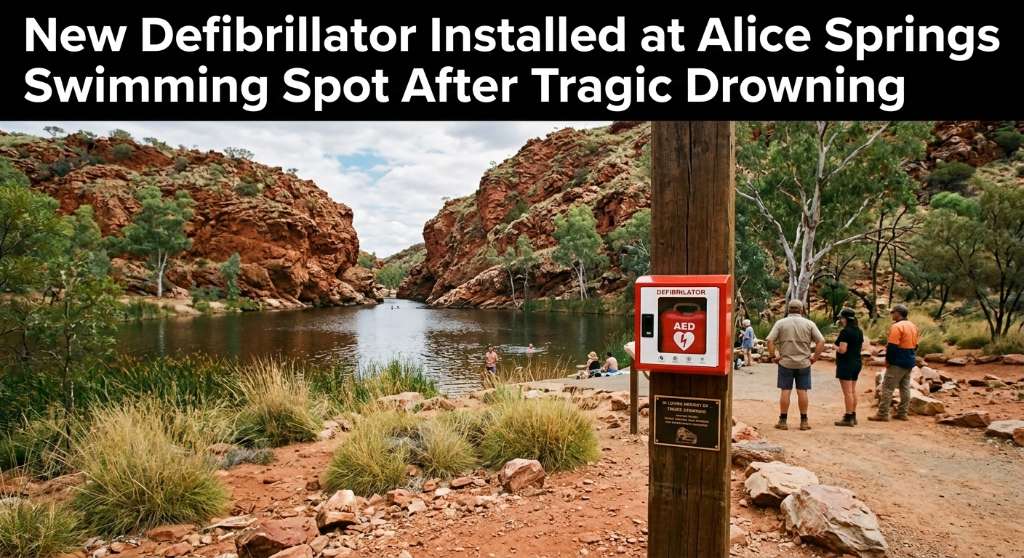
An automated external defibrillator and memorial plaque have been installed at Ellery Creek Big Hole following the death of disability advocate Ellen Fr...
Queensland firefighters spent several hours monitoring a significant grass fire at Mary Kinross Park in Bargara, near Bundaberg, after the blaze broke out on Wednesday evening....