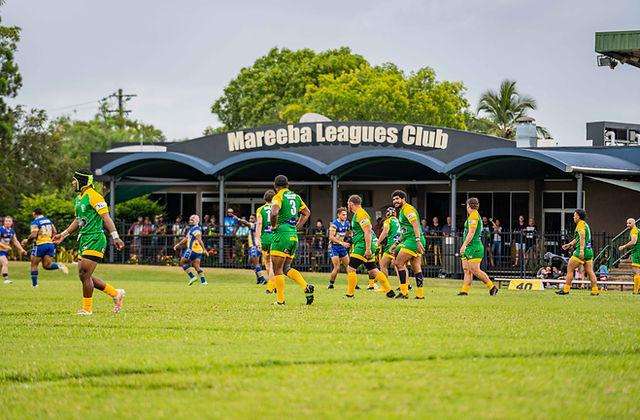
FNQ Rugby League power rankings reveal biggest movers ahead of finals race
By Neha Maurya · Published 25 Jun 2026 · Updated 25 Jun 2026
Cairns, Queensland · Queensland News
Safety note: Admin approval is an initial review, not a guarantee that every detail is correct. Check important or urgent claims with official sources and report anything inaccurate or unsafe.
Source and credit: Contributor's own report
FNQ Rugby League power rankings reveal biggest movers ahead of finals race - Cairns, Queensland
Smart summary
Far North Queensland Rugby League teams have experienced significant rises and falls in the latest monthly power rankings, with several clubs strengthening their
The latest Far North Queensland (FNQ) Rugby League power rankings have highlighted major shifts across the competition as clubs battle for position during a crucial stage of the season. With finals approaching, recent performances have reshaped perceptions of which teams are genuine title contenders and which sides face an uphill battle in the race for postseason success.
Power rankings are designed to assess current form rather than overall ladder position, meaning teams that have produced strong recent performances can climb rapidly, while previously dominant clubs may slide after a series of disappointing results. The updated rankings reflect several weeks of competition and provide a snapshot of momentum across the league.
A number of clubs have emerged as the competition's biggest movers after recording impressive victories against highly rated opponents. Consistent attacking performances, defensive improvements and strong squad depth have allowed these teams to build confidence and attract attention from analysts and supporters alike.
Several traditional powerhouses remain near the top of the rankings, continuing to demonstrate why they are considered serious premiership threats. Their ability to win close matches, manage injuries and perform under pressure has reinforced expectations that they will remain among the leading contenders throughout the remainder of the season.
At the same time, some clubs have experienced notable declines. Injuries to key players, inconsistent form and defensive vulnerabilities have contributed to drops in the rankings. Coaches and players within those organisations will be hoping to reverse recent trends before the competition reaches its most important stage.
The rankings also recognise the emergence of several younger players who have made significant contributions to their teams' recent success. Across the FNQ competition, developing local talent remains a key priority, with many clubs relying on home-grown players to complement experienced campaigners.
Competition officials and observers have noted that the league remains highly competitive, with relatively small margins separating many teams. This balance has produced unpredictable results throughout the season and ensured that weekly fixtures continue to have major implications for the standings.
Supporters have responded enthusiastically to the ongoing battle for supremacy, with local rugby league remaining one of the most popular sporting competitions in Far North Queensland. Strong community backing, local rivalries and passionate fan bases continue to contribute to the league's appeal.
Analysts suggest that momentum could play a decisive role during the final weeks of the season. Teams currently climbing the rankings may enter the finals with confidence and belief, while sides experiencing form slumps will be eager to rediscover consistency before knockout matches begin.
The updated rankings also serve as a reminder that competition standings can change quickly. A strong run of victories can dramatically improve a club's outlook, while a series of losses can quickly place pressure on players and coaching staff.
With several rounds still remaining, clubs have opportunities to strengthen their positions and build form heading into the finals. Coaches are expected to focus heavily on squad management, injury prevention and tactical preparation as the intensity of the competition increases.
As the season progresses, the FNQ Rugby League power rankings will continue to provide a useful measure of current form and momentum. Whether the biggest movers can maintain their rise or established contenders can reassert their dominance remains one of the key storylines for rugby league fans across the region.
RankingsCompetitionLeagueClubsTeams
The latest Far North Queensland (FNQ) Rugby League power rankings have highlighted major shifts across the competition as clubs battle for position during a crucial stage of the season. With finals approaching, recent performances have reshaped perceptions of which teams are genuine title contenders and which sides face an uphill battle in the race for postseason success.
Power rankings are designed to assess current form rather than overall ladder position, meaning teams that have produced strong recent performances can climb rapidly, while previously dominant clubs may slide after a series of disappointing results. The updated rankings reflect several weeks of competition and provide a snapshot of momentum across the league.
A number of clubs have emerged as the competition's biggest movers after recording impressive victories against highly rated opponents. Consistent attacking performances, defensive improvements and strong squad depth have allowed these teams to build confidence and attract attention from analysts and supporters alike.
Several traditional powerhouses remain near the top of the rankings, continuing to demonstrate why they are considered serious premiership threats. Their ability to win close matches, manage injuries and perform under pressure has reinforced expectations that they will remain among the leading contenders throughout the remainder of the season.
At the same time, some clubs have experienced notable declines. Injuries to key players, inconsistent form and defensive vulnerabilities have contributed to drops in the rankings. Coaches and players within those organisations will be hoping to reverse recent trends before the competition reaches its most important stage.
The rankings also recognise the emergence of several younger players who have made significant contributions to their teams' recent success. Across the FNQ competition, developing local talent remains a key priority, with many clubs relying on home-grown players to complement experienced campaigners.
Competition officials and observers have noted that the league remains highly competitive, with relatively small margins separating many teams. This balance has produced unpredictable results throughout the season and ensured that weekly fixtures continue to have major implications for the standings.
Supporters have responded enthusiastically to the ongoing battle for supremacy, with local rugby league remaining one of the most popular sporting competitions in Far North Queensland. Strong community backing, local rivalries and passionate fan bases continue to contribute to the league's appeal.
Analysts suggest that momentum could play a decisive role during the final weeks of the season. Teams currently climbing the rankings may enter the finals with confidence and belief, while sides experiencing form slumps will be eager to rediscover consistency before knockout matches begin.
The updated rankings also serve as a reminder that competition standings can change quickly. A strong run of victories can dramatically improve a club's outlook, while a series of losses can quickly place pressure on players and coaching staff.
With several rounds still remaining, clubs have opportunities to strengthen their positions and build form heading into the finals. Coaches are expected to focus heavily on squad management, injury prevention and tactical preparation as the intensity of the competition increases.
As the season progresses, the FNQ Rugby League power rankings will continue to provide a useful measure of current form and momentum. Whether the biggest movers can maintain their rise or established contenders can reassert their dominance remains one of the key storylines for rugby league fans across the region.
Wet conditions at the Melbourne Cricket Ground are creating difficult conditions for the AFL Grand Final, while poor weather has also disrupted flights...
Australian cyclist Sarah Gigante is back racing internationally after more than a year away from competition and will lead a four-rider Australian team...
Adam Scott and Min Woo Lee played key roles as the International team produced a clean sweep against the United States in the second-day foursomes at th...
Australian tennis player Talia Gibson has reached her first WTA Tour-level singles final at the Singapore Open after Tatiana Prozorova withdrew from the...
A 50-year-old man has died after being struck by a vehicle in Fernvale, west of Brisbane, with police launching a homicide investigation and arresting a...
Amateur astronomers are using new telescope technology to photograph the Moon, planets and distant galaxies from Brisbane homes, showing that city skies...
Severe weather in Melbourne has caused flight disruptions from Brisbane, with at least one flight cancelled and other services delayed as passengers tra...
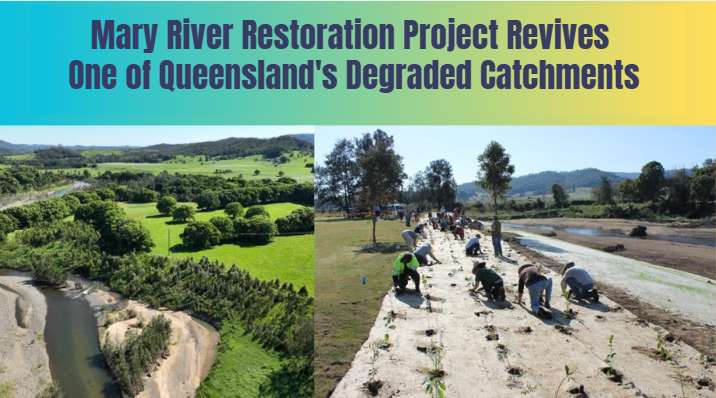
A long-running community restoration effort along Queensland's Mary River is reducing erosion, improving water quality and helping restore habitat for n...
A Sydney patient says he spent 23 hours waiting on a chair at Westmead Hospital's emergency department, while new figures show continuing pressure on th...
Three people, including a 14-year-old girl, have died following a multi-vehicle collision on the Western Highway near Ledcourt in Victoria's north-west.
A 50-year-old man has died after being struck by a vehicle in Fernvale, west of Brisbane, with police launching a homicide investigation and arresting a...
Multiple Rural Fire Service trucks were damaged after a planned hazard reduction burn at Wedderburn in Sydney's south-west escaped containment on Saturday.