Safety note: Admin approval is an initial review, not a guarantee that every detail is correct. Check important or urgent claims with official sources and report anything inaccurate or unsafe.
Source and credit: Contributor's own report
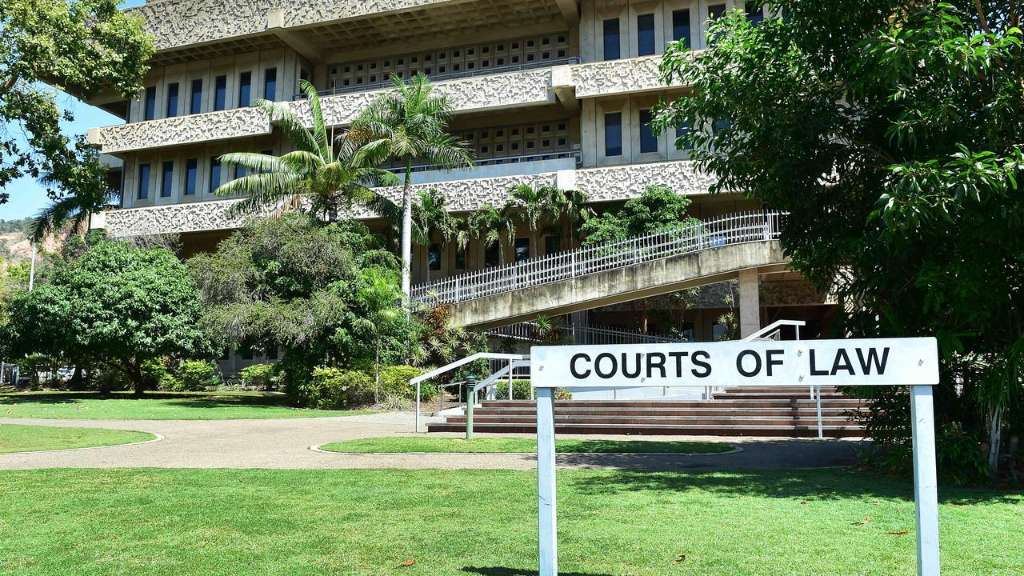
Former Soldier Walks Free From Townsville Supreme Court After Drug Trafficking Sentence - Townsville, QLD
Smart summary
Former Australian Defence Force soldier Brett McMaster avoided immediate jail after being sentenced for cocaine trafficking offences, with the court prioritising rehabilitation despite the seriousness of the crime.
A former Australian soldier has walked free from the Townsville Supreme Court after receiving a suspended prison sentence for trafficking cocaine. Brett McMaster, a former infantry soldier and field medic, was sentenced after pleading guilty to drug trafficking offences involving the supply of cocaine in North Queensland.
The court heard that McMaster was involved in a cocaine supply operation over a number of weeks. Prosecutors argued that the operation was organised and involved the sourcing and distribution of cocaine, including sales to other people. The prosecution highlighted the seriousness of trafficking offences and the impact illegal drugs can have on communities.
McMaster’s defence team argued that he had taken steps towards rehabilitation and had no previous criminal history. They told the court that his circumstances had changed significantly and that he had shown a commitment to improving his life after leaving the military.
Justice Christopher Johnstone criticised McMaster’s actions, particularly because of his background as a former member of the Australian Defence Force. The judge said using his position and experience in a way connected to organised drug activity was a serious matter. However, the court also considered factors including rehabilitation prospects and the absence of a prior criminal record.
McMaster was sentenced to four years in prison, but the sentence was fully suspended for five years, meaning he will not serve time behind bars unless he breaches the conditions of the order. He was also fined $10,000.
The case has attracted attention because of the contrast between the seriousness of drug trafficking offences and the decision to allow the former soldier to remain in the community. Courts often consider multiple factors when sentencing, including the nature of the offence, the offender’s history, accountability, rehabilitation efforts and the risk of future offending.
Drug trafficking remains a major focus for law enforcement agencies across Queensland. Police continue investigations targeting organised drug networks and individuals involved in supplying dangerous substances. Previous operations in Townsville have resulted in arrests, drug seizures and weapons investigations connected to alleged trafficking networks.
Authorities have repeatedly warned that drug trafficking contributes to significant harm in communities and can be linked to wider criminal activity. Police and courts continue working to address the supply of illegal drugs while balancing legal principles during sentencing.
The Townsville Supreme Court decision highlights the complexity of criminal cases, where judges must consider both punishment and the possibility of rehabilitation. While the court recognised the seriousness of McMaster’s actions, it determined that a suspended sentence provided an opportunity for him to rebuild his life while remaining under legal conditions.
DrugTraffickingCourtMcmasterFormer
A former Australian soldier has walked free from the Townsville Supreme Court after receiving a suspended prison sentence for trafficking cocaine. Brett McMaster, a former infantry soldier and field medic, was sentenced after pleading guilty to drug trafficking offences involving the supply of cocaine in North Queensland.
The court heard that McMaster was involved in a cocaine supply operation over a number of weeks. Prosecutors argued that the operation was organised and involved the sourcing and distribution of cocaine, including sales to other people. The prosecution highlighted the seriousness of trafficking offences and the impact illegal drugs can have on communities.
McMaster’s defence team argued that he had taken steps towards rehabilitation and had no previous criminal history. They told the court that his circumstances had changed significantly and that he had shown a commitment to improving his life after leaving the military.
Justice Christopher Johnstone criticised McMaster’s actions, particularly because of his background as a former member of the Australian Defence Force. The judge said using his position and experience in a way connected to organised drug activity was a serious matter. However, the court also considered factors including rehabilitation prospects and the absence of a prior criminal record.
McMaster was sentenced to four years in prison, but the sentence was fully suspended for five years, meaning he will not serve time behind bars unless he breaches the conditions of the order. He was also fined $10,000.
The case has attracted attention because of the contrast between the seriousness of drug trafficking offences and the decision to allow the former soldier to remain in the community. Courts often consider multiple factors when sentencing, including the nature of the offence, the offender’s history, accountability, rehabilitation efforts and the risk of future offending.
Drug trafficking remains a major focus for law enforcement agencies across Queensland. Police continue investigations targeting organised drug networks and individuals involved in supplying dangerous substances. Previous operations in Townsville have resulted in arrests, drug seizures and weapons investigations connected to alleged trafficking networks.
Authorities have repeatedly warned that drug trafficking contributes to significant harm in communities and can be linked to wider criminal activity. Police and courts continue working to address the supply of illegal drugs while balancing legal principles during sentencing.
The Townsville Supreme Court decision highlights the complexity of criminal cases, where judges must consider both punishment and the possibility of rehabilitation. While the court recognised the seriousness of McMaster’s actions, it determined that a suspended sentence provided an opportunity for him to rebuild his life while remaining under legal conditions.
A 21-year-old Bendigo man, Adrian Turnbull, has been sentenced to a maximum of four years and eight months in prison after pleading guilty to a series of offences committed acro...
Wagga Wagga New South Wales · Crime News · 17 Sep 2026
Riverina Police have established a specialised task force in Wagga Wagga to investigate a series of aggravated break-and-enter offences, home invasions and firearm-related incid...
Five-Year Sentence for Albury Police Siege A 36-year-old man, Stephen Bates, has been sentenced to five years in prison following a serious confrontation with police in Lavingto...
A 36-year-old man has been charged after investigators allegedly found fraudulent identification documents, cloned number plates, cash and drug-manufact...
Queensland's emerging football prospects are coming together for a three-day Brisbane Lions State Academy showcase, giving young players an opportunity...
A Wavell Heights enrolled nurse has been charged with four counts of alleged sexual assault and one count of wilful exposure, with his professional regi...
A 24-year-old Carina Heights man has been charged with 36 offences following an investigation into alleged break-ins, vehicle offences and other propert...
Cairns Regional Council has unanimously voted to seek $400,000 in Queensland Government funding for a program designed to connect local businesses with the region’s growing film...
An automated external defibrillator and memorial plaque have been installed at Ellery Creek Big Hole following the death of disability advocate Ellen Fr...
Queensland firefighters spent several hours monitoring a significant grass fire at Mary Kinross Park in Bargara, near Bundaberg, after the blaze broke out on Wednesday evening....