Safety note: Admin approval is an initial review, not a guarantee that every detail is correct. Check important or urgent claims with official sources and report anything inaccurate or unsafe.
Source and credit: Contributor's own report
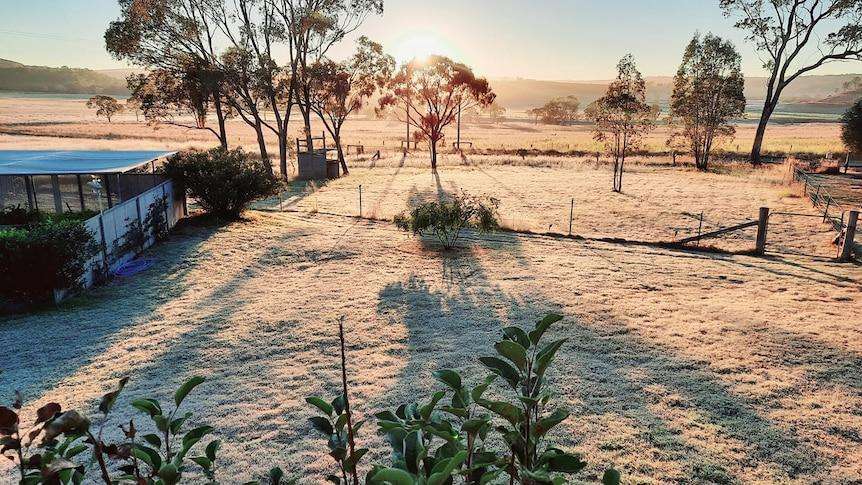
Frost warning issued for southern and central Queensland as temperatures plunge - Townsville, QLD
Smart summary
Farmers and residents across southern and central Queensland are preparing for another cold morning as frost conditions are forecast across inland areas, with temperatures expected to fall close to freezing in some re...
A cold winter blast is set to bring widespread frost conditions across parts of southern and central Queensland, with farmers warned to prepare for potentially damaging low temperatures affecting crops, livestock and rural properties.
The Bureau of Meteorology has forecast areas of morning frost across inland Queensland, particularly across regions including the Darling Downs, Granite Belt, Carnarvon area and parts of Central Queensland. Clear skies, light winds and cold air moving across the state are contributing to conditions that allow overnight temperatures to drop sharply.
Rural communities are expected to feel the impact most strongly, with farmers monitoring conditions closely to protect vulnerable crops and livestock. Frost can create challenges for agricultural producers by damaging sensitive plants, slowing growth and affecting seasonal harvests.
The cold conditions follow a period of unusually low temperatures across parts of Queensland. Several inland locations recently recorded temperatures well below average, with some areas experiencing their coldest mornings in years. Oakey Airport recorded temperatures below minus five degrees Celsius, while other regional areas including Dalby, Miles and Warwick also experienced severe cold.
The Granite Belt, known for its apple, grape and stone fruit industries, is one of the areas where growers pay close attention to frost forecasts. While some crops can benefit from colder winter conditions, sudden or severe frosts can create risks depending on the crop stage and temperature duration.
In central Queensland, communities around areas such as the Central Highlands and Coalfields have also been warned about morning frost conditions. Forecasts indicate overnight temperatures could fall into single digits, with some inland areas approaching near-zero conditions before daytime temperatures recover.
Residents are being encouraged to take precautions during the cold weather, including protecting outdoor plants, checking heating equipment and ensuring pets and vulnerable people remain warm overnight.
For livestock owners, cold mornings can increase stress on animals, particularly young or vulnerable stock. Farmers often use shelter, additional feed and careful monitoring to reduce the effects of extreme temperature changes.
Meteorologists say the frost conditions are linked to a combination of clear skies and cold air moving over Queensland. However, temperatures are expected to gradually rise during the day, with many affected regions returning to mild winter daytime conditions.
The cold snap highlights the importance of accurate weather forecasting for Queensland’s agricultural sector, where farmers rely on early warnings to make decisions about crop protection, irrigation and livestock management.
While frost is a normal part of Queensland’s winter climate, the intensity of recent cold mornings has attracted attention from rural communities experiencing unusually chilly conditions.
Authorities and weather officials will continue monitoring temperatures as the cold system moves through the state, with further updates expected for affected regions.
ColdConditionsTemperaturesQueenslandFrost
A cold winter blast is set to bring widespread frost conditions across parts of southern and central Queensland, with farmers warned to prepare for potentially damaging low temperatures affecting crops, livestock and rural properties.
The Bureau of Meteorology has forecast areas of morning frost across inland Queensland, particularly across regions including the Darling Downs, Granite Belt, Carnarvon area and parts of Central Queensland. Clear skies, light winds and cold air moving across the state are contributing to conditions that allow overnight temperatures to drop sharply.
Rural communities are expected to feel the impact most strongly, with farmers monitoring conditions closely to protect vulnerable crops and livestock. Frost can create challenges for agricultural producers by damaging sensitive plants, slowing growth and affecting seasonal harvests.
The cold conditions follow a period of unusually low temperatures across parts of Queensland. Several inland locations recently recorded temperatures well below average, with some areas experiencing their coldest mornings in years. Oakey Airport recorded temperatures below minus five degrees Celsius, while other regional areas including Dalby, Miles and Warwick also experienced severe cold.
The Granite Belt, known for its apple, grape and stone fruit industries, is one of the areas where growers pay close attention to frost forecasts. While some crops can benefit from colder winter conditions, sudden or severe frosts can create risks depending on the crop stage and temperature duration.
In central Queensland, communities around areas such as the Central Highlands and Coalfields have also been warned about morning frost conditions. Forecasts indicate overnight temperatures could fall into single digits, with some inland areas approaching near-zero conditions before daytime temperatures recover.
Residents are being encouraged to take precautions during the cold weather, including protecting outdoor plants, checking heating equipment and ensuring pets and vulnerable people remain warm overnight.
For livestock owners, cold mornings can increase stress on animals, particularly young or vulnerable stock. Farmers often use shelter, additional feed and careful monitoring to reduce the effects of extreme temperature changes.
Meteorologists say the frost conditions are linked to a combination of clear skies and cold air moving over Queensland. However, temperatures are expected to gradually rise during the day, with many affected regions returning to mild winter daytime conditions.
The cold snap highlights the importance of accurate weather forecasting for Queensland’s agricultural sector, where farmers rely on early warnings to make decisions about crop protection, irrigation and livestock management.
While frost is a normal part of Queensland’s winter climate, the intensity of recent cold mornings has attracted attention from rural communities experiencing unusually chilly conditions.
Authorities and weather officials will continue monitoring temperatures as the cold system moves through the state, with further updates expected for affected regions.
A 21-year-old Bendigo man, Adrian Turnbull, has been sentenced to a maximum of four years and eight months in prison after pleading guilty to a series of offences committed acro...
Wagga Wagga New South Wales · Crime News · 17 Sep 2026
Riverina Police have established a specialised task force in Wagga Wagga to investigate a series of aggravated break-and-enter offences, home invasions and firearm-related incid...
Five-Year Sentence for Albury Police Siege A 36-year-old man, Stephen Bates, has been sentenced to five years in prison following a serious confrontation with police in Lavingto...
A 36-year-old man has been charged after investigators allegedly found fraudulent identification documents, cloned number plates, cash and drug-manufact...
Queensland's emerging football prospects are coming together for a three-day Brisbane Lions State Academy showcase, giving young players an opportunity...
A Wavell Heights enrolled nurse has been charged with four counts of alleged sexual assault and one count of wilful exposure, with his professional regi...
A 24-year-old Carina Heights man has been charged with 36 offences following an investigation into alleged break-ins, vehicle offences and other propert...
Cairns Regional Council has unanimously voted to seek $400,000 in Queensland Government funding for a program designed to connect local businesses with the region’s growing film...
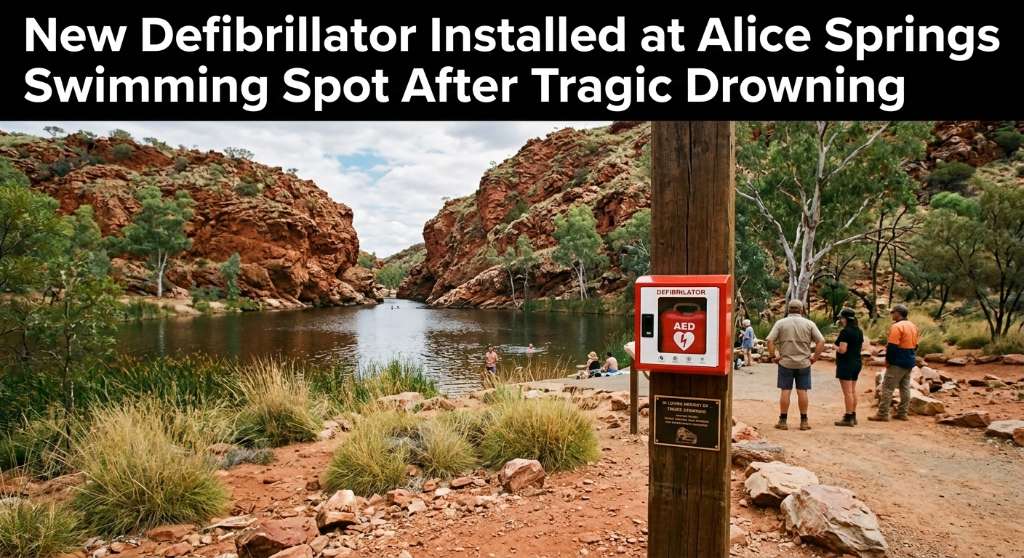
An automated external defibrillator and memorial plaque have been installed at Ellery Creek Big Hole following the death of disability advocate Ellen Fr...
Queensland firefighters spent several hours monitoring a significant grass fire at Mary Kinross Park in Bargara, near Bundaberg, after the blaze broke out on Wednesday evening....