Albany, Western Australia · Western Australia News
Safety note: Admin approval is an initial review, not a guarantee that every detail is correct. Check important or urgent claims with official sources and report anything inaccurate or unsafe.
Source and credit: Contributor's own report
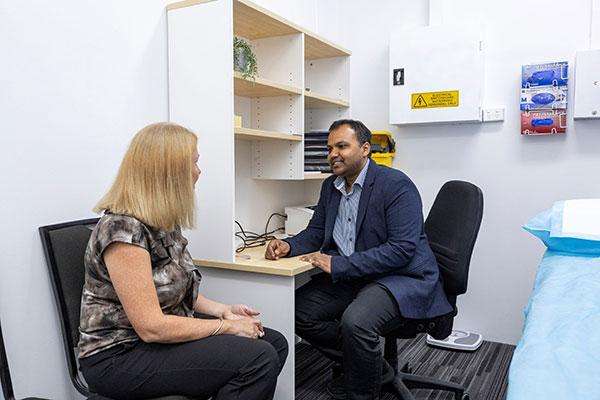
Great Southern remains WA’s strongest region for retaining doctors long term - Albany, Western Australia
Smart summary
New data from Rural Health West shows Western Australia’s Great Southern region continues to outperform all other regional areas in attracting and retaining doctors, strengthening access to healthcare services for loc...
The Great Southern region of Western Australia has once again been identified as the state's leading regional area for retaining doctors over the long term, according to new figures released by Rural Health West.
The data highlights the region's success in attracting medical professionals and encouraging them to remain in rural practice for extended periods, a challenge that continues to affect many regional and remote communities across Australia. Retaining doctors is considered one of the most important factors in ensuring reliable access to healthcare services, reducing workforce shortages and improving health outcomes.
According to Rural Health West, the Great Southern consistently records stronger doctor retention rates than other regional parts of Western Australia. The findings suggest that medical practitioners who relocate to the area are more likely to establish long-term careers and become integrated into local communities.
Healthcare workforce shortages remain a major concern throughout regional Australia. Many rural towns struggle to attract general practitioners, specialists and other healthcare professionals due to workforce competition, professional isolation and limited service availability. As a result, regions that successfully retain doctors are often viewed as models for broader workforce planning.
The Great Southern's success has been attributed to several factors, including strong community connections, professional support networks, quality healthcare facilities and lifestyle benefits. Medical practitioners often cite work-life balance, affordable housing and access to natural attractions as important reasons for remaining in the region.
The area encompasses a number of significant regional centres and smaller rural communities that rely heavily on stable healthcare services. Long-term doctor retention helps reduce disruptions to patient care and enables stronger relationships between healthcare providers and residents.
Healthcare experts note that continuity of care is particularly important in regional communities, where patients may rely on a small number of practitioners for ongoing treatment and chronic disease management. Doctors who remain in a community for many years can develop a deeper understanding of local health needs and population challenges.
The findings come amid ongoing national efforts to strengthen the rural medical workforce. Governments and healthcare organisations continue to invest in training pathways, incentive programs and professional development opportunities aimed at encouraging doctors to practise outside metropolitan areas.
Regional communities throughout the Great Southern have welcomed the positive results, viewing them as evidence that local healthcare strategies are delivering tangible benefits. Community leaders say strong healthcare services play a critical role in attracting families, supporting economic development and improving overall quality of life.
The Great Southern region is known for its combination of coastal and agricultural communities, offering a lifestyle that appeals to many professionals seeking alternatives to major cities. Access to outdoor recreation, lower living costs and strong community engagement are often cited as advantages.
While challenges remain in some specialist medical fields, the latest data suggests the region is well positioned compared with many other parts of regional Western Australia. Health workforce planners hope lessons learned from the Great Southern's success can be applied elsewhere to improve recruitment and retention outcomes.
As healthcare demand continues to grow, maintaining a stable and experienced medical workforce will remain a priority. The latest figures reinforce the Great Southern's reputation as one of Western Australia's most successful regions for supporting doctors and delivering sustainable healthcare services.
HealthcareGreatRegionalSouthernDoctors
The Great Southern region of Western Australia has once again been identified as the state's leading regional area for retaining doctors over the long term, according to new figures released by Rural Health West.
The data highlights the region's success in attracting medical professionals and encouraging them to remain in rural practice for extended periods, a challenge that continues to affect many regional and remote communities across Australia. Retaining doctors is considered one of the most important factors in ensuring reliable access to healthcare services, reducing workforce shortages and improving health outcomes.
According to Rural Health West, the Great Southern consistently records stronger doctor retention rates than other regional parts of Western Australia. The findings suggest that medical practitioners who relocate to the area are more likely to establish long-term careers and become integrated into local communities.
Healthcare workforce shortages remain a major concern throughout regional Australia. Many rural towns struggle to attract general practitioners, specialists and other healthcare professionals due to workforce competition, professional isolation and limited service availability. As a result, regions that successfully retain doctors are often viewed as models for broader workforce planning.
The Great Southern's success has been attributed to several factors, including strong community connections, professional support networks, quality healthcare facilities and lifestyle benefits. Medical practitioners often cite work-life balance, affordable housing and access to natural attractions as important reasons for remaining in the region.
The area encompasses a number of significant regional centres and smaller rural communities that rely heavily on stable healthcare services. Long-term doctor retention helps reduce disruptions to patient care and enables stronger relationships between healthcare providers and residents.
Healthcare experts note that continuity of care is particularly important in regional communities, where patients may rely on a small number of practitioners for ongoing treatment and chronic disease management. Doctors who remain in a community for many years can develop a deeper understanding of local health needs and population challenges.
The findings come amid ongoing national efforts to strengthen the rural medical workforce. Governments and healthcare organisations continue to invest in training pathways, incentive programs and professional development opportunities aimed at encouraging doctors to practise outside metropolitan areas.
Regional communities throughout the Great Southern have welcomed the positive results, viewing them as evidence that local healthcare strategies are delivering tangible benefits. Community leaders say strong healthcare services play a critical role in attracting families, supporting economic development and improving overall quality of life.
The Great Southern region is known for its combination of coastal and agricultural communities, offering a lifestyle that appeals to many professionals seeking alternatives to major cities. Access to outdoor recreation, lower living costs and strong community engagement are often cited as advantages.
While challenges remain in some specialist medical fields, the latest data suggests the region is well positioned compared with many other parts of regional Western Australia. Health workforce planners hope lessons learned from the Great Southern's success can be applied elsewhere to improve recruitment and retention outcomes.
As healthcare demand continues to grow, maintaining a stable and experienced medical workforce will remain a priority. The latest figures reinforce the Great Southern's reputation as one of Western Australia's most successful regions for supporting doctors and delivering sustainable healthcare services.
A four-metre-high 3D-printed sculpture celebrating Australian children's author Andy Griffiths has gone on display at Canberra's National Portrait Gallery.
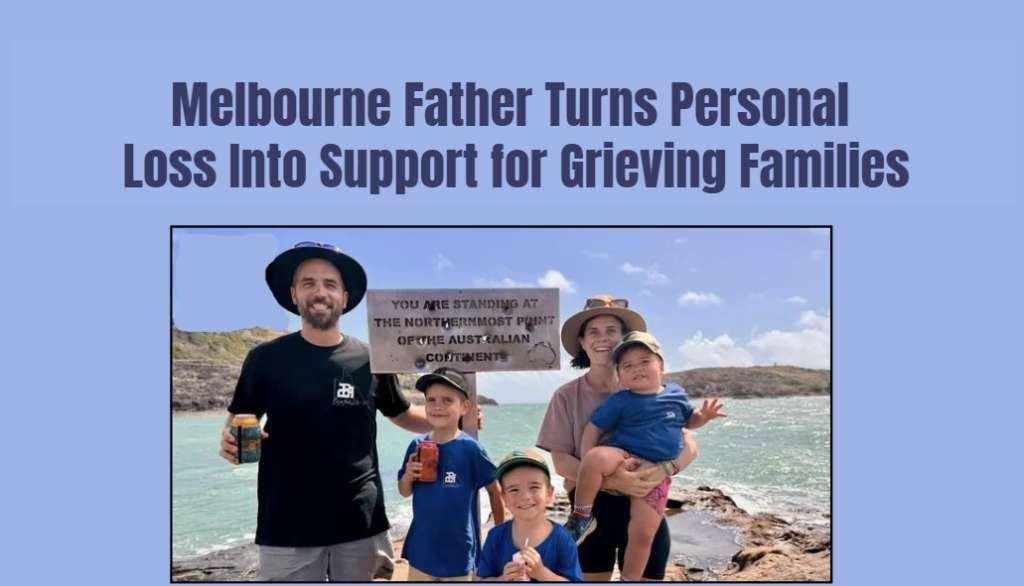
After losing two sons, Melbourne father Nick Olney has established a charity helping grieving parents preserve memories of their babies and access suppo...
A fire damaged the Moama Football and Netball Club's social rooms during Saturday's grand final, forcing about 1,000 people to leave the building becaus...
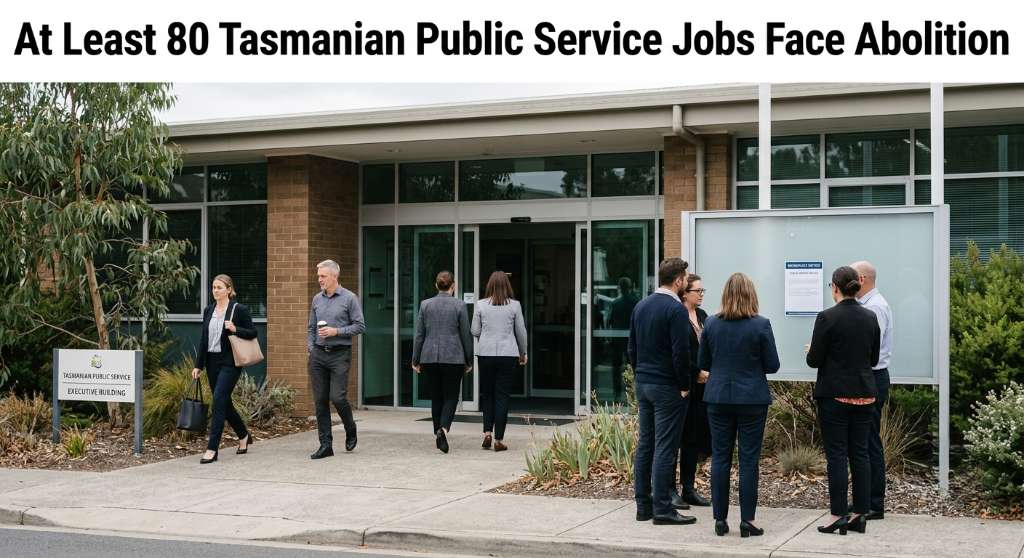
At least 80 positions have been identified for abolition as Tasmania restructures parts of its public service and works toward a broader reduction in go...
Australian tennis player Talia Gibson has reached her first WTA Tour-level singles final at the Singapore Open after Tatiana Prozorova withdrew from the...
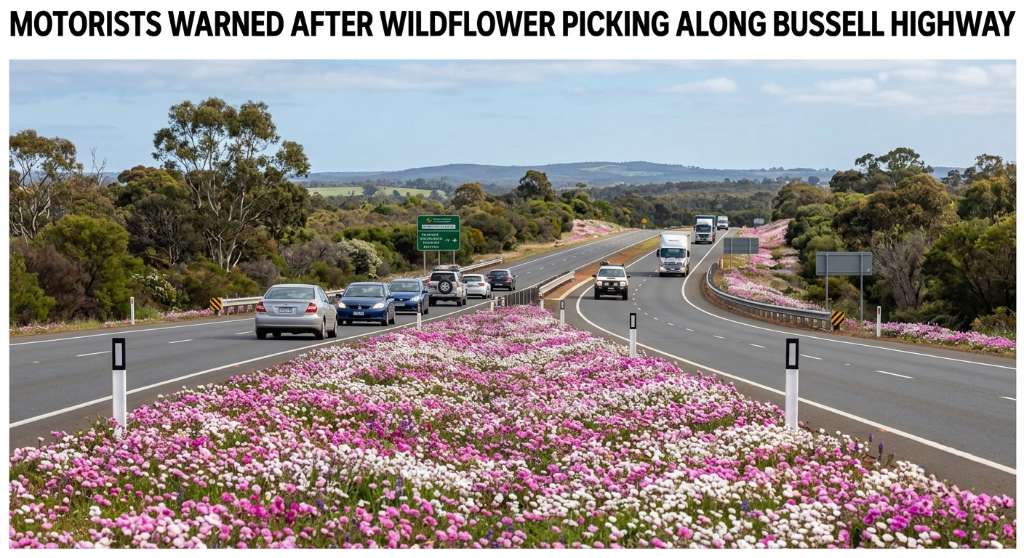
Drivers stopping to pick or photograph colourful everlasting wildflowers along Western Australia’s Bussell Highway are being warned about serious road-s...
Three separate earthquakes were recorded near Port Hedland in Western Australia over the weekend, with more than 100 reports submitted to Geoscience Aus...
A growing number of young Australians are taking up birdwatching, bringing fresh interest to the Broome Bird Observatory and the migratory shorebirds of...
A 50-year-old man has died after being struck by a vehicle in Fernvale, west of Brisbane, with police launching a homicide investigation and arresting a...
Multiple Rural Fire Service trucks were damaged after a planned hazard reduction burn at Wedderburn in Sydney's south-west escaped containment on Saturday.
Wet conditions at the Melbourne Cricket Ground are creating difficult conditions for the AFL Grand Final, while poor weather has also disrupted flights...
Amateur astronomers are using new telescope technology to photograph the Moon, planets and distant galaxies from Brisbane homes, showing that city skies...