Grovedale grandmother with punctured lung left waiting hours for ambulance
By Neha · Published 24 Jun 2026 · Updated 24 Jun 2026
Geelong, VIC · Victoria News
Safety note: Admin approval is an initial review, not a guarantee that every detail is correct. Check important or urgent claims with official sources and report anything inaccurate or unsafe.
Source and credit: Contributor's own report
Grovedale grandmother with punctured lung left waiting hours for ambulance - Geelong, VIC
Smart summary
A Grovedale grandmother suffered severe pain and breathing difficulties after a serious fall and reportedly waited more than two hours for an ambulance, reigniting concerns about ambulance response times in regional V...
A grandmother from Grovedale, near Geelong, has spoken about the ordeal she endured after suffering a punctured lung and other injuries during a fall, only to face a lengthy wait for emergency medical assistance. The incident has drawn attention to ongoing concerns regarding ambulance demand and response times across parts of Victoria.
The woman was seriously injured after a fall at her home and quickly began experiencing significant pain and difficulty breathing. Family members recognised the seriousness of the situation and contacted emergency services, expecting a prompt medical response given the symptoms associated with potential chest trauma.
However, according to reports, the family waited approximately two and a half hours before an ambulance arrived. During that period, the injured woman remained in considerable discomfort while relatives attempted to keep her stable and monitor her condition. The delay reportedly left the family distressed and concerned that her injuries could worsen before professional medical assistance became available.
When paramedics eventually arrived, the woman was assessed and transported for further treatment. Medical examinations later confirmed she had suffered a punctured lung, a potentially serious condition that can interfere with normal breathing and, in severe cases, become life-threatening if not properly treated. Additional injuries associated with the fall were also identified during her hospital assessment.
The case has added to broader community discussion about ambulance availability and emergency response performance in Victoria. Ambulance services across Australia have faced increasing demand in recent years due to population growth, an ageing population, rising healthcare needs, and increased pressure on hospital emergency departments. These factors can contribute to longer response times, particularly during periods of high demand.
Health experts note that ambulance dispatch systems prioritise patients according to the severity of their condition and available resources. While life-threatening emergencies receive the highest priority, surges in demand can create challenges for emergency services attempting to respond rapidly across large geographic areas.
The woman's family said the experience was frightening and highlighted the vulnerability of older Australians who rely on timely emergency medical care following accidents or sudden health events. They expressed concern that others with similar injuries could face serious consequences if forced to wait extended periods for treatment.
Emergency healthcare advocates argue that cases involving significant trauma, breathing difficulties, or suspected chest injuries demonstrate the importance of maintaining adequate ambulance resources and hospital capacity. They say ongoing investment in emergency services is necessary to meet growing community expectations and healthcare needs.
The incident has also renewed debate about broader healthcare system pressures, including ambulance ramping, workforce shortages, and emergency department congestion. Health authorities continue to work on strategies designed to improve patient flow and reduce delays throughout the emergency care system.
For the Grovedale grandmother, the priority now is recovery from her injuries. While she ultimately received the treatment she needed, her experience has become another example cited by community members calling for improvements in emergency response capabilities and healthcare accessibility across regional Victoria.
EmergencyAmbulanceInjuriesHealthcareMedical
A grandmother from Grovedale, near Geelong, has spoken about the ordeal she endured after suffering a punctured lung and other injuries during a fall, only to face a lengthy wait for emergency medical assistance. The incident has drawn attention to ongoing concerns regarding ambulance demand and response times across parts of Victoria.
The woman was seriously injured after a fall at her home and quickly began experiencing significant pain and difficulty breathing. Family members recognised the seriousness of the situation and contacted emergency services, expecting a prompt medical response given the symptoms associated with potential chest trauma.
However, according to reports, the family waited approximately two and a half hours before an ambulance arrived. During that period, the injured woman remained in considerable discomfort while relatives attempted to keep her stable and monitor her condition. The delay reportedly left the family distressed and concerned that her injuries could worsen before professional medical assistance became available.
When paramedics eventually arrived, the woman was assessed and transported for further treatment. Medical examinations later confirmed she had suffered a punctured lung, a potentially serious condition that can interfere with normal breathing and, in severe cases, become life-threatening if not properly treated. Additional injuries associated with the fall were also identified during her hospital assessment.
The case has added to broader community discussion about ambulance availability and emergency response performance in Victoria. Ambulance services across Australia have faced increasing demand in recent years due to population growth, an ageing population, rising healthcare needs, and increased pressure on hospital emergency departments. These factors can contribute to longer response times, particularly during periods of high demand.
Health experts note that ambulance dispatch systems prioritise patients according to the severity of their condition and available resources. While life-threatening emergencies receive the highest priority, surges in demand can create challenges for emergency services attempting to respond rapidly across large geographic areas.
The woman's family said the experience was frightening and highlighted the vulnerability of older Australians who rely on timely emergency medical care following accidents or sudden health events. They expressed concern that others with similar injuries could face serious consequences if forced to wait extended periods for treatment.
Emergency healthcare advocates argue that cases involving significant trauma, breathing difficulties, or suspected chest injuries demonstrate the importance of maintaining adequate ambulance resources and hospital capacity. They say ongoing investment in emergency services is necessary to meet growing community expectations and healthcare needs.
The incident has also renewed debate about broader healthcare system pressures, including ambulance ramping, workforce shortages, and emergency department congestion. Health authorities continue to work on strategies designed to improve patient flow and reduce delays throughout the emergency care system.
For the Grovedale grandmother, the priority now is recovery from her injuries. While she ultimately received the treatment she needed, her experience has become another example cited by community members calling for improvements in emergency response capabilities and healthcare accessibility across regional Victoria.
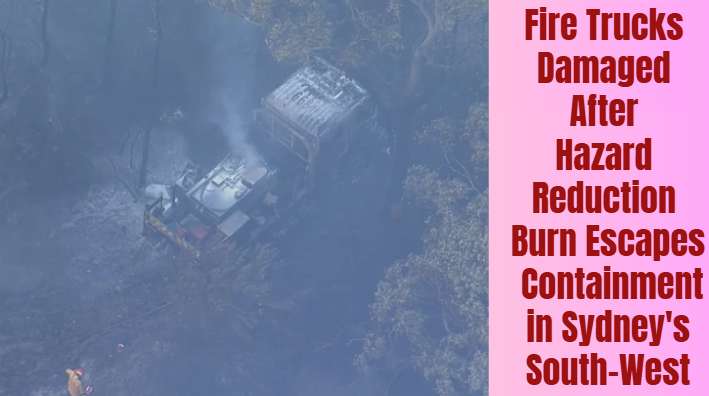
Multiple Rural Fire Service trucks were damaged after a planned hazard reduction burn at Wedderburn in Sydney's south-west escaped containment on Saturday.
Central Coast New South Wales · Emergency News · 24 Sep 2026
Emergency services responded to a fire at the former Woy Woy Leagues Club on the Central Coast on Thursday, 24 September 2026. The abandoned venue was reported to have gone up i...
Thousands of homes and businesses around Mildura in north-west Victoria are dealing with an extended power outage after a vehicle crashed into a power pole at Birdwoodton. The i...
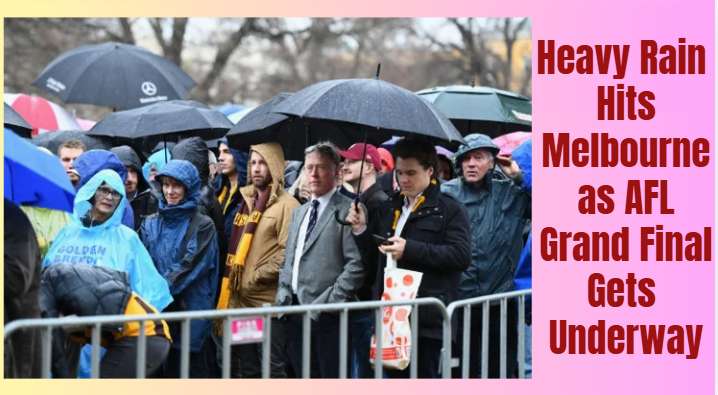
Wet conditions at the Melbourne Cricket Ground are creating difficult conditions for the AFL Grand Final, while poor weather has also disrupted flights...
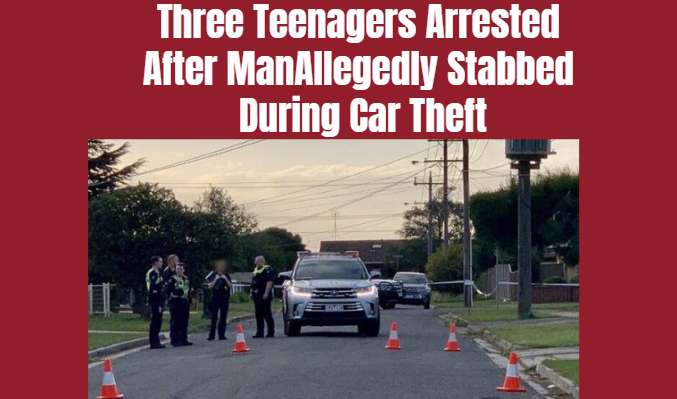
Police have arrested three teenagers after a man was allegedly stabbed while confronting a group of boys attempting to break into a car in Melbourne’s s...
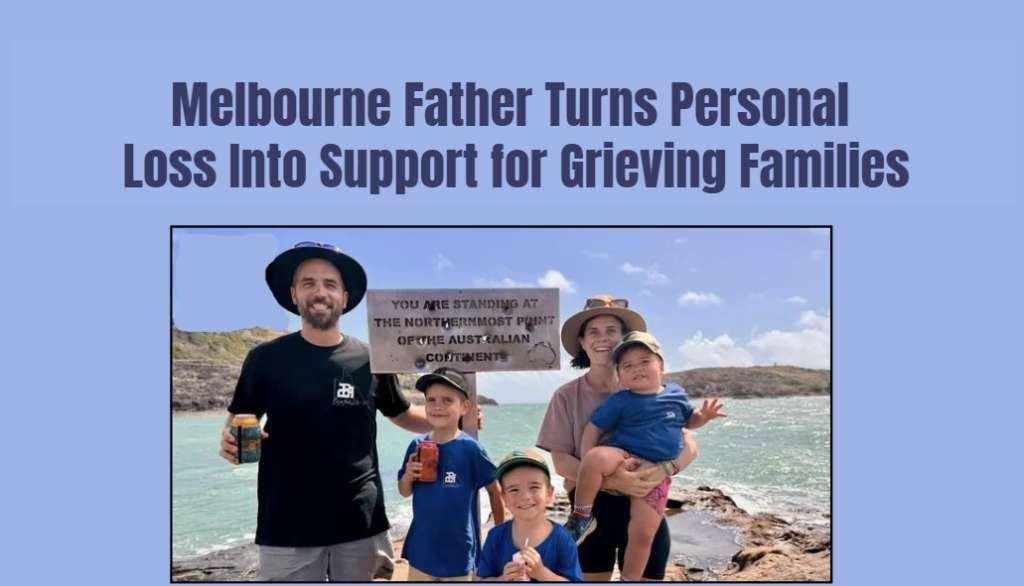
After losing two sons, Melbourne father Nick Olney has established a charity helping grieving parents preserve memories of their babies and access suppo...
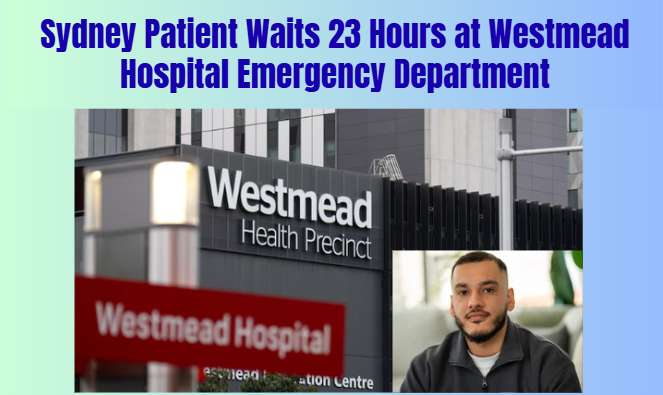
A Sydney patient says he spent 23 hours waiting on a chair at Westmead Hospital's emergency department, while new figures show continuing pressure on th...
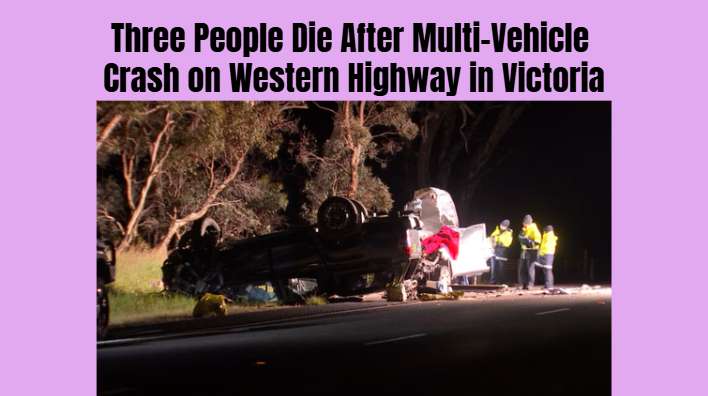
Three people, including a 14-year-old girl, have died following a multi-vehicle collision on the Western Highway near Ledcourt in Victoria's north-west.
A 50-year-old man has died after being struck by a vehicle in Fernvale, west of Brisbane, with police launching a homicide investigation and arresting a...
Multiple Rural Fire Service trucks were damaged after a planned hazard reduction burn at Wedderburn in Sydney's south-west escaped containment on Saturday.