Safety note: Admin approval is an initial review, not a guarantee that every detail is correct. Check important or urgent claims with official sources and report anything inaccurate or unsafe.
Source and credit: Contributor's own report
How Much Your Brisbane Suburb Grew (or Shrank) Last Year - Brisbane, QLD
Smart summary
Interactive data reveals which Brisbane suburbs gained residents, which lost population, and how demographic shifts are reshaping Queensland's capital.
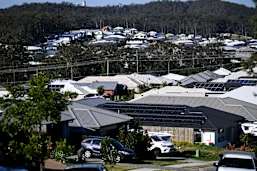
Brisbane’s population landscape has continued to shift over the past year, with some suburbs experiencing significant growth while others recorded declines in resident numbers. The latest suburb-level population data provides a detailed snapshot of how the city is changing, reflecting the combined effects of interstate migration, overseas arrivals, new housing developments, affordability, and evolving lifestyle preferences. The findings reveal that population growth has not been evenly distributed across Brisbane, with outer-growth corridors, developing communities, and well-connected suburbs generally attracting more residents than established areas with limited new housing.
The interactive analysis allows readers to explore individual suburbs and compare population changes across the metropolitan area. Fast-growing suburbs often benefited from increased residential construction, improved transport links, and greater housing availability, making them attractive destinations for families, first-home buyers, and people relocating from other parts of Queensland and Australia. In contrast, some inner-city and mature suburbs experienced slower growth or population declines due to factors such as reduced household sizes, limited residential development, ageing populations, or changing occupancy patterns.
The data highlights broader demographic trends that continue to shape Brisbane's future. Population growth influences demand for schools, healthcare services, public transport, roads, parks, and other essential infrastructure. Local councils, planners, developers, and businesses rely on this information to better understand where investment and services may be needed as communities expand or change.
Housing remains one of the most significant drivers behind these population movements. As property prices and rental costs continue to influence where people choose to live, many households are looking beyond traditional inner-city locations in search of more affordable options with larger homes and access to employment, education, and lifestyle amenities. At the same time, new apartment developments and urban renewal projects continue to reshape selected inner-city precincts.
Migration also plays an important role in Brisbane's changing demographics. Continued interstate migration, international arrivals, and natural population growth contribute to the city's expansion, although their impact varies considerably between suburbs. Some neighbourhoods have become increasingly diverse, attracting younger families, professionals, students, and retirees seeking different housing and lifestyle opportunities.
By presenting suburb-level population changes in an accessible format, the report enables residents to better understand how their local communities are evolving. Whether a suburb is growing rapidly, remaining stable, or experiencing a decline, the figures offer valuable insights into long-term development patterns and the factors influencing Brisbane's urban future. The analysis paints a comprehensive picture of a city in transition, where demographic shifts continue to reshape neighbourhoods, influence infrastructure planning, and guide future housing and economic development across Queensland's capital.
PopulationBrisbaneHousingSuburbsGrowth
Brisbane’s population landscape has continued to shift over the past year, with some suburbs experiencing significant growth while others recorded declines in resident numbers. The latest suburb-level population data provides a detailed snapshot of how the city is changing, reflecting the combined effects of interstate migration, overseas arrivals, new housing developments, affordability, and evolving lifestyle preferences. The findings reveal that population growth has not been evenly distributed across Brisbane, with outer-growth corridors, developing communities, and well-connected suburbs generally attracting more residents than established areas with limited new housing.
The interactive analysis allows readers to explore individual suburbs and compare population changes across the metropolitan area. Fast-growing suburbs often benefited from increased residential construction, improved transport links, and greater housing availability, making them attractive destinations for families, first-home buyers, and people relocating from other parts of Queensland and Australia. In contrast, some inner-city and mature suburbs experienced slower growth or population declines due to factors such as reduced household sizes, limited residential development, ageing populations, or changing occupancy patterns.
The data highlights broader demographic trends that continue to shape Brisbane's future. Population growth influences demand for schools, healthcare services, public transport, roads, parks, and other essential infrastructure. Local councils, planners, developers, and businesses rely on this information to better understand where investment and services may be needed as communities expand or change.
Housing remains one of the most significant drivers behind these population movements. As property prices and rental costs continue to influence where people choose to live, many households are looking beyond traditional inner-city locations in search of more affordable options with larger homes and access to employment, education, and lifestyle amenities. At the same time, new apartment developments and urban renewal projects continue to reshape selected inner-city precincts.
Migration also plays an important role in Brisbane's changing demographics. Continued interstate migration, international arrivals, and natural population growth contribute to the city's expansion, although their impact varies considerably between suburbs. Some neighbourhoods have become increasingly diverse, attracting younger families, professionals, students, and retirees seeking different housing and lifestyle opportunities.
By presenting suburb-level population changes in an accessible format, the report enables residents to better understand how their local communities are evolving. Whether a suburb is growing rapidly, remaining stable, or experiencing a decline, the figures offer valuable insights into long-term development patterns and the factors influencing Brisbane's urban future. The analysis paints a comprehensive picture of a city in transition, where demographic shifts continue to reshape neighbourhoods, influence infrastructure planning, and guide future housing and economic development across Queensland's capital.
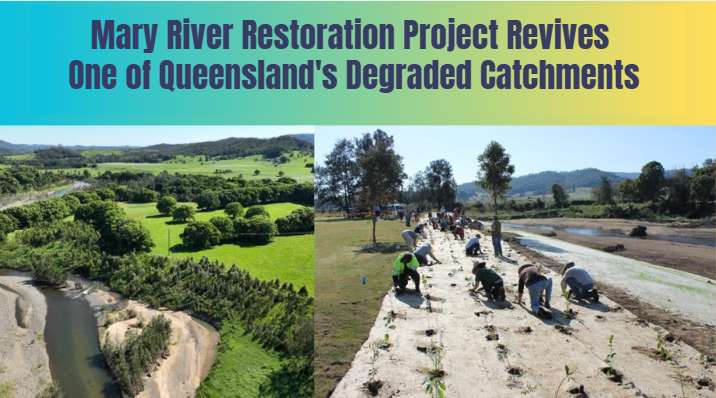
A long-running community restoration effort along Queensland's Mary River is reducing erosion, improving water quality and helping restore habitat for n...
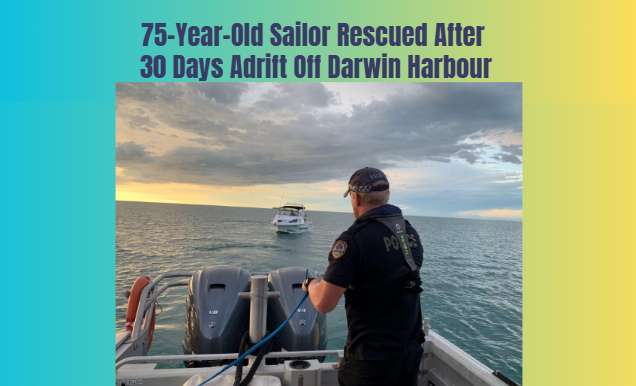
A 75-year-old sailor has been rescued after spending 30 days at sea near Darwin Harbour, with three strangers coming to his aid after his supplies were...
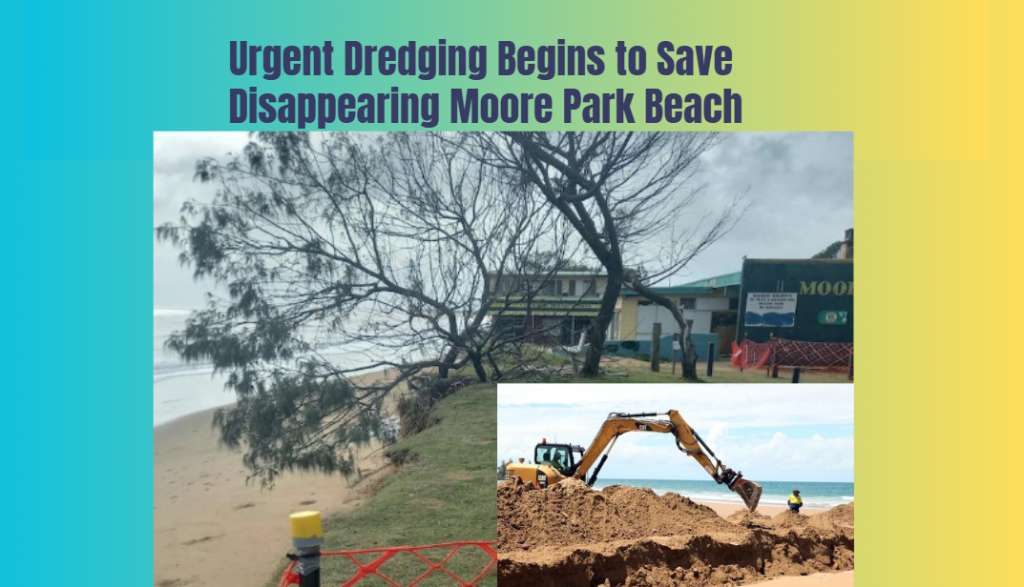
Emergency dredging has begun at Moore Park Beach near Bundaberg after severe erosion washed away sections of the coastline and shifted the mouth of Moor...
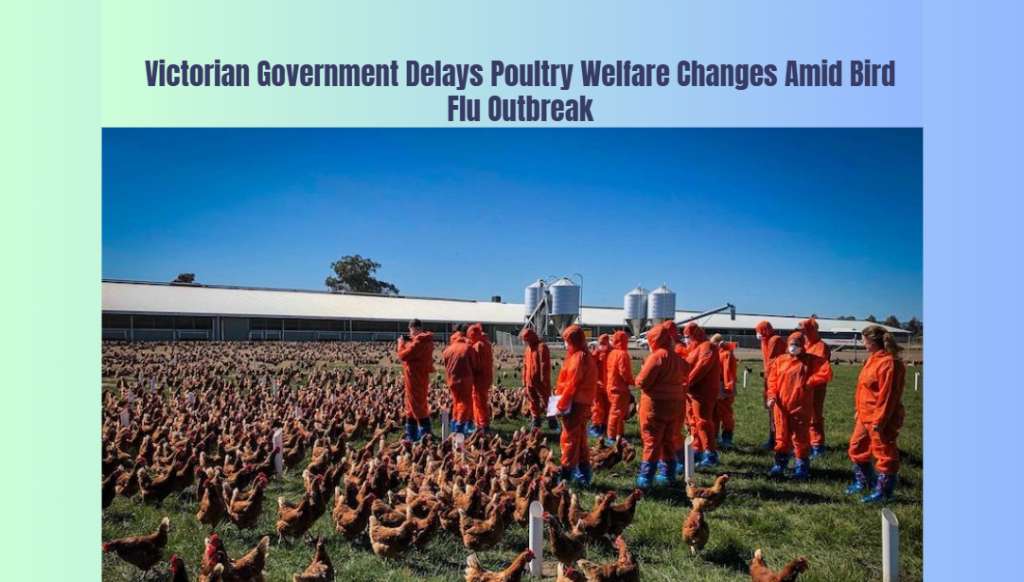
Victoria has delayed tougher poultry and caged-egg regulations by 12 months as authorities and producers respond to the spread of H5N1 bird flu across t...
A 50-year-old man has died after being struck by a vehicle in Fernvale, west of Brisbane, with police launching a homicide investigation and arresting a...
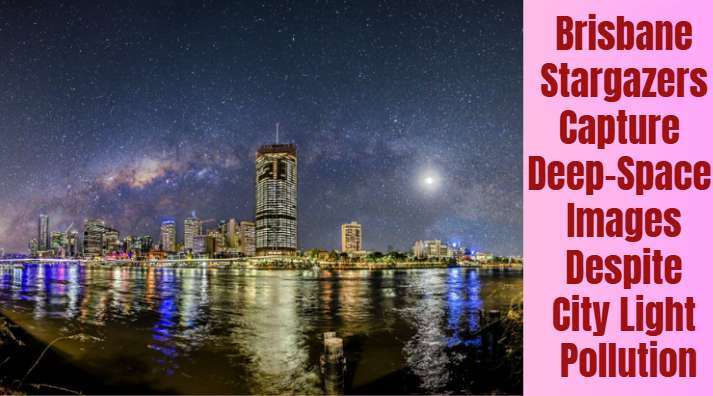
Amateur astronomers are using new telescope technology to photograph the Moon, planets and distant galaxies from Brisbane homes, showing that city skies...
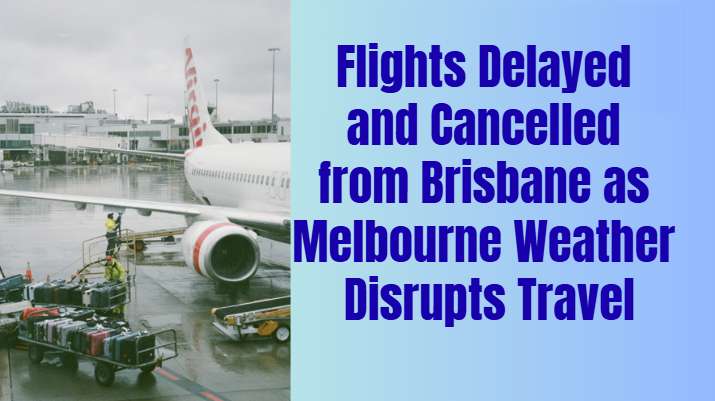
Severe weather in Melbourne has caused flight disruptions from Brisbane, with at least one flight cancelled and other services delayed as passengers tra...
A long-running community restoration effort along Queensland's Mary River is reducing erosion, improving water quality and helping restore habitat for n...
A 50-year-old man has died after being struck by a vehicle in Fernvale, west of Brisbane, with police launching a homicide investigation and arresting a...
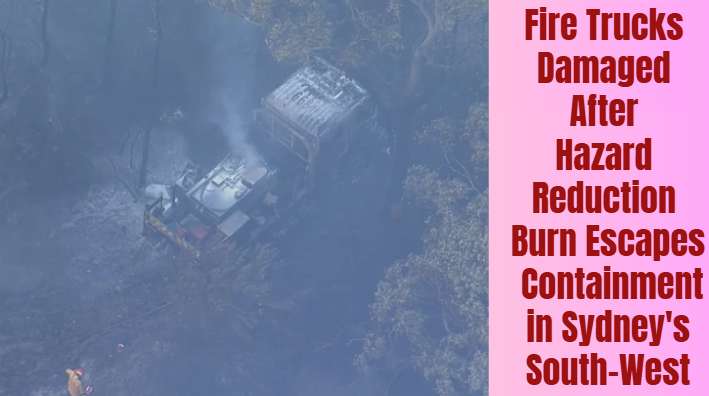
Multiple Rural Fire Service trucks were damaged after a planned hazard reduction burn at Wedderburn in Sydney's south-west escaped containment on Saturday.
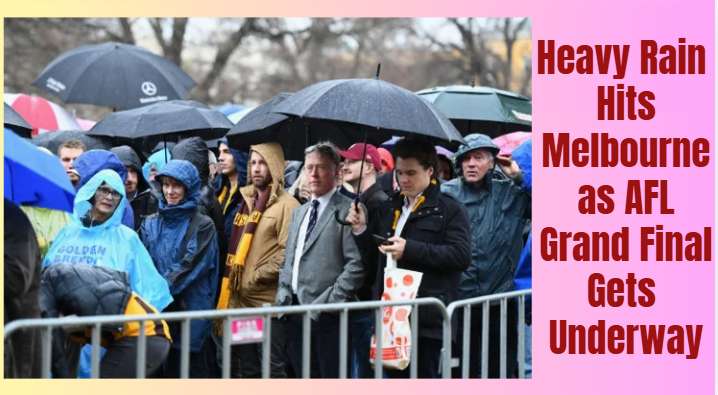
Wet conditions at the Melbourne Cricket Ground are creating difficult conditions for the AFL Grand Final, while poor weather has also disrupted flights...
Amateur astronomers are using new telescope technology to photograph the Moon, planets and distant galaxies from Brisbane homes, showing that city skies...