Jury finds Sumira Gambhir not guilty over fatal Ballarat crash
By Neha · Published 24 Jun 2026 · Updated 24 Jun 2026
Ballarat, VIC · Victoria News
Safety note: Admin approval is an initial review, not a guarantee that every detail is correct. Check important or urgent claims with official sources and report anything inaccurate or unsafe.
Source and credit: Contributor's own report
Jury finds Sumira Gambhir not guilty over fatal Ballarat crash - Ballarat, VIC
Smart summary
A jury has acquitted Ballarat mother Sumira Gambhir of dangerous driving causing death after concluding the prosecution had not proven the charge beyond reasonable doubt.
A Ballarat mother has been found not guilty of dangerous driving causing death following a Supreme Court trial that examined the circumstances of a fatal road crash in regional Victoria. After hearing evidence and legal arguments, a jury returned a verdict acquitting Sumira Gambhir, bringing a lengthy legal process to an end.
The case centred on a tragic collision that resulted in the death of another road user and prompted an extensive police investigation. Prosecutors alleged that Gambhir's manner of driving was dangerous and substantially contributed to the fatal outcome. The prosecution sought to convince the jury that her actions behind the wheel met the legal threshold required for a conviction under Victorian dangerous driving laws.
During the trial, jurors heard detailed evidence relating to the collision, including witness testimony, expert analysis and information about road conditions at the time of the incident. The court examined factors such as vehicle movements, driver decision-making, visibility, speed and the circumstances leading up to the crash.
Defence lawyers argued that while the collision was undeniably tragic, the evidence did not establish criminal culpability. They maintained that the prosecution had failed to prove beyond reasonable doubt that Gambhir's driving was dangerous according to the legal definition required for conviction. The defence emphasised that not every fatal crash results from criminal conduct and that jurors needed to distinguish between a tragic accident and a criminal offence.
The jury ultimately accepted that the prosecution had not met the high burden of proof required in a criminal trial. Following deliberations, jurors returned a verdict of not guilty, meaning Gambhir was acquitted of the dangerous driving charge.
Cases involving dangerous driving causing death often attract significant public attention because they sit at the intersection of road safety, personal tragedy and criminal law. Courts are required to carefully assess whether a driver's conduct departed sufficiently from the standard expected of a reasonable driver to justify criminal punishment.
The verdict does not diminish the tragedy of the fatal collision or the impact on the family and loved ones of the deceased. Court proceedings acknowledged the devastating consequences of the crash and the lasting effects experienced by all those involved.
Legal experts note that dangerous driving cases can be particularly complex because they frequently rely on technical evidence and detailed assessments of driver behaviour. Jurors must determine not only what occurred but also whether the conduct reaches the legal standard necessary for criminal liability.
The outcome highlights the principle that criminal convictions can only be secured when guilt is established beyond reasonable doubt. Where uncertainty remains about whether a driver's actions were criminally dangerous, juries are required to return a verdict of not guilty.
The decision brings closure to the criminal proceedings against Gambhir, although the emotional effects of the crash are likely to remain significant for everyone affected by the incident.
CriminalDangerousDrivingCrashGambhir
A Ballarat mother has been found not guilty of dangerous driving causing death following a Supreme Court trial that examined the circumstances of a fatal road crash in regional Victoria. After hearing evidence and legal arguments, a jury returned a verdict acquitting Sumira Gambhir, bringing a lengthy legal process to an end.
The case centred on a tragic collision that resulted in the death of another road user and prompted an extensive police investigation. Prosecutors alleged that Gambhir's manner of driving was dangerous and substantially contributed to the fatal outcome. The prosecution sought to convince the jury that her actions behind the wheel met the legal threshold required for a conviction under Victorian dangerous driving laws.
During the trial, jurors heard detailed evidence relating to the collision, including witness testimony, expert analysis and information about road conditions at the time of the incident. The court examined factors such as vehicle movements, driver decision-making, visibility, speed and the circumstances leading up to the crash.
Defence lawyers argued that while the collision was undeniably tragic, the evidence did not establish criminal culpability. They maintained that the prosecution had failed to prove beyond reasonable doubt that Gambhir's driving was dangerous according to the legal definition required for conviction. The defence emphasised that not every fatal crash results from criminal conduct and that jurors needed to distinguish between a tragic accident and a criminal offence.
The jury ultimately accepted that the prosecution had not met the high burden of proof required in a criminal trial. Following deliberations, jurors returned a verdict of not guilty, meaning Gambhir was acquitted of the dangerous driving charge.
Cases involving dangerous driving causing death often attract significant public attention because they sit at the intersection of road safety, personal tragedy and criminal law. Courts are required to carefully assess whether a driver's conduct departed sufficiently from the standard expected of a reasonable driver to justify criminal punishment.
The verdict does not diminish the tragedy of the fatal collision or the impact on the family and loved ones of the deceased. Court proceedings acknowledged the devastating consequences of the crash and the lasting effects experienced by all those involved.
Legal experts note that dangerous driving cases can be particularly complex because they frequently rely on technical evidence and detailed assessments of driver behaviour. Jurors must determine not only what occurred but also whether the conduct reaches the legal standard necessary for criminal liability.
The outcome highlights the principle that criminal convictions can only be secured when guilt is established beyond reasonable doubt. Where uncertainty remains about whether a driver's actions were criminally dangerous, juries are required to return a verdict of not guilty.
The decision brings closure to the criminal proceedings against Gambhir, although the emotional effects of the crash are likely to remain significant for everyone affected by the incident.
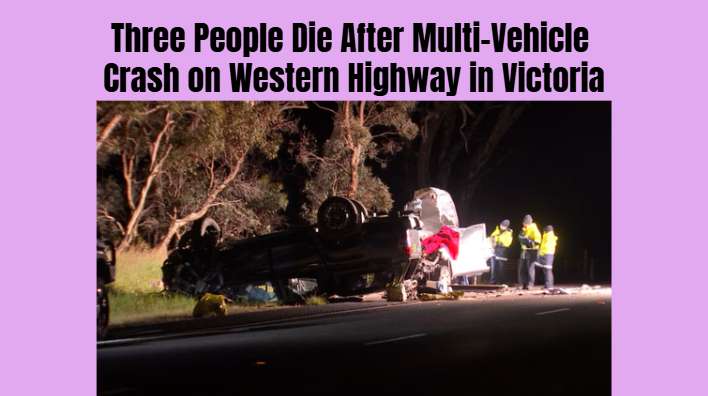
Three people, including a 14-year-old girl, have died following a multi-vehicle collision on the Western Highway near Ledcourt in Victoria's north-west.
A 50-year-old man has died after being struck by a vehicle in Fernvale, west of Brisbane, with police launching a homicide investigation and arresting a...
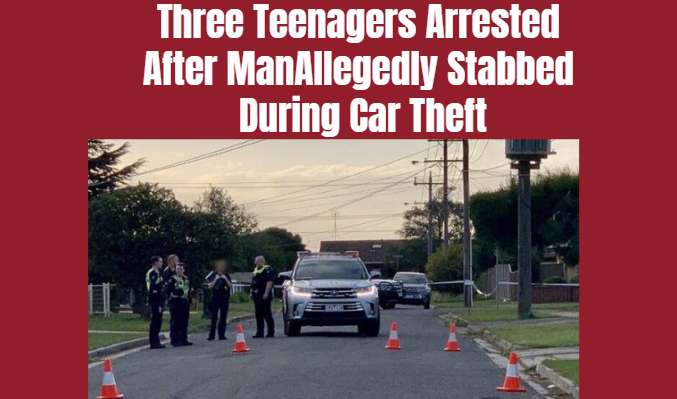
Police have arrested three teenagers after a man was allegedly stabbed while confronting a group of boys attempting to break into a car in Melbourne’s s...
Recent domestic violence-related deaths in New South Wales have highlighted concerns about gaps in identifying alleged perpetrators before serious viole...
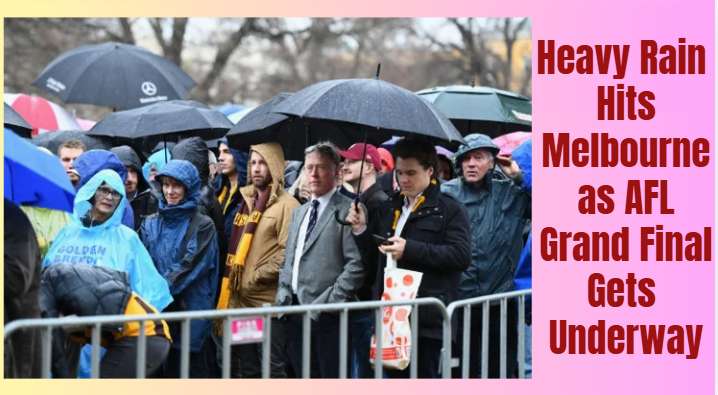
Wet conditions at the Melbourne Cricket Ground are creating difficult conditions for the AFL Grand Final, while poor weather has also disrupted flights...
Police have arrested three teenagers after a man was allegedly stabbed while confronting a group of boys attempting to break into a car in Melbourne’s s...
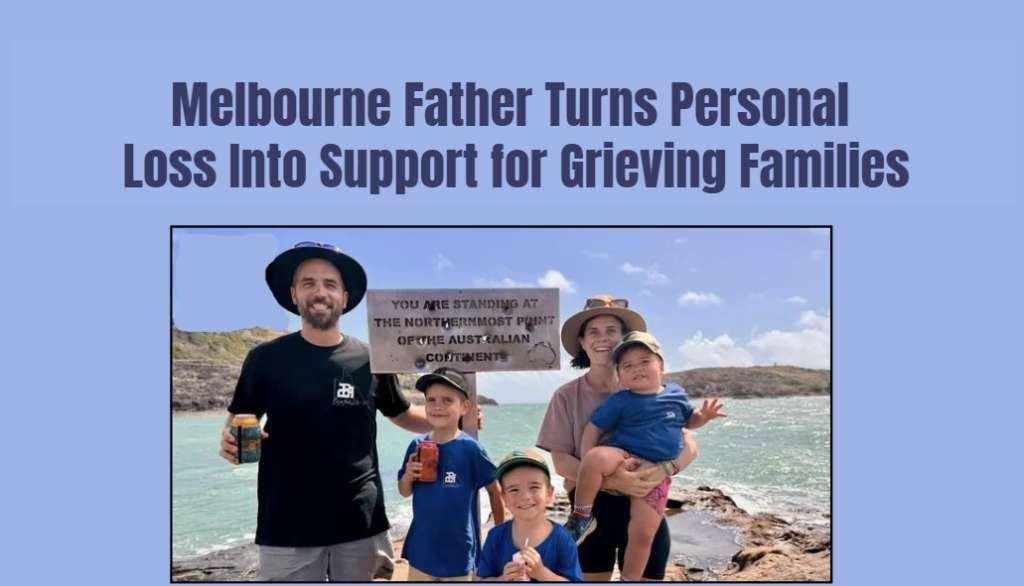
After losing two sons, Melbourne father Nick Olney has established a charity helping grieving parents preserve memories of their babies and access suppo...
A Sydney patient says he spent 23 hours waiting on a chair at Westmead Hospital's emergency department, while new figures show continuing pressure on th...
Three people, including a 14-year-old girl, have died following a multi-vehicle collision on the Western Highway near Ledcourt in Victoria's north-west.
A 50-year-old man has died after being struck by a vehicle in Fernvale, west of Brisbane, with police launching a homicide investigation and arresting a...
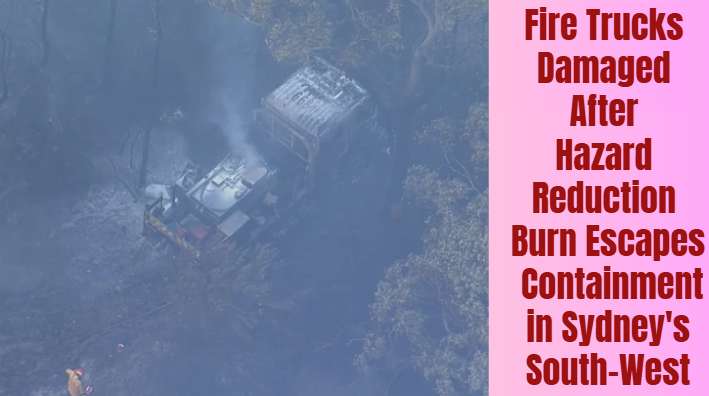
Multiple Rural Fire Service trucks were damaged after a planned hazard reduction burn at Wedderburn in Sydney's south-west escaped containment on Saturday.