Safety note: Admin approval is an initial review, not a guarantee that every detail is correct. Check important or urgent claims with official sources and report anything inaccurate or unsafe.
Source and credit: Contributor's own report
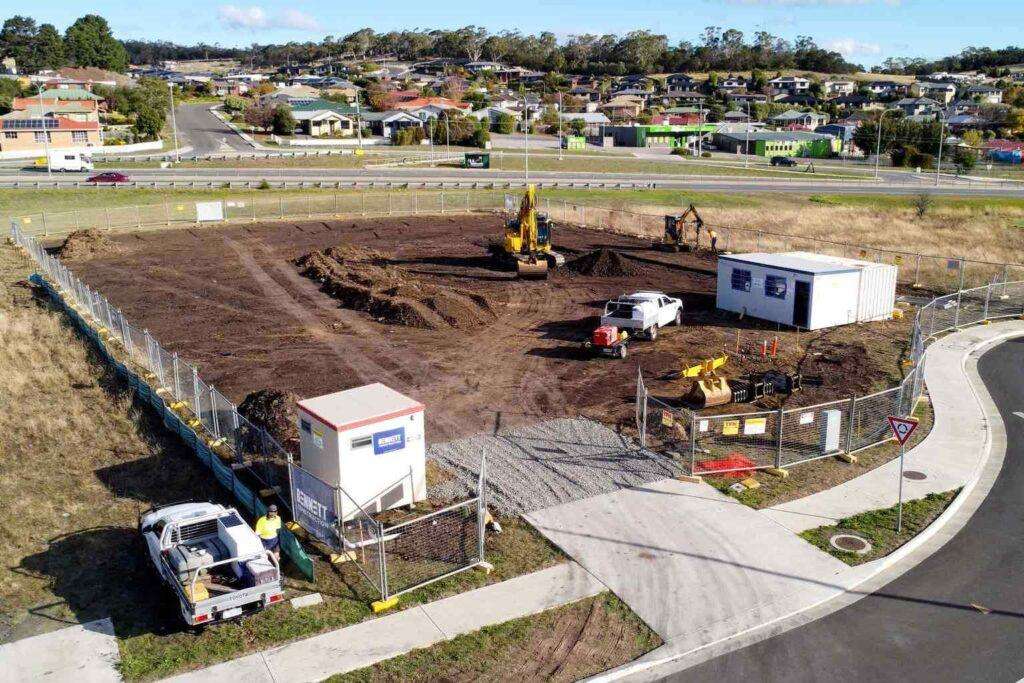
Liberty Bell Bay administrators report company insolvent as development faces uncertainty - Bell Bay, TAS
Smart summary
Administrators have reported that Liberty Bell Bay is insolvent, raising concerns about the future of the major Tasmanian development project and its creditors.
The future of the Liberty Bell Bay development in Tasmania has been thrown into uncertainty after administrators reported that the company behind the project is insolvent.
The administrator’s report has revealed financial difficulties within the business, with creditors now assessing the company’s position and considering the possible outcomes for the project. The announcement has raised questions about whether the development can continue, be restructured, or require a sale to another operator.
Liberty Bell Bay has been one of Tasmania’s significant development projects, attracting attention because of its scale and potential economic benefits. The project was expected to create new opportunities through construction activity, investment and future development in the region.
However, rising construction costs, financial pressures and challenges facing the property sector have affected many developments across Australia. Increasing expenses for materials, labour shortages, interest rate pressures and changing market conditions have placed significant strain on some developers.
The administrators are now responsible for examining the company’s financial records, identifying available assets and determining the best pathway forward for creditors and stakeholders. Their role includes investigating the reasons behind the company’s financial collapse and exploring whether the business can be saved or whether assets should be sold.
Creditors, including suppliers, contractors and other businesses connected to the project, are waiting for further information about how much money may be recovered. Insolvency proceedings can create significant challenges for small businesses that rely on payments from large development projects.
The situation also highlights broader issues affecting Australia’s property and construction industries. While demand for housing and infrastructure remains strong, many developers have faced difficulties due to increased costs and tighter financial conditions.
For the local community, uncertainty surrounding Liberty Bell Bay may create concerns about employment opportunities, future investment and the completion of planned works. Development projects often provide economic benefits through construction jobs, local spending and long-term growth.
The administrators will continue reviewing the company’s financial position before making recommendations about the future of Liberty Bell Bay. Options may include restructuring the business, finding new investors, selling the development assets or winding up the company.
Stakeholders are expected to receive further updates as the administration process progresses. Until a final decision is made, the future of the project remains unclear.
The case serves as another example of the challenges facing the Australian development sector, where ambitious projects can face unexpected financial pressures despite strong demand and community support.
Industry experts say careful financial planning, realistic project timelines and effective risk management are increasingly important as developers navigate a changing economic environment.
The outcome of Liberty Bell Bay’s administration will be closely watched by creditors, residents and the broader Tasmanian property industry.
DevelopmentFinancialCompanyBellLiberty
The future of the Liberty Bell Bay development in Tasmania has been thrown into uncertainty after administrators reported that the company behind the project is insolvent.
The administrator’s report has revealed financial difficulties within the business, with creditors now assessing the company’s position and considering the possible outcomes for the project. The announcement has raised questions about whether the development can continue, be restructured, or require a sale to another operator.
Liberty Bell Bay has been one of Tasmania’s significant development projects, attracting attention because of its scale and potential economic benefits. The project was expected to create new opportunities through construction activity, investment and future development in the region.
However, rising construction costs, financial pressures and challenges facing the property sector have affected many developments across Australia. Increasing expenses for materials, labour shortages, interest rate pressures and changing market conditions have placed significant strain on some developers.
The administrators are now responsible for examining the company’s financial records, identifying available assets and determining the best pathway forward for creditors and stakeholders. Their role includes investigating the reasons behind the company’s financial collapse and exploring whether the business can be saved or whether assets should be sold.
Creditors, including suppliers, contractors and other businesses connected to the project, are waiting for further information about how much money may be recovered. Insolvency proceedings can create significant challenges for small businesses that rely on payments from large development projects.
The situation also highlights broader issues affecting Australia’s property and construction industries. While demand for housing and infrastructure remains strong, many developers have faced difficulties due to increased costs and tighter financial conditions.
For the local community, uncertainty surrounding Liberty Bell Bay may create concerns about employment opportunities, future investment and the completion of planned works. Development projects often provide economic benefits through construction jobs, local spending and long-term growth.
The administrators will continue reviewing the company’s financial position before making recommendations about the future of Liberty Bell Bay. Options may include restructuring the business, finding new investors, selling the development assets or winding up the company.
Stakeholders are expected to receive further updates as the administration process progresses. Until a final decision is made, the future of the project remains unclear.
The case serves as another example of the challenges facing the Australian development sector, where ambitious projects can face unexpected financial pressures despite strong demand and community support.
Industry experts say careful financial planning, realistic project timelines and effective risk management are increasingly important as developers navigate a changing economic environment.
The outcome of Liberty Bell Bay’s administration will be closely watched by creditors, residents and the broader Tasmanian property industry.
Cairns Regional Council has unanimously voted to seek $400,000 in Queensland Government funding for a program designed to connect local businesses with the region’s growing film...
Albury New South Wales · Business News · 17 Sep 2026
An Australian artificial intelligence company has purchased the former Visy paper mill site at Ettamogah, north of Albury, in a significant local business The company, Sharon AI...
A new multi-million-dollar poultry-processing facility has officially opened near Tamworth, bringing major investment and new employment opportunities t...
Global diesel shortages and disrupted shipping routes are pushing up fuel costs and creating growing risks for Australia’s farmers, miners and wider eco...
A push is underway to expand NSW Police drone technology to Gunnedah, with the equipment proposed for crime response, offender searches and emergencies.
Cairns Regional Council has unanimously voted to seek $400,000 in Queensland Government funding for a program designed to connect local businesses with the region’s growing film...
An automated external defibrillator and memorial plaque have been installed at Ellery Creek Big Hole following the death of disability advocate Ellen Fr...
Queensland firefighters spent several hours monitoring a significant grass fire at Mary Kinross Park in Bargara, near Bundaberg, after the blaze broke out on Wednesday evening....