Safety note: Admin approval is an initial review, not a guarantee that every detail is correct. Check important or urgent claims with official sources and report anything inaccurate or unsafe.
Source and credit: Contributor's own report
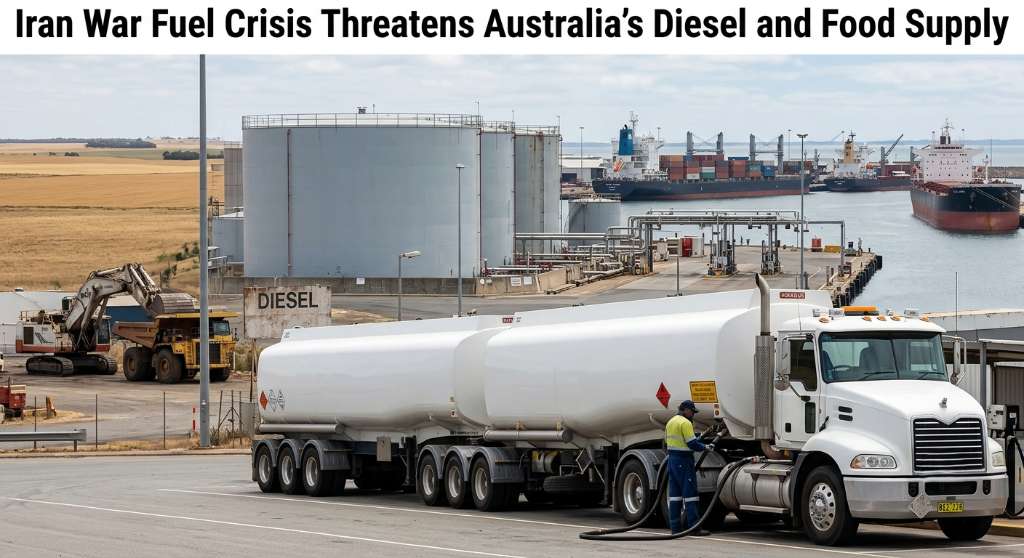
Iran War Fuel Crisis Threatens Australia’s Diesel and Food Supply - National, ACT
Smart summary
Global diesel shortages and disrupted shipping routes are pushing up fuel costs and creating growing risks for Australia’s farmers, miners and wider economy.
The ongoing conflict between the United States and Iran has developed into a major global energy crisis, with Australia facing growing pressure from higher diesel prices, disrupted shipping routes and increasingly tight supplies of refined fuel.
The crisis has become particularly serious because two major shipping routes are under threat. The Strait of Hormuz, one of the world's most important oil corridors, has been severely disrupted by the conflict. The waterway normally carries a huge share of global crude oil and liquefied petroleum gas shipments.
The situation has been made worse by instability around the Red Sea and the Bab el-Mandeb Strait, another important route for international shipping. Attacks and military activity have reduced the number of ships willing or able to use these routes.
The disruption matters to Australia because the country relies heavily on imported refined petroleum products. While Australia produces crude oil, its domestic refining capacity is limited, meaning overseas supplies remain important for petrol, diesel and other fuels.
Diesel is particularly important because it powers major parts of the Australian economy. Mining operations, agriculture, freight transport, construction and other industries depend heavily on diesel-powered machinery and vehicles.
Australia's mining sector alone consumes an enormous amount of diesel each day. The country's farmers also rely on diesel as the harvest season approaches, using fuel for tractors, harvesters, trucks and other agricultural equipment.
This creates a difficult potential choice for the Australian economy if the global shortage becomes more severe: ensuring enough diesel for food production or maintaining supplies for industries such as mining and heavy transport.
Australia's diesel reserves have also become a concern. The country currently holds only around 42 days of diesel supply, substantially below the International Energy Agency's recommended 90-day emergency stockpile for member countries.
Those reserves provide an important buffer against international supply disruptions, but they cannot protect Australia indefinitely if global shortages continue.
The international situation has also been affected by disruptions to Russian oil and refining infrastructure. Ukrainian attacks have damaged Russian refineries and oil facilities, reducing the amount of refined petroleum products available for export.
Russia has responded by restricting exports of refined fuels, including diesel, as it attempts to protect its own domestic supply.
At the same time, Gulf countries are exporting substantially less diesel than before the conflict. This has placed additional pressure on other refineries around the world.
China is another important factor because it has significant refining capacity and can influence global fuel supplies through its decisions on refined-product exports. Any reduction in Chinese exports could make the international market even tighter.
The pressure is already visible in fuel prices. Global crude prices have climbed sharply, while diesel prices have risen even faster because the shortage is concentrated in refined products.
In Australia, higher fuel costs flow through much more than the petrol station. Diesel is used throughout supply chains, meaning increases can raise the cost of transporting food, operating farms, moving freight, mining resources and manufacturing goods.
That creates a wider inflation problem for Australian households.
Higher transport and production costs can eventually feed into supermarket prices and other everyday expenses. Businesses may also face higher operating costs and could pass some of those increases on to consumers.
The crisis is therefore not simply about whether Australians can afford to fill their cars. A prolonged diesel shortage could affect food production, mining output, freight networks and Australia's broader economic performance.
The situation remains dependent on developments in the Middle East. A reopening of major shipping routes and an increase in global refined-fuel supplies could ease pressure. However, continued disruption could keep diesel prices elevated for an extended period.
For Australia, the combination of limited domestic refining capacity, dependence on imported fuel and relatively modest strategic reserves leaves the country exposed to a prolonged global fuel shock.
The latest developments have therefore raised concerns about Australia's energy security and the potential economic consequences if the Iran conflict continues to disrupt international oil and fuel markets.
DieselFuelGlobalImportantInternational
The ongoing conflict between the United States and Iran has developed into a major global energy crisis, with Australia facing growing pressure from higher diesel prices, disrupted shipping routes and increasingly tight supplies of refined fuel.
The crisis has become particularly serious because two major shipping routes are under threat. The Strait of Hormuz, one of the world's most important oil corridors, has been severely disrupted by the conflict. The waterway normally carries a huge share of global crude oil and liquefied petroleum gas shipments.
The situation has been made worse by instability around the Red Sea and the Bab el-Mandeb Strait, another important route for international shipping. Attacks and military activity have reduced the number of ships willing or able to use these routes.
The disruption matters to Australia because the country relies heavily on imported refined petroleum products. While Australia produces crude oil, its domestic refining capacity is limited, meaning overseas supplies remain important for petrol, diesel and other fuels.
Diesel is particularly important because it powers major parts of the Australian economy. Mining operations, agriculture, freight transport, construction and other industries depend heavily on diesel-powered machinery and vehicles.
Australia's mining sector alone consumes an enormous amount of diesel each day. The country's farmers also rely on diesel as the harvest season approaches, using fuel for tractors, harvesters, trucks and other agricultural equipment.
This creates a difficult potential choice for the Australian economy if the global shortage becomes more severe: ensuring enough diesel for food production or maintaining supplies for industries such as mining and heavy transport.
Australia's diesel reserves have also become a concern. The country currently holds only around 42 days of diesel supply, substantially below the International Energy Agency's recommended 90-day emergency stockpile for member countries.
Those reserves provide an important buffer against international supply disruptions, but they cannot protect Australia indefinitely if global shortages continue.
The international situation has also been affected by disruptions to Russian oil and refining infrastructure. Ukrainian attacks have damaged Russian refineries and oil facilities, reducing the amount of refined petroleum products available for export.
Russia has responded by restricting exports of refined fuels, including diesel, as it attempts to protect its own domestic supply.
At the same time, Gulf countries are exporting substantially less diesel than before the conflict. This has placed additional pressure on other refineries around the world.
China is another important factor because it has significant refining capacity and can influence global fuel supplies through its decisions on refined-product exports. Any reduction in Chinese exports could make the international market even tighter.
The pressure is already visible in fuel prices. Global crude prices have climbed sharply, while diesel prices have risen even faster because the shortage is concentrated in refined products.
In Australia, higher fuel costs flow through much more than the petrol station. Diesel is used throughout supply chains, meaning increases can raise the cost of transporting food, operating farms, moving freight, mining resources and manufacturing goods.
That creates a wider inflation problem for Australian households.
Higher transport and production costs can eventually feed into supermarket prices and other everyday expenses. Businesses may also face higher operating costs and could pass some of those increases on to consumers.
The crisis is therefore not simply about whether Australians can afford to fill their cars. A prolonged diesel shortage could affect food production, mining output, freight networks and Australia's broader economic performance.
The situation remains dependent on developments in the Middle East. A reopening of major shipping routes and an increase in global refined-fuel supplies could ease pressure. However, continued disruption could keep diesel prices elevated for an extended period.
For Australia, the combination of limited domestic refining capacity, dependence on imported fuel and relatively modest strategic reserves leaves the country exposed to a prolonged global fuel shock.
The latest developments have therefore raised concerns about Australia's energy security and the potential economic consequences if the Iran conflict continues to disrupt international oil and fuel markets.
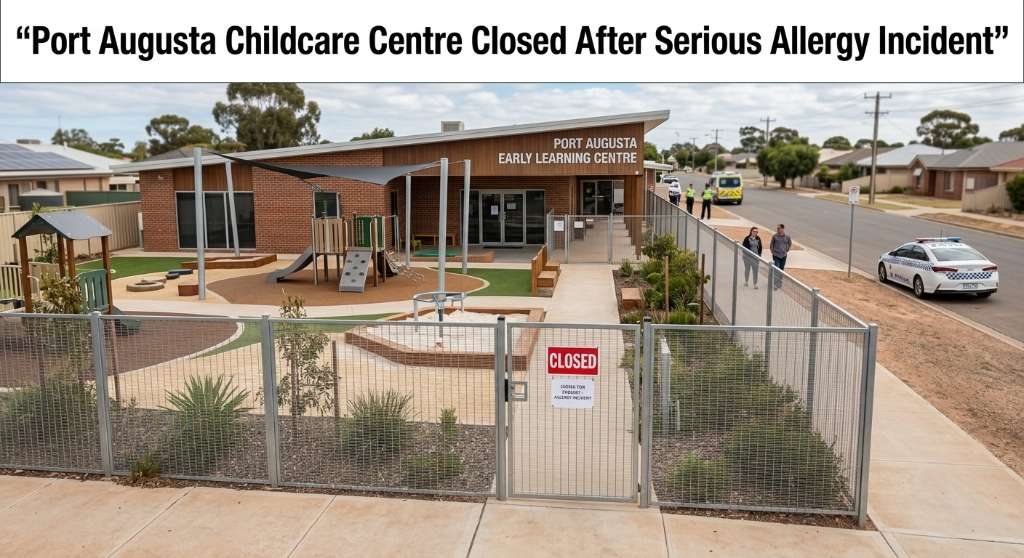
An Edge Early Learning centre in Port Augusta has been ordered to close for two weeks after a child with allergies was hospitalised after being given fo...
The statewide scheme allows eligible renters to transfer their existing bond directly to a new rental property instead of paying a second bond upfront.
Central Coast New South Wales · General News · 15 Sep 2026
A teenager accused of negligent driving following a fatal crash on the NSW Central Coast has been refused bail in court today, Tuesday, September 15, 2026. The case follows a se...
Sydney New South Wales · General News · 15 Sep 2026
A tragic incident in Auburn, in Sydney’s west, has resulted in the death of a three-year-old girl after she was struck by a car in a residential driveway on Tuesday, September 1...
A push is underway to expand NSW Police drone technology to Gunnedah, with the equipment proposed for crime response, offender searches and emergencies.
Cairns Regional Council has unanimously voted to seek $400,000 in Queensland Government funding for a program designed to connect local businesses with the region’s growing film...
An automated external defibrillator and memorial plaque have been installed at Ellery Creek Big Hole following the death of disability advocate Ellen Fr...
Queensland firefighters spent several hours monitoring a significant grass fire at Mary Kinross Park in Bargara, near Bundaberg, after the blaze broke out on Wednesday evening....