Safety note: Admin approval is an initial review, not a guarantee that every detail is correct. Check important or urgent claims with official sources and report anything inaccurate or unsafe.
Source and credit: Contributor's own report
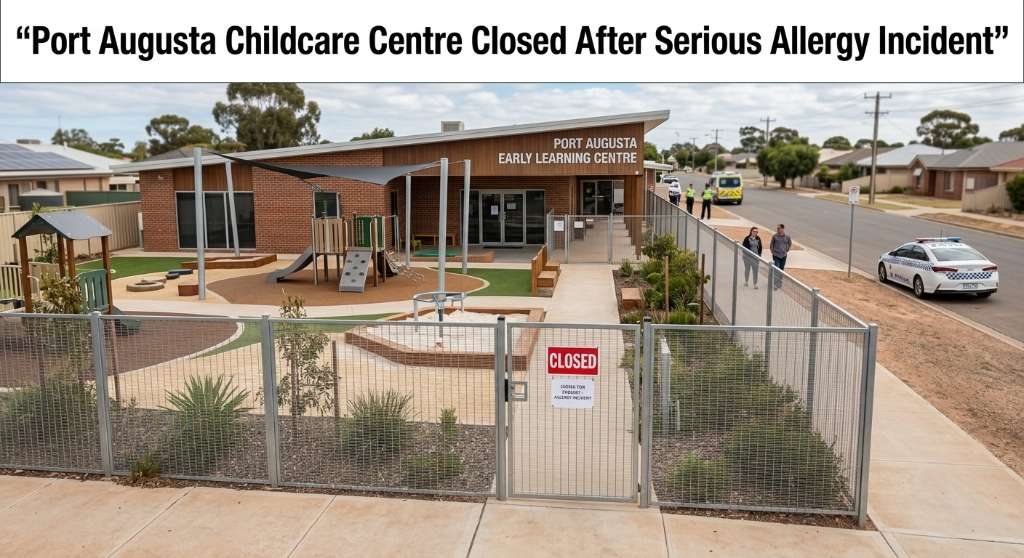
Port Augusta Childcare Centre Closed After Serious Allergy Incident - Port Augusta, SA
Smart summary
An Edge Early Learning centre in Port Augusta has been ordered to close for two weeks after a child with allergies was hospitalised after being given food they should not have received.
An early learning centre in Port Augusta has been ordered to close for two weeks following a serious allergy incident in which a child was hospitalised after being given food they were not supposed to receive.
The incident occurred at the Edge Early Learning centre in Port Augusta and resulted in regulatory action against the childcare service. The child, who had known allergies, required hospital treatment after being served food that was not appropriate for their dietary requirements.
The incident has raised concerns about the importance of strict allergy-management procedures in childcare environments, where staff are responsible for ensuring children receive food that is safe for them.
Following the incident, authorities ordered the centre to remain closed for two weeks. The closure is intended to allow the service to address identified concerns and strengthen its procedures for managing allergies and emergency situations.
The childcare centre has also been required to ensure that staff undertake independent training covering emergency response management and the identification of allergic reactions and anaphylaxis.
Food allergies can cause potentially life-threatening reactions, and childcare services are required to have systems in place to identify children with allergies, manage their dietary requirements and respond quickly if an allergic reaction occurs.
The incident highlights the importance of communication between families and childcare providers. Parents and carers generally provide information about children's medical and dietary requirements, while childcare staff must ensure that this information is properly communicated and followed when meals and snacks are prepared and distributed.
For families using early learning services in Port Augusta, the incident is likely to reinforce the importance of asking centres about their allergy-management procedures and emergency-response arrangements.
The temporary closure also means families using the affected service may need to make alternative arrangements for childcare while the centre completes the required steps before reopening.
Regulatory intervention following an incident of this type can involve reviewing the circumstances surrounding what happened, assessing whether appropriate procedures were followed and requiring the service to make changes where necessary.
The case also demonstrates why allergy awareness and anaphylaxis training are important areas of preparation for childcare workers. Reactions can develop quickly, meaning staff need to recognise warning signs and understand the appropriate emergency response.
The child involved was hospitalised following the incident, making the event particularly serious. However, the available reporting does not indicate that the child suffered a fatal outcome.
The centre's closure is temporary, and its reopening will depend on meeting the requirements imposed by the relevant authorities. The additional staff training is intended to improve the centre's ability to prevent similar incidents and respond appropriately if an allergic reaction occurs in the future.
The incident is a significant local issue for Port Augusta because early learning services provide essential support for families and working parents in the regional community.
Authorities will continue to monitor the centre's compliance with the required measures. The incident also serves as a reminder to childcare providers that accurate food controls, clear allergy information and appropriate staff training are critical components of child safety.
The closure and regulatory measures relate to the reported incident; they do not by themselves establish intentional wrongdoing by individual staff members.
IncidentChildcareCentreStaffAugusta
An early learning centre in Port Augusta has been ordered to close for two weeks following a serious allergy incident in which a child was hospitalised after being given food they were not supposed to receive.
The incident occurred at the Edge Early Learning centre in Port Augusta and resulted in regulatory action against the childcare service. The child, who had known allergies, required hospital treatment after being served food that was not appropriate for their dietary requirements.
The incident has raised concerns about the importance of strict allergy-management procedures in childcare environments, where staff are responsible for ensuring children receive food that is safe for them.
Following the incident, authorities ordered the centre to remain closed for two weeks. The closure is intended to allow the service to address identified concerns and strengthen its procedures for managing allergies and emergency situations.
The childcare centre has also been required to ensure that staff undertake independent training covering emergency response management and the identification of allergic reactions and anaphylaxis.
Food allergies can cause potentially life-threatening reactions, and childcare services are required to have systems in place to identify children with allergies, manage their dietary requirements and respond quickly if an allergic reaction occurs.
The incident highlights the importance of communication between families and childcare providers. Parents and carers generally provide information about children's medical and dietary requirements, while childcare staff must ensure that this information is properly communicated and followed when meals and snacks are prepared and distributed.
For families using early learning services in Port Augusta, the incident is likely to reinforce the importance of asking centres about their allergy-management procedures and emergency-response arrangements.
The temporary closure also means families using the affected service may need to make alternative arrangements for childcare while the centre completes the required steps before reopening.
Regulatory intervention following an incident of this type can involve reviewing the circumstances surrounding what happened, assessing whether appropriate procedures were followed and requiring the service to make changes where necessary.
The case also demonstrates why allergy awareness and anaphylaxis training are important areas of preparation for childcare workers. Reactions can develop quickly, meaning staff need to recognise warning signs and understand the appropriate emergency response.
The child involved was hospitalised following the incident, making the event particularly serious. However, the available reporting does not indicate that the child suffered a fatal outcome.
The centre's closure is temporary, and its reopening will depend on meeting the requirements imposed by the relevant authorities. The additional staff training is intended to improve the centre's ability to prevent similar incidents and respond appropriately if an allergic reaction occurs in the future.
The incident is a significant local issue for Port Augusta because early learning services provide essential support for families and working parents in the regional community.
Authorities will continue to monitor the centre's compliance with the required measures. The incident also serves as a reminder to childcare providers that accurate food controls, clear allergy information and appropriate staff training are critical components of child safety.
The closure and regulatory measures relate to the reported incident; they do not by themselves establish intentional wrongdoing by individual staff members.
The statewide scheme allows eligible renters to transfer their existing bond directly to a new rental property instead of paying a second bond upfront.
Global diesel shortages and disrupted shipping routes are pushing up fuel costs and creating growing risks for Australia’s farmers, miners and wider eco...
Central Coast New South Wales · General News · 15 Sep 2026
A teenager accused of negligent driving following a fatal crash on the NSW Central Coast has been refused bail in court today, Tuesday, September 15, 2026. The case follows a se...
Sydney New South Wales · General News · 15 Sep 2026
A tragic incident in Auburn, in Sydney’s west, has resulted in the death of a three-year-old girl after she was struck by a car in a residential driveway on Tuesday, September 1...
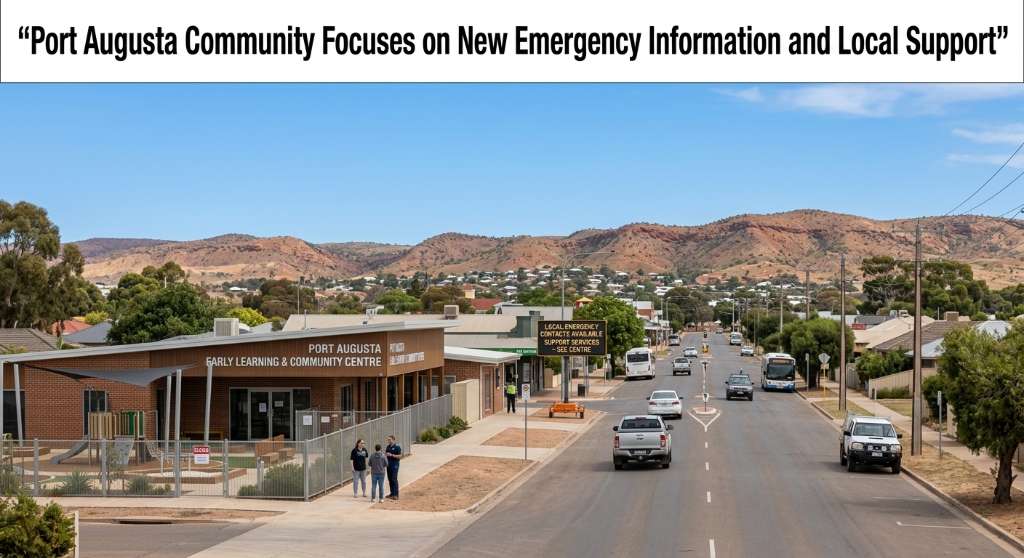
New community information initiatives are helping residents access emergency warnings and local support as Port Augusta and the wider region prepare for...
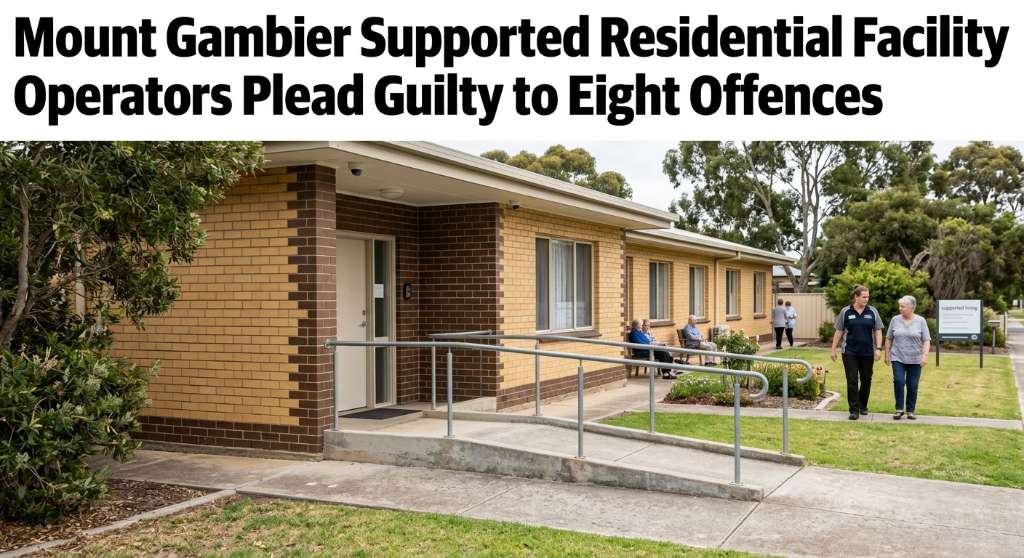
A 44-year-old man has been jailed after police found suspected methamphetamine, GHB and more than $40,000 in cash before he travelled towards Mount Gamb...
Cairns Regional Council has unanimously voted to seek $400,000 in Queensland Government funding for a program designed to connect local businesses with the region’s growing film...
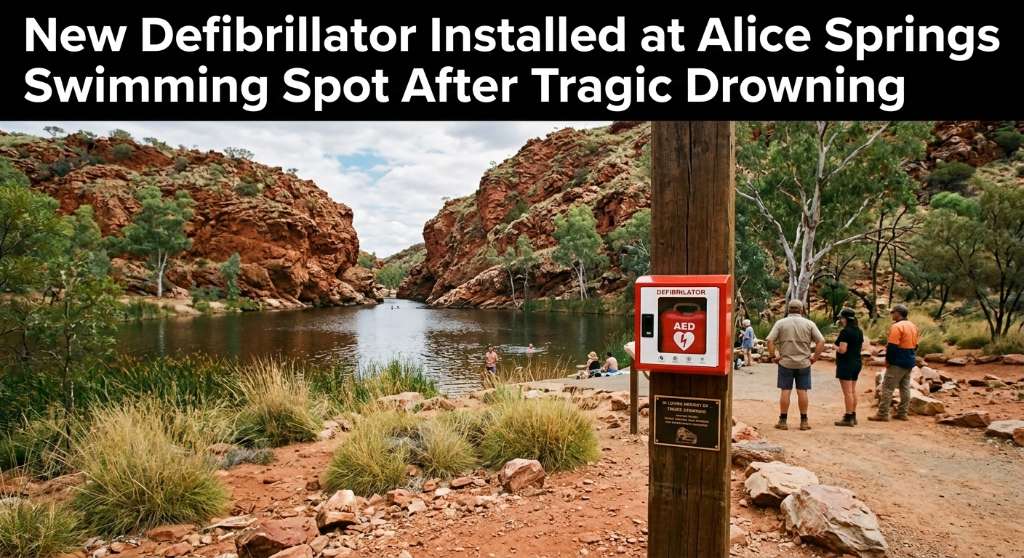
An automated external defibrillator and memorial plaque have been installed at Ellery Creek Big Hole following the death of disability advocate Ellen Fr...
Queensland firefighters spent several hours monitoring a significant grass fire at Mary Kinross Park in Bargara, near Bundaberg, after the blaze broke out on Wednesday evening....