Safety note: Admin approval is an initial review, not a guarantee that every detail is correct. Check important or urgent claims with official sources and report anything inaccurate or unsafe.
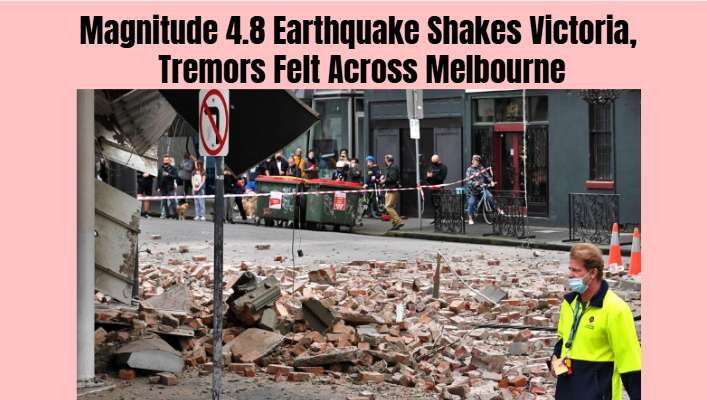
A magnitude 4.8 earthquake struck near Leongatha in Victoria early Saturday morning, shaking homes across south-east Australia, waking residents and prompting thousands of reports to Geoscience Australia.
A magnitude 4.8 earthquake struck near Leongatha in South Gippsland, Victoria, at approximately 2:01 am on Saturday, 3 October 2026. The tremor was felt across a wide area of south-east Australia, including Melbourne, where residents reported being woken by the shaking.
According to Geoscience Australia , the earthquake occurred about 130 kilometres south-east of Melbourne, at an estimated depth of 10 kilometres. Thousands of people submitted reports describing the tremor, with residents from Melbourne's eastern suburbs and regional communities reporting noticeable shaking.
Residents in areas including Narre Warren, Garfield, Preston, Heidelberg Heights and Venus Bay reported feeling the earthquake. Some described being abruptly woken as their homes shook, while others noticed rattling windows, furniture and household objects.
The earthquake was among the strongest recorded in Victoria since a magnitude 5.0 earthquake in 2023. A magnitude 3.1 aftershock was recorded around 55 minutes after the main tremor. A separate magnitude 3.3 earthquake had also occurred near Yarram two days earlier, although authorities have not established that the events were directly connected.
Earthquakes occur when stress built up in the Earth's crust is released suddenly, causing rocks to move along a fault. The resulting seismic waves travel through the ground and can be felt over large distances, depending on the earthquake's magnitude, depth, geology and distance from populated areas.
Earthquake expert Mark Quigley from the University of Melbourne explained that the event involved a sudden movement of rock. South Gippsland is a seismically active region, and earthquakes can occur there even though Victoria does not experience them as frequently as some other parts of the world.
Victoria's State Emergency Service reminded residents of standard earthquake safety procedures. People indoors should drop to the ground, take cover beneath sturdy furniture, protect their head and neck, and hold on until the shaking stops. Residents are also encouraged to secure heavy furniture and objects that could fall during future tremors.
The Bureau of Meteorology confirmed that there was no tsunami threat associated with the earthquake. Authorities had not reported widespread major damage in the initial coverage, but residents were encouraged to report damage and follow official emergency advice.
The earthquake served as a reminder that seismic activity can affect communities across Victoria, including areas where strong tremors are relatively uncommon. Geoscience Australia continues to collect public reports to help assess where the earthquake was felt and understand its impact.
EarthquakeMagnitudeResidentsVictoriaMelbourne
A magnitude 4.8 earthquake struck near Leongatha in South Gippsland, Victoria, at approximately 2:01 am on Saturday, 3 October 2026. The tremor was felt across a wide area of south-east Australia, including Melbourne, where residents reported being woken by the shaking.
According to Geoscience Australia , the earthquake occurred about 130 kilometres south-east of Melbourne, at an estimated depth of 10 kilometres. Thousands of people submitted reports describing the tremor, with residents from Melbourne's eastern suburbs and regional communities reporting noticeable shaking.
Residents in areas including Narre Warren, Garfield, Preston, Heidelberg Heights and Venus Bay reported feeling the earthquake. Some described being abruptly woken as their homes shook, while others noticed rattling windows, furniture and household objects.
The earthquake was among the strongest recorded in Victoria since a magnitude 5.0 earthquake in 2023. A magnitude 3.1 aftershock was recorded around 55 minutes after the main tremor. A separate magnitude 3.3 earthquake had also occurred near Yarram two days earlier, although authorities have not established that the events were directly connected.
Earthquakes occur when stress built up in the Earth's crust is released suddenly, causing rocks to move along a fault. The resulting seismic waves travel through the ground and can be felt over large distances, depending on the earthquake's magnitude, depth, geology and distance from populated areas.
Earthquake expert Mark Quigley from the University of Melbourne explained that the event involved a sudden movement of rock. South Gippsland is a seismically active region, and earthquakes can occur there even though Victoria does not experience them as frequently as some other parts of the world.
Victoria's State Emergency Service reminded residents of standard earthquake safety procedures. People indoors should drop to the ground, take cover beneath sturdy furniture, protect their head and neck, and hold on until the shaking stops. Residents are also encouraged to secure heavy furniture and objects that could fall during future tremors.
The Bureau of Meteorology confirmed that there was no tsunami threat associated with the earthquake. Authorities had not reported widespread major damage in the initial coverage, but residents were encouraged to report damage and follow official emergency advice.
The earthquake served as a reminder that seismic activity can affect communities across Victoria, including areas where strong tremors are relatively uncommon. Geoscience Australia continues to collect public reports to help assess where the earthquake was felt and understand its impact.
Emergency crews are battling a car fire that spread to nearby grass in South Trees, Gladstone, with five fire crews responding to the incident on Wednes...
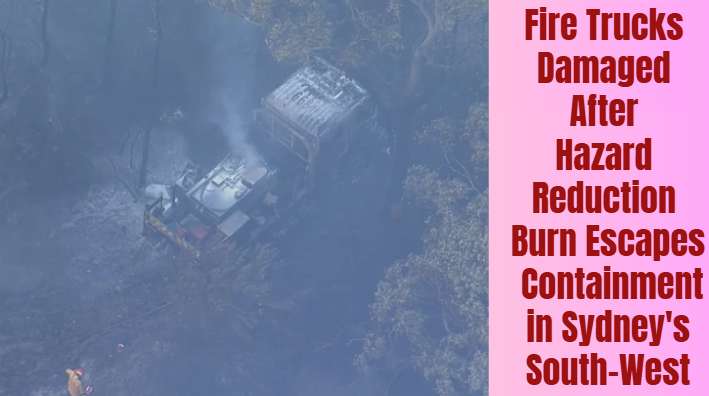
Multiple Rural Fire Service trucks were damaged after a planned hazard reduction burn at Wedderburn in Sydney's south-west escaped containment on Saturday.
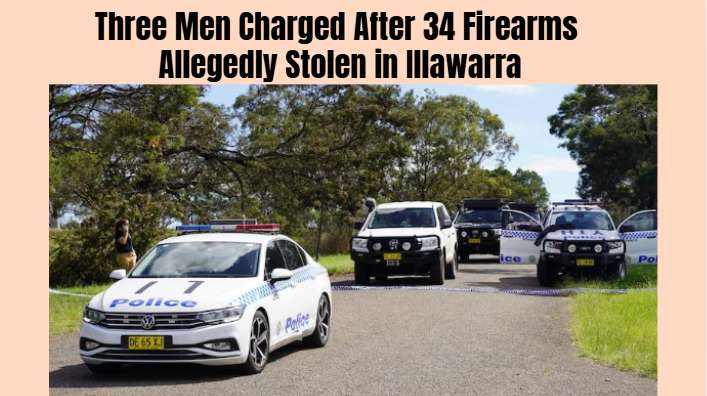
Three men have been charged following an investigation into the alleged theft of 34 firearms, ammunition and jewellery from a property in Kanahooka, sou...
A man has died after his car struck a tree at Carrs Creek, north of Grafton, in New South Wales. Police have established a crime scene and are investiga...
Two men have been charged after a series of police raids across Cessnock, Denman, Muswellbrook and Singleton Heights uncovered 1,465 cannabis plants, wi...
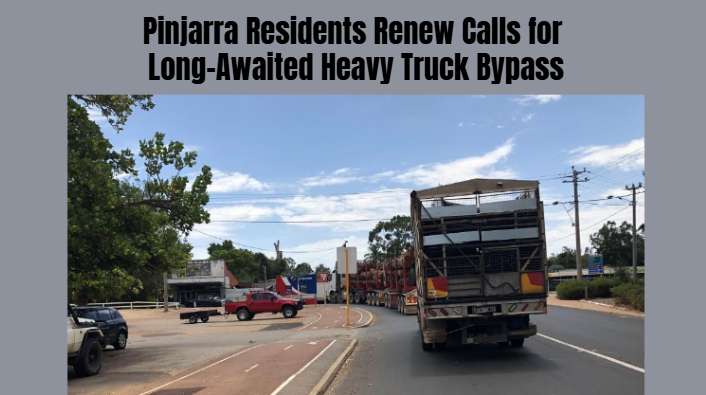
Around 800 heavy haulage trucks travel through Pinjarra each day, prompting renewed calls for a bypass to improve road safety, reduce congestion and eas...
Three men have been charged following an investigation into the alleged theft of 34 firearms, ammunition and jewellery from a property in Kanahooka, sou...
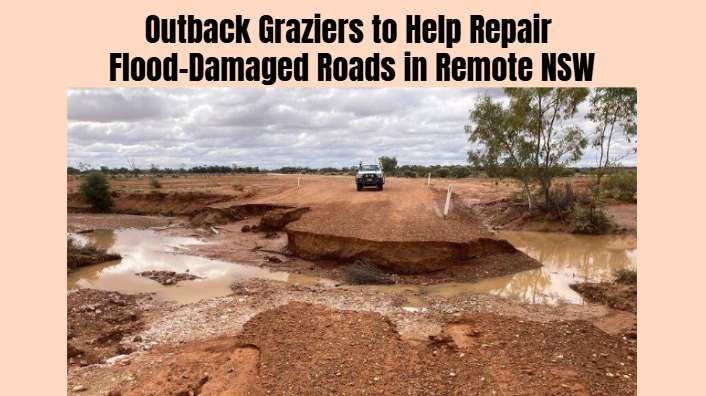
Transport for NSW plans to hire local graziers and station owners to help repair roads damaged by months of heavy rain in the state’s Far West. However,...
A man has died after his car struck a tree at Carrs Creek, north of Grafton, in New South Wales. Police have established a crime scene and are investiga...
A man has been arrested in South Australia’s Mid North after an investigation into alleged online threats against police officers. He was refused bail f...