Safety note: Admin approval is an initial review, not a guarantee that every detail is correct. Check important or urgent claims with official sources and report anything inaccurate or unsafe.
Source and credit: Contributor's own report
Man rescued from car rooftop as South Australia begins storm clean-up - Adelaide, SA
Smart summary
A 73-year-old man was rescued after becoming stranded on the roof of his vehicle in floodwaters at Finniss, while emergency crews across South Australia continue clearing debris and responding to widespread storm dama...
Emergency crews across South Australia are continuing extensive clean-up operations after days of severe weather caused flooding, fallen trees, overflowing waterways and widespread damage across several regions. The dangerous conditions prompted dozens of emergency responses, including a dramatic swift-water rescue after a motorist became trapped in rising floodwaters south of Adelaide.
The rescue occurred on Thursday night at Winery Road, Finniss, about 75 kilometres south of Adelaide. Police said the 73-year-old driver from Clayton Bay attempted to drive his Isuzu utility through a section of road that had been closed because of flooding. Despite warning signs indicating the road was unsafe, the man entered the floodwater before his vehicle stalled as water rose to the level of the driver's seat and flooded the engine.
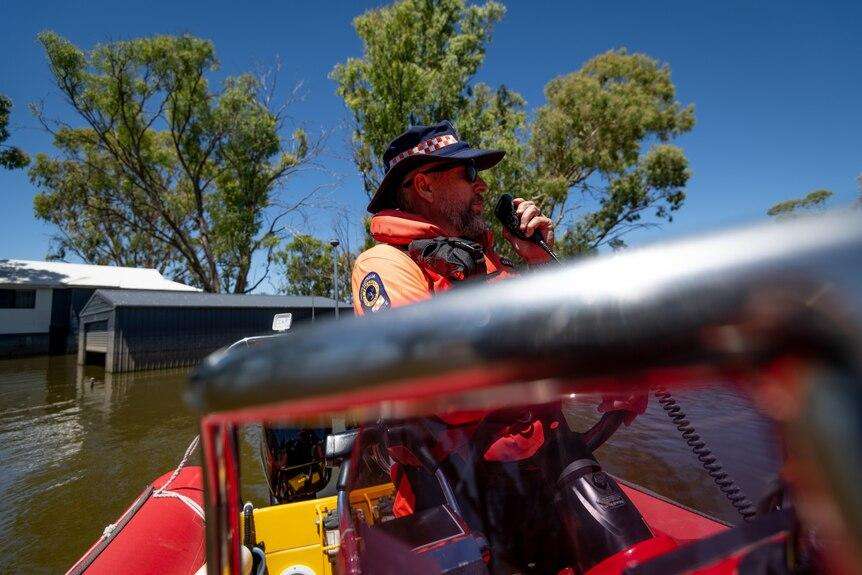
After realising he could not escape by driving, the man climbed out through the vehicle's window and sat on the roof while waiting for help. South Australian State Emergency Service (SES) swift-water rescue specialists responded quickly, wading more than 100 metres through floodwaters to safely reach and rescue him. He was brought back to dry land without suffering any physical injuries, although his vehicle remained stranded until floodwaters subsided.
The incident has reinforced emergency authorities' repeated warning for motorists to avoid flooded roads. SES officials again reminded drivers of the simple message: "If it's flooded, forget it." Even shallow floodwaters can conceal road damage, strong currents or rapidly rising water capable of sweeping away vehicles.
While the rescue attracted significant attention, it was only one of hundreds of incidents handled by emergency services during the severe weather event. Over recent days, the SES received more than 430 requests for assistance, responding to flooding, damaged buildings, fallen trees and concerns about private dams threatened by rising water levels. Engineers and SES crews worked together to stabilise several dams, including one at Ironbank, where water levels were lowered and protective sandbagging was installed to prevent a possible breach.
Clean-up operations were also underway along the Patawalonga waterway near Glenelg, where stormwater, debris, seaweed and mud accumulated after heavy rainfall combined with high tides and storm surge. Contractors began removing fallen branches and sediment from walkways, while environmental authorities assessed local infrastructure affected by the flooding. At Bridgewater, floodwaters from Cox Creek inundated the changerooms of the Bridgewater Raiders Football Club, leaving volunteers to begin recovery efforts once water levels receded.
According to the Bureau of Meteorology, severe weather conditions have now eased across most of South Australia, with no additional widespread warnings in place. However, authorities caution that rivers, creeks and dams remain above normal levels, and damaged roads, saturated ground and fallen debris continue to present hazards. Private dam owners have been encouraged to inspect their properties using SES safety guidance before returning to normal operations.
Emergency services are urging residents to remain cautious during the recovery period, continue monitoring official weather updates and obey all road closure signs. Officials stress that avoiding unnecessary travel through flood-affected areas remains the safest way to prevent further rescues and protect both the public and emergency responders.
EmergencySouthFloodwatersRescueRoad
Emergency crews across South Australia are continuing extensive clean-up operations after days of severe weather caused flooding, fallen trees, overflowing waterways and widespread damage across several regions. The dangerous conditions prompted dozens of emergency responses, including a dramatic swift-water rescue after a motorist became trapped in rising floodwaters south of Adelaide.
The rescue occurred on Thursday night at Winery Road, Finniss, about 75 kilometres south of Adelaide. Police said the 73-year-old driver from Clayton Bay attempted to drive his Isuzu utility through a section of road that had been closed because of flooding. Despite warning signs indicating the road was unsafe, the man entered the floodwater before his vehicle stalled as water rose to the level of the driver's seat and flooded the engine.
After realising he could not escape by driving, the man climbed out through the vehicle's window and sat on the roof while waiting for help. South Australian State Emergency Service (SES) swift-water rescue specialists responded quickly, wading more than 100 metres through floodwaters to safely reach and rescue him. He was brought back to dry land without suffering any physical injuries, although his vehicle remained stranded until floodwaters subsided.
The incident has reinforced emergency authorities' repeated warning for motorists to avoid flooded roads. SES officials again reminded drivers of the simple message: "If it's flooded, forget it." Even shallow floodwaters can conceal road damage, strong currents or rapidly rising water capable of sweeping away vehicles.
While the rescue attracted significant attention, it was only one of hundreds of incidents handled by emergency services during the severe weather event. Over recent days, the SES received more than 430 requests for assistance, responding to flooding, damaged buildings, fallen trees and concerns about private dams threatened by rising water levels. Engineers and SES crews worked together to stabilise several dams, including one at Ironbank, where water levels were lowered and protective sandbagging was installed to prevent a possible breach.
Clean-up operations were also underway along the Patawalonga waterway near Glenelg, where stormwater, debris, seaweed and mud accumulated after heavy rainfall combined with high tides and storm surge. Contractors began removing fallen branches and sediment from walkways, while environmental authorities assessed local infrastructure affected by the flooding. At Bridgewater, floodwaters from Cox Creek inundated the changerooms of the Bridgewater Raiders Football Club, leaving volunteers to begin recovery efforts once water levels receded.
According to the Bureau of Meteorology, severe weather conditions have now eased across most of South Australia, with no additional widespread warnings in place. However, authorities caution that rivers, creeks and dams remain above normal levels, and damaged roads, saturated ground and fallen debris continue to present hazards. Private dam owners have been encouraged to inspect their properties using SES safety guidance before returning to normal operations.
Emergency services are urging residents to remain cautious during the recovery period, continue monitoring official weather updates and obey all road closure signs. Officials stress that avoiding unnecessary travel through flood-affected areas remains the safest way to prevent further rescues and protect both the public and emergency responders.
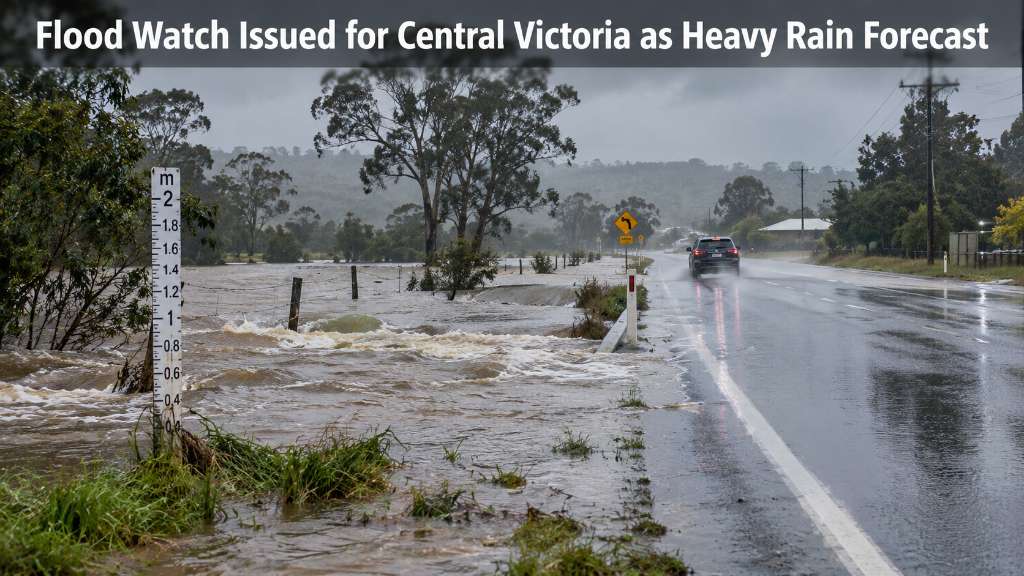
A flood watch is in place across parts of Victoria, with Ballarat and surrounding Central Victorian catchments facing the risk of minor to moderate floo...
Researchers are warning communities along South Australia's Lower Murray to prepare for more frequent flash droughts, with above-average temperatures fo...
Heavy and near-record rainfall has inundated parts of Western Australia's Goldfields and Esperance region, damaging pastoral properties and forcing the...
A 48-hour burst of heavy rain has brought almost 100 millimetres to parts of Western Australia, damaging some crops while providing welcome moisture bef...
A 17-year-old passenger died after a station wagon crashed into a Stobie pole at Elizabeth Vale early Wednesday morning. An 18-year-old learner driver h...
A 35-year-old Adelaide man has been arrested and charged after allegedly entering a construction site in the CBD and removing property early Wednesday m...
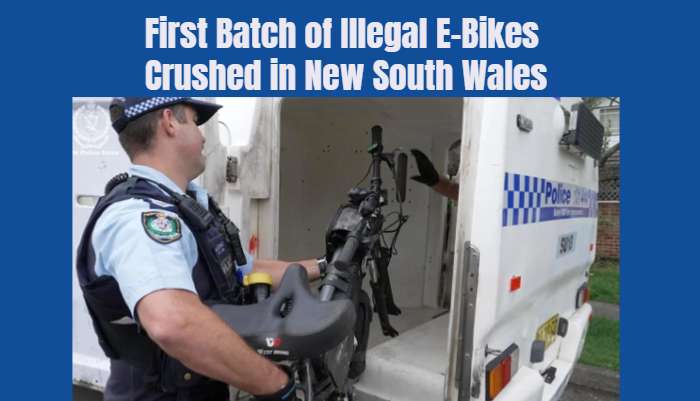
Authorities have crushed 23 confiscated electric bikes in Blacktown under new laws targeting non-compliant e-bikes, following a joint enforcement operat...
Thousands of Victorian doctors and allied health professionals have begun industrial action over stalled negotiations on pay and working conditions, wit...