Safety note: Admin approval is an initial review, not a guarantee that every detail is correct. Check important or urgent claims with official sources and report anything inaccurate or unsafe.
Source and credit: Contributor's own report
Manning River Restoration Projects Continue Across Taree - Taree, NSW
Smart summary
Environmental works focus on improving river health, stabilising riverbanks and protecting local ecosystems.
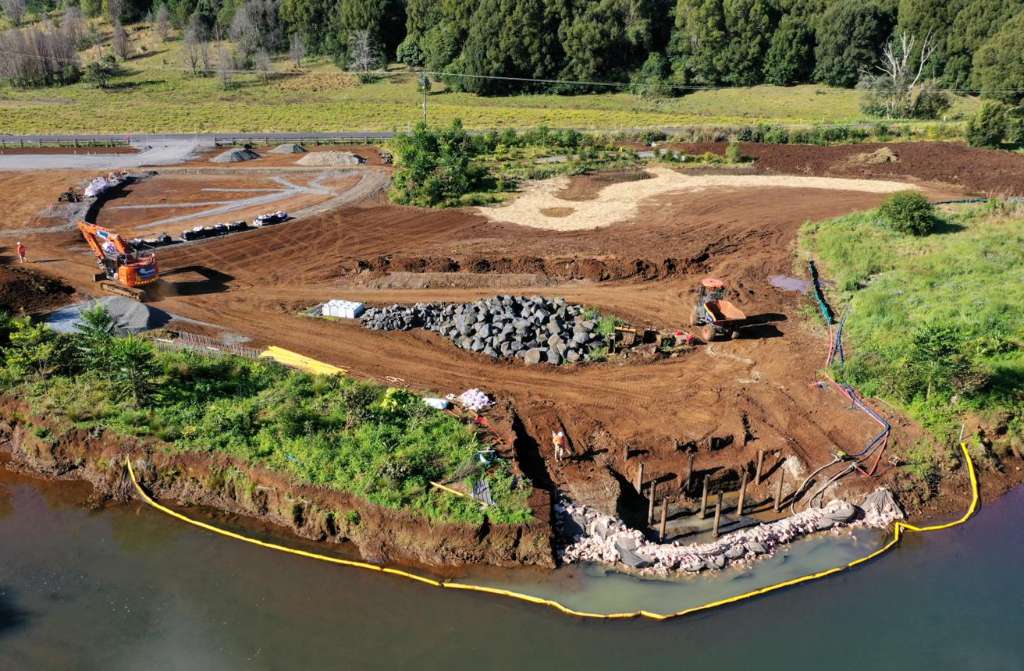
Environmental restoration work is continuing along sections of the Manning River in Taree as Mid Coast Council advances projects aimed at improving river health and protecting important natural habitats. The initiatives include riverbank stabilisation, erosion control, native vegetation planting and long-term environmental monitoring.
The Manning River is one of the Mid North Coast's most significant waterways, supporting local communities, agriculture, tourism and wildlife. Healthy river systems are important for maintaining water quality, reducing erosion and protecting fish and bird habitats.
Council officers and environmental specialists are working with landowners and community groups to restore degraded riverbank areas. Native trees, shrubs and grasses are being planted to strengthen the banks and reduce sediment entering the river during heavy rainfall. These measures also help create habitat for local wildlife.
The restoration program forms part of broader efforts to improve the resilience of waterways following periods of flooding and changing environmental conditions. Stabilising riverbanks can reduce future damage while supporting healthier aquatic ecosystems throughout the Manning Valley.
Community volunteers have also contributed to environmental activities, including tree planting and habitat restoration. Local schools and conservation groups continue participating in projects that encourage environmental awareness and long-term stewardship of the river.
Authorities say protecting the Manning River benefits both the environment and the regional economy. The river supports recreational fishing, boating, tourism and agriculture, making it an important natural asset for the Taree region.
Environmental monitoring will continue throughout the project to assess vegetation growth, riverbank stability and water quality improvements. The collected data will help guide future conservation initiatives across the Mid Coast region.
Council has encouraged residents to support local environmental programs by protecting native vegetation, reporting pollution incidents and participating in community restoration events where possible.
The ongoing investment in river restoration demonstrates a commitment to preserving one of regional New South Wales' most valuable natural resources for future generations while improving resilience against environmental challenges.
RiverEnvironmentalRestorationManningProtecting
Environmental restoration work is continuing along sections of the Manning River in Taree as Mid Coast Council advances projects aimed at improving river health and protecting important natural habitats. The initiatives include riverbank stabilisation, erosion control, native vegetation planting and long-term environmental monitoring.
The Manning River is one of the Mid North Coast's most significant waterways, supporting local communities, agriculture, tourism and wildlife. Healthy river systems are important for maintaining water quality, reducing erosion and protecting fish and bird habitats.
Council officers and environmental specialists are working with landowners and community groups to restore degraded riverbank areas. Native trees, shrubs and grasses are being planted to strengthen the banks and reduce sediment entering the river during heavy rainfall. These measures also help create habitat for local wildlife.
The restoration program forms part of broader efforts to improve the resilience of waterways following periods of flooding and changing environmental conditions. Stabilising riverbanks can reduce future damage while supporting healthier aquatic ecosystems throughout the Manning Valley.
Community volunteers have also contributed to environmental activities, including tree planting and habitat restoration. Local schools and conservation groups continue participating in projects that encourage environmental awareness and long-term stewardship of the river.
Authorities say protecting the Manning River benefits both the environment and the regional economy. The river supports recreational fishing, boating, tourism and agriculture, making it an important natural asset for the Taree region.
Environmental monitoring will continue throughout the project to assess vegetation growth, riverbank stability and water quality improvements. The collected data will help guide future conservation initiatives across the Mid Coast region.
Council has encouraged residents to support local environmental programs by protecting native vegetation, reporting pollution incidents and participating in community restoration events where possible.
The ongoing investment in river restoration demonstrates a commitment to preserving one of regional New South Wales' most valuable natural resources for future generations while improving resilience against environmental challenges.
A Bendigo-based migration agent has raised concerns about proposed changes to Australia’s migration system, saying the federal government’s planned reduction in net migration co...
Bendigo Foodshare is seeking additional volunteers ahead of its annual Spring Book Fair, with multiple shifts still available during the AFL Grand Final long weekend. The local...
An automated external defibrillator and memorial plaque have been installed at Ellery Creek Big Hole following the death of disability advocate Ellen Fr...
Bathurst New South Wales · Community News · 17 Sep 2026
Kerry “Pecky” Peck, a long-standing Bathurst radio personality, has been inducted into the Bathurst Business Hall of Fame in recognition of his extensive contribution to the loc...
A sharp rise in influenza cases is putting sustained pressure on Albury Wodonga Health, with doctors asked to consider earlier discharges and alternativ...
A 21-year-old man has been charged after investigators allege more than $2 million in suspected criminal proceeds moved through high-frequency, low-valu...
Newcastle New South Wales · Travel News · 19 Sep 2026
A driver has come under police investigation in Newcastle after allegedly being detected travelling at 148km/h on the M1 on 19 September 2026. The incident is listed among Newca...
Emergency services were called to a home on Chambers Avenue in Bondi Beach at about 5:15pm on Saturday, 19 September 2026, following reports of a stabbing. NSW Police and parame...