Safety note: Admin approval is an initial review, not a guarantee that every detail is correct. Check important or urgent claims with official sources and report anything inaccurate or unsafe.
Source and credit: Contributor's own report
More heavy rain forecast for WA after destructive cold front batters Perth and South West. - Perth, WA
Smart summary
Western Australia is bracing for another round of severe weather after a powerful cold front brought damaging winds, heavy rainfall and widespread power outages across Perth and the South West, with authorities warnin...
Western Australians are being urged to prepare for further severe weather after a powerful cold front swept across Perth and the South West, bringing destructive winds, heavy rain and dangerous conditions that caused widespread disruption.
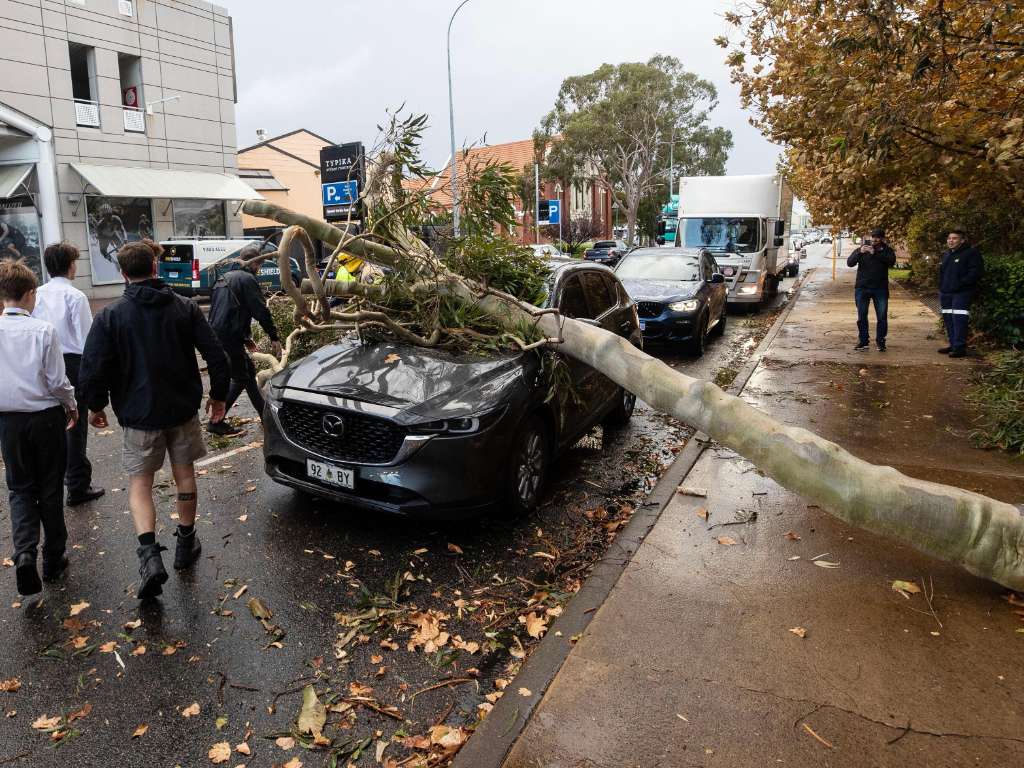
The weather system moved across the state's south-west on Friday, producing wind gusts exceeding 100 km/h in some coastal areas, toppling trees, damaging powerlines and leaving thousands of homes and businesses without electricity. Emergency services responded to hundreds of calls for assistance as fallen branches blocked roads, damaged properties and created hazardous travel conditions.
The Bureau of Meteorology (Bo M) warned that another cold front is expected to move through the region during the weekend, bringing additional rainfall, strong winds and rough coastal conditions. Forecasters say saturated ground from the first system increases the risk of trees falling during the next bout of severe weather, particularly in areas already affected by strong winds.
Heavy rainfall was recorded across parts of the Perth metropolitan area, the South West, the Lower West, the South Coastal region and the Great Southern, with some locations receiving significant totals in a relatively short period. Rivers and local waterways also experienced rises, while low-lying roads were temporarily affected by flash flooding.
Power provider Western Power worked throughout the day to restore electricity to thousands of customers after the storm damaged the distribution network. Repair crews faced challenging conditions due to fallen trees, strong winds and ongoing rain, with restoration efforts continuing in several suburbs and regional communities.
The State Emergency Service (SES) received numerous requests for assistance, mainly involving roof damage, fallen trees, damaged fences and hazardous debris. Authorities reminded residents to avoid unnecessary travel during severe weather and to stay well clear of fallen powerlines, which should always be treated as live.
The Bureau advised residents to secure outdoor furniture, trampolines and other loose items before the arrival of the next weather system. Drivers have also been warned to take extra care, particularly on flooded roads and in areas where reduced visibility and strong crosswinds may create dangerous driving conditions.
Marine conditions remain particularly hazardous, with damaging surf and large waves expected along parts of the west and south coasts. Boaters and fishers have been urged to postpone trips until conditions improve, while beachgoers are advised to avoid rock platforms due to the risk of large waves sweeping people into the ocean.
Emergency management agencies continue to monitor the developing weather situation closely and have encouraged residents to stay informed through official weather forecasts and emergency warnings. Authorities say communities should prepare for the possibility of further power outages and storm damage as the next cold front approaches.
While the worst conditions are expected to ease early next week, forecasters say unsettled weather will likely continue across southern Western Australia, with additional showers and gusty winds expected in the days ahead. Residents are encouraged to remain alert and follow advice from emergency services as recovery efforts continue.
ConditionsWeatherEmergencySouthWest
Western Australians are being urged to prepare for further severe weather after a powerful cold front swept across Perth and the South West, bringing destructive winds, heavy rain and dangerous conditions that caused widespread disruption.
The weather system moved across the state's south-west on Friday, producing wind gusts exceeding 100 km/h in some coastal areas, toppling trees, damaging powerlines and leaving thousands of homes and businesses without electricity. Emergency services responded to hundreds of calls for assistance as fallen branches blocked roads, damaged properties and created hazardous travel conditions.
The Bureau of Meteorology (Bo M) warned that another cold front is expected to move through the region during the weekend, bringing additional rainfall, strong winds and rough coastal conditions. Forecasters say saturated ground from the first system increases the risk of trees falling during the next bout of severe weather, particularly in areas already affected by strong winds.
Heavy rainfall was recorded across parts of the Perth metropolitan area, the South West, the Lower West, the South Coastal region and the Great Southern, with some locations receiving significant totals in a relatively short period. Rivers and local waterways also experienced rises, while low-lying roads were temporarily affected by flash flooding.
Power provider Western Power worked throughout the day to restore electricity to thousands of customers after the storm damaged the distribution network. Repair crews faced challenging conditions due to fallen trees, strong winds and ongoing rain, with restoration efforts continuing in several suburbs and regional communities.
The State Emergency Service (SES) received numerous requests for assistance, mainly involving roof damage, fallen trees, damaged fences and hazardous debris. Authorities reminded residents to avoid unnecessary travel during severe weather and to stay well clear of fallen powerlines, which should always be treated as live.
The Bureau advised residents to secure outdoor furniture, trampolines and other loose items before the arrival of the next weather system. Drivers have also been warned to take extra care, particularly on flooded roads and in areas where reduced visibility and strong crosswinds may create dangerous driving conditions.
Marine conditions remain particularly hazardous, with damaging surf and large waves expected along parts of the west and south coasts. Boaters and fishers have been urged to postpone trips until conditions improve, while beachgoers are advised to avoid rock platforms due to the risk of large waves sweeping people into the ocean.
Emergency management agencies continue to monitor the developing weather situation closely and have encouraged residents to stay informed through official weather forecasts and emergency warnings. Authorities say communities should prepare for the possibility of further power outages and storm damage as the next cold front approaches.
While the worst conditions are expected to ease early next week, forecasters say unsettled weather will likely continue across southern Western Australia, with additional showers and gusty winds expected in the days ahead. Residents are encouraged to remain alert and follow advice from emergency services as recovery efforts continue.
Three separate earthquakes were recorded near Port Hedland in Western Australia over the weekend, with more than 100 reports submitted to Geoscience Aus...
Australian tennis player Talia Gibson has reached her first WTA Tour-level singles final at the Singapore Open after Tatiana Prozorova withdrew from the...
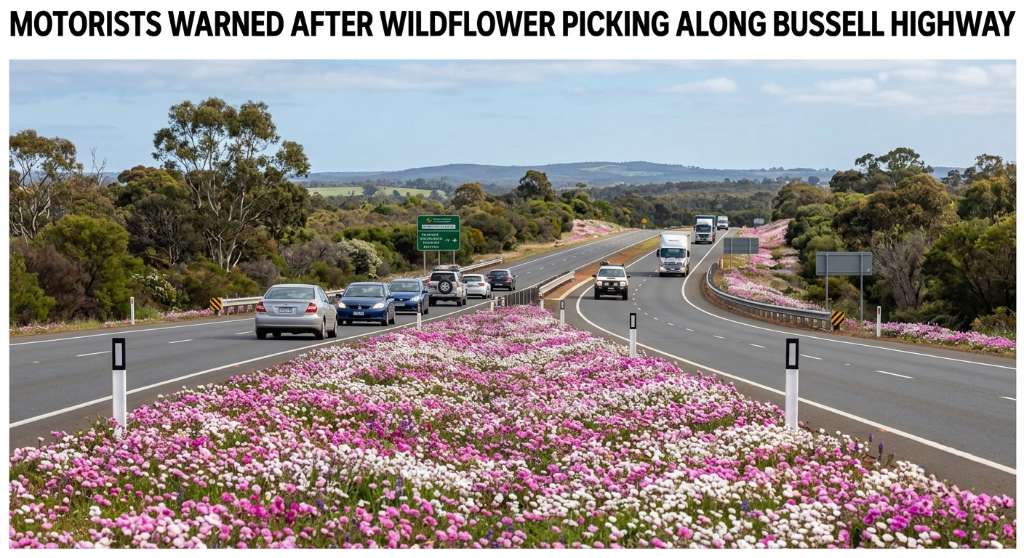
Drivers stopping to pick or photograph colourful everlasting wildflowers along Western Australia’s Bussell Highway are being warned about serious road-s...
Three separate earthquakes were recorded near Port Hedland in Western Australia over the weekend, with more than 100 reports submitted to Geoscience Aus...
A growing number of young Australians are taking up birdwatching, bringing fresh interest to the Broome Bird Observatory and the migratory shorebirds of...
A 50-year-old man has died after being struck by a vehicle in Fernvale, west of Brisbane, with police launching a homicide investigation and arresting a...
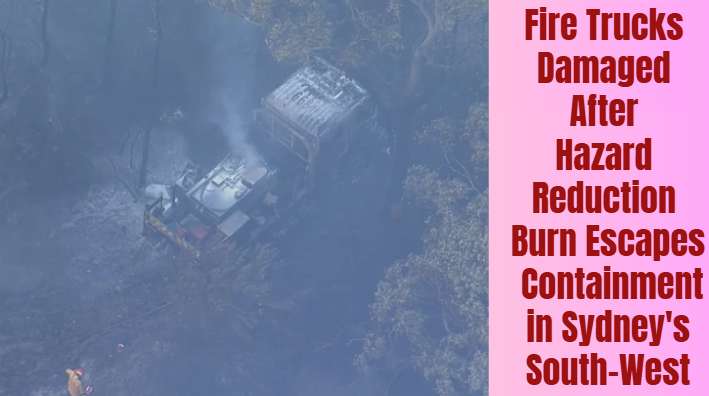
Multiple Rural Fire Service trucks were damaged after a planned hazard reduction burn at Wedderburn in Sydney's south-west escaped containment on Saturday.
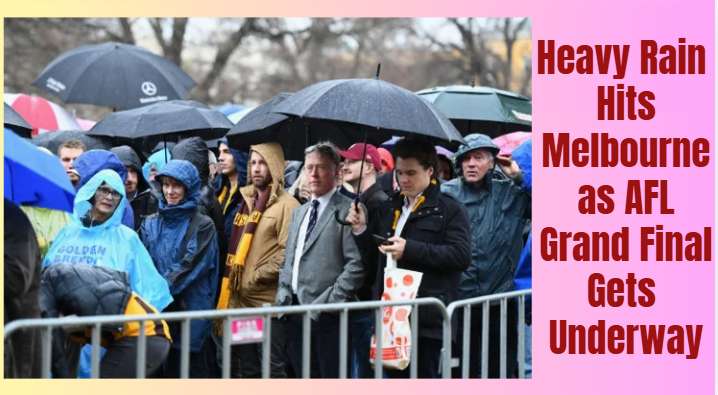
Wet conditions at the Melbourne Cricket Ground are creating difficult conditions for the AFL Grand Final, while poor weather has also disrupted flights...
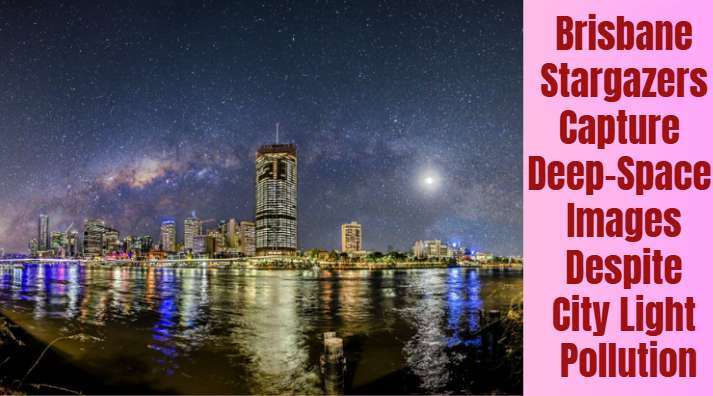
Amateur astronomers are using new telescope technology to photograph the Moon, planets and distant galaxies from Brisbane homes, showing that city skies...