Mulligan Geotechnical fined over Khancoban tree-fall workplace incident
By Neha · Published 24 Jun 2026 · Updated 24 Jun 2026
Albury, NSW · New South Wales News
Safety note: Admin approval is an initial review, not a guarantee that every detail is correct. Check important or urgent claims with official sources and report anything inaccurate or unsafe.
A Khancoban-based geotechnical drilling company has been fined after a worker suffered serious injuries when struck by a falling tree during work activities, with the court finding failures in workplace safety controls.
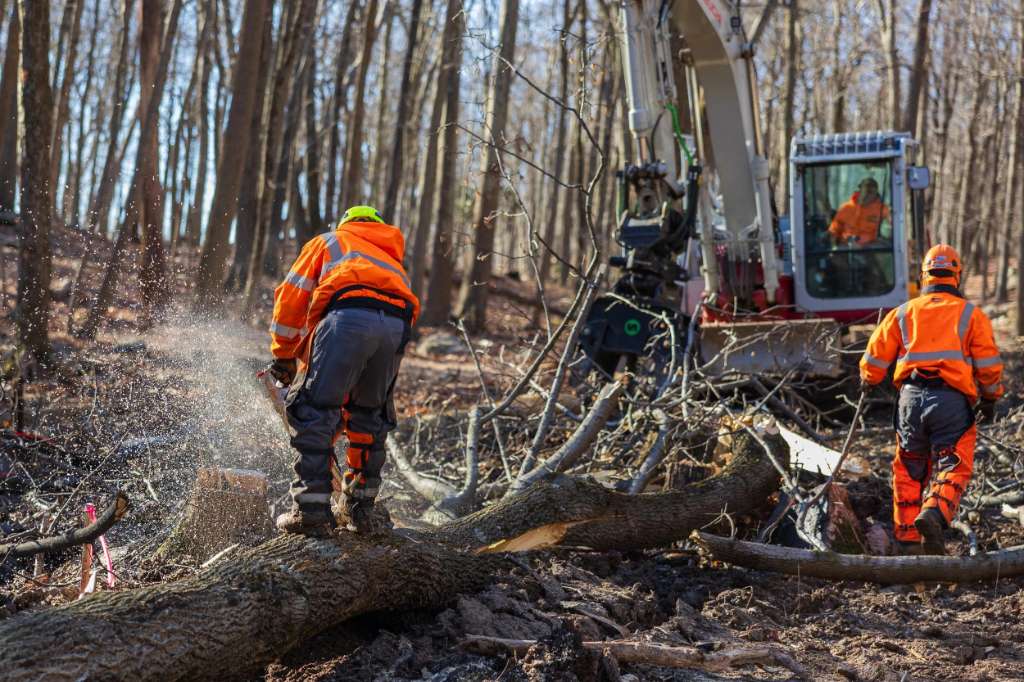
A geotechnical drilling company based in the Snowy Mountains region has been fined following a workplace incident in which a worker sustained serious injuries after being struck by a falling tree. The case has highlighted the importance of maintaining strict safety procedures when undertaking work in environments where falling objects and vegetation removal present significant hazards.
The incident involved Khancoban-based company Mulligan Geotechnical, which appeared before the Industrial Court over breaches of workplace health and safety obligations. The court heard that the worker was injured while work was being carried out in an area where tree-felling operations were occurring. During the activity, part of a tree fell and struck the worker, causing serious injuries.
Safe Work NSW investigated the incident and alleged that adequate safety controls were not in place to sufficiently protect workers from the risk of being hit by falling trees or branches. Workplace safety authorities argued that known risk-management measures should have been implemented to reduce the likelihood of such an incident occurring. These measures commonly include exclusion zones, clear communication procedures, supervision, and ensuring workers remain outside danger areas during tree-felling activities. Similar Safe Work NSW prosecutions have emphasised that controls for falling-object hazards are well established within industry.
The court found the company had failed to meet its obligations under workplace safety legislation and imposed a financial penalty. The case serves as a reminder that employers have a legal responsibility to identify workplace hazards, assess risks and implement appropriate controls to protect employees and contractors.
Workplace safety experts note that tree-felling and vegetation-clearing operations can be particularly dangerous because falling timber can behave unpredictably. Even experienced workers can be seriously injured if proper exclusion zones and safety procedures are not followed. Risk assessments, site-specific safety plans and ongoing supervision are considered essential elements of safe operations in such environments.
The prosecution reflects broader efforts by Safe Work NSW to improve safety standards across high-risk industries, including construction, drilling, forestry and civil works. Regulators regularly remind businesses that workplace incidents involving falling objects remain a significant cause of serious injuries and fatalities across Australia. Companies are expected to take proactive steps to eliminate or minimise risks wherever reasonably practicable.
The court's decision reinforces the message that failing to adequately manage workplace hazards can result not only in severe injuries but also substantial legal and financial consequences. Safety authorities continue to encourage employers to review their procedures regularly and ensure workers receive appropriate training before undertaking hazardous activities.
While the injured worker survived the incident, the case underscores the potentially life-threatening nature of workplace accidents involving falling trees and heavy objects. The outcome is expected to serve as a warning to businesses operating in regional and outdoor industries that safety obligations must remain a priority at all times.
SafetyWorkplaceFallingIncidentWork
A geotechnical drilling company based in the Snowy Mountains region has been fined following a workplace incident in which a worker sustained serious injuries after being struck by a falling tree. The case has highlighted the importance of maintaining strict safety procedures when undertaking work in environments where falling objects and vegetation removal present significant hazards.
The incident involved Khancoban-based company Mulligan Geotechnical, which appeared before the Industrial Court over breaches of workplace health and safety obligations. The court heard that the worker was injured while work was being carried out in an area where tree-felling operations were occurring. During the activity, part of a tree fell and struck the worker, causing serious injuries.
Safe Work NSW investigated the incident and alleged that adequate safety controls were not in place to sufficiently protect workers from the risk of being hit by falling trees or branches. Workplace safety authorities argued that known risk-management measures should have been implemented to reduce the likelihood of such an incident occurring. These measures commonly include exclusion zones, clear communication procedures, supervision, and ensuring workers remain outside danger areas during tree-felling activities. Similar Safe Work NSW prosecutions have emphasised that controls for falling-object hazards are well established within industry.
The court found the company had failed to meet its obligations under workplace safety legislation and imposed a financial penalty. The case serves as a reminder that employers have a legal responsibility to identify workplace hazards, assess risks and implement appropriate controls to protect employees and contractors.
Workplace safety experts note that tree-felling and vegetation-clearing operations can be particularly dangerous because falling timber can behave unpredictably. Even experienced workers can be seriously injured if proper exclusion zones and safety procedures are not followed. Risk assessments, site-specific safety plans and ongoing supervision are considered essential elements of safe operations in such environments.
The prosecution reflects broader efforts by Safe Work NSW to improve safety standards across high-risk industries, including construction, drilling, forestry and civil works. Regulators regularly remind businesses that workplace incidents involving falling objects remain a significant cause of serious injuries and fatalities across Australia. Companies are expected to take proactive steps to eliminate or minimise risks wherever reasonably practicable.
The court's decision reinforces the message that failing to adequately manage workplace hazards can result not only in severe injuries but also substantial legal and financial consequences. Safety authorities continue to encourage employers to review their procedures regularly and ensure workers receive appropriate training before undertaking hazardous activities.
While the injured worker survived the incident, the case underscores the potentially life-threatening nature of workplace accidents involving falling trees and heavy objects. The outcome is expected to serve as a warning to businesses operating in regional and outdoor industries that safety obligations must remain a priority at all times.
Australian shoppers and small businesses are preparing for changes to card-payment surcharges, with new Reserve Bank rules due to take effect from Octob...
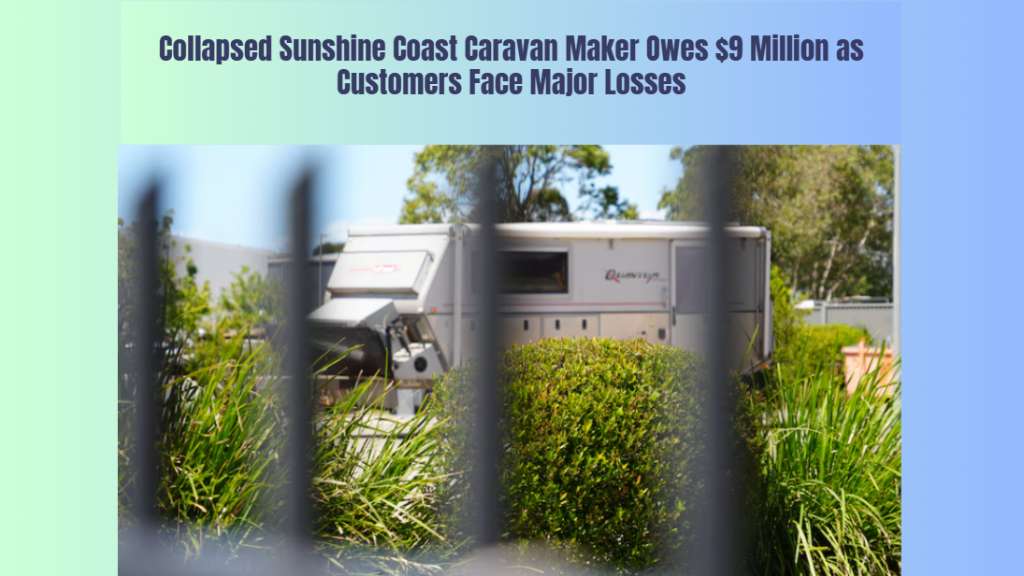
Administrators have revealed Australian Off Road owes about $9 million after the Sunshine Coast caravan manufacturer collapsed, leaving customers, emplo...
Bathurst New South Wales · Business News · 21 Sep 2026
Bathurst-based Bell Conveyancing has received three honours at the 2026 Carillon Business Awards, marking a significant recognition for the local business and its work in the re...
Brisbane is hosting a three-day national conference focused on critical minerals, supply chains, processing, investment and the future of Australia's re...
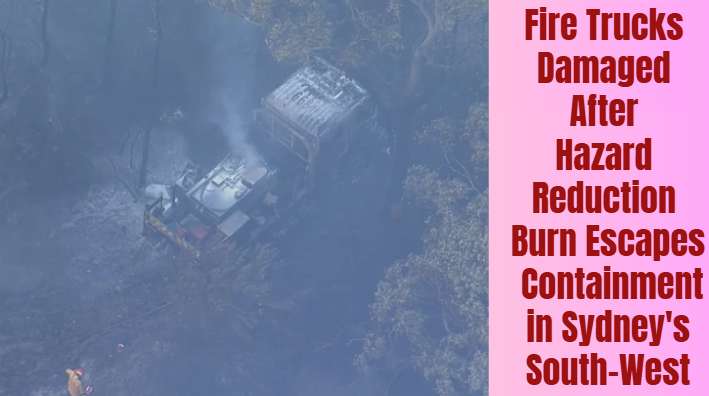
Multiple Rural Fire Service trucks were damaged after a planned hazard reduction burn at Wedderburn in Sydney's south-west escaped containment on Saturday.
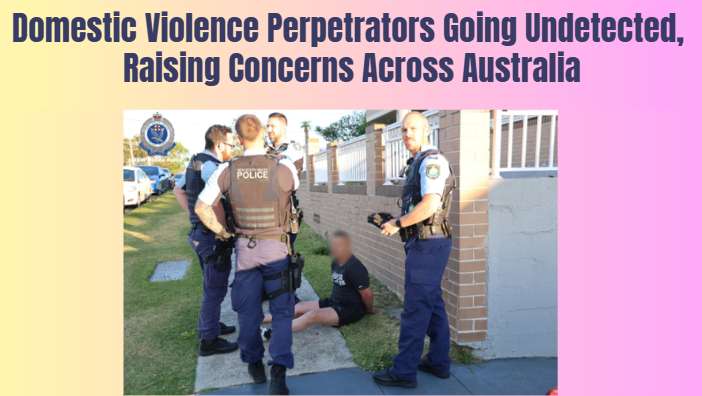
Recent domestic violence-related deaths in New South Wales have highlighted concerns about gaps in identifying alleged perpetrators before serious viole...
Australian health experts are warning that cat bites and scratches can cause severe infections, with hospitalisations from cat-related injuries nearly t...
A parliamentary petition calling for specialist endometriosis education in NSW public high schools has attracted more than 1,700 signatures, as health a...
A 50-year-old man has died after being struck by a vehicle in Fernvale, west of Brisbane, with police launching a homicide investigation and arresting a...
Multiple Rural Fire Service trucks were damaged after a planned hazard reduction burn at Wedderburn in Sydney's south-west escaped containment on Saturday.
Wet conditions at the Melbourne Cricket Ground are creating difficult conditions for the AFL Grand Final, while poor weather has also disrupted flights...
Amateur astronomers are using new telescope technology to photograph the Moon, planets and distant galaxies from Brisbane homes, showing that city skies...