Multicultural communities still struggle with emergency messaging in times of crisis
By Neha · Published 24 Jun 2026 · Updated 24 Jun 2026
Melbourne, Victoria · Victoria News
Safety note: Admin approval is an initial review, not a guarantee that every detail is correct. Check important or urgent claims with official sources and report anything inaccurate or unsafe.
Source and credit: Contributor's own report
Multicultural communities still struggle with emergency messaging in times of crisis - Melbourne, Victoria
Smart summary
Community leaders say language barriers, cultural differences and mistrust of authorities continue to leave some multicultural Australians vulnerable during bushfires, floods and other emergencies.
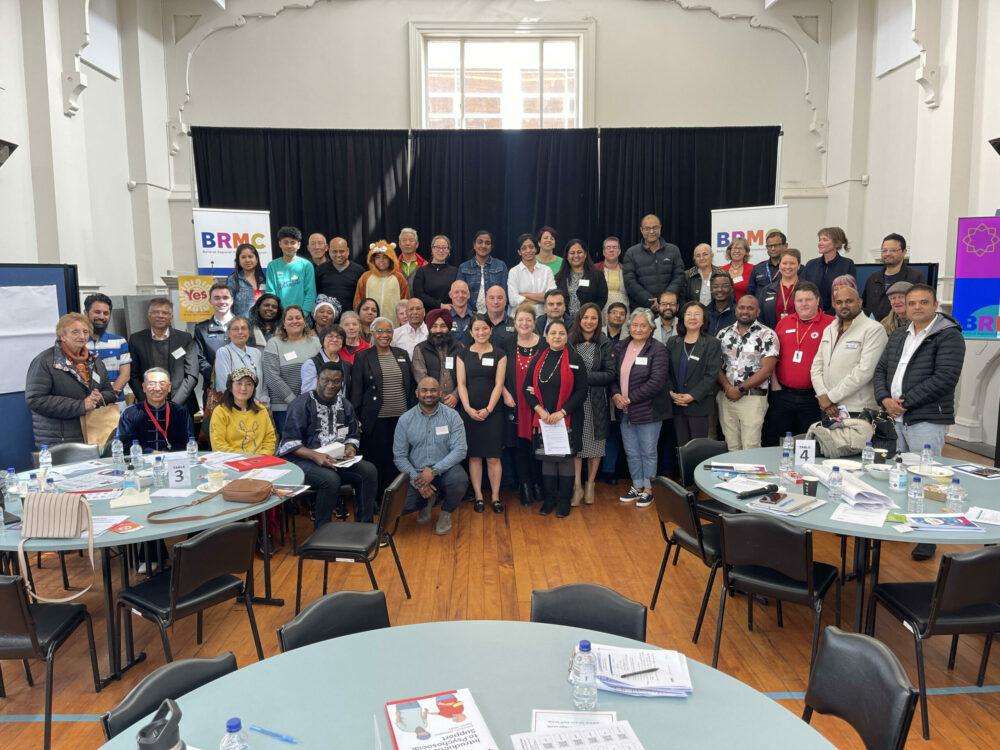
Multicultural community leaders across Victoria are calling for a more inclusive approach to emergency preparedness, warning that many migrants and refugees continue to struggle with understanding critical warnings and emergency information during natural disasters such as bushfires and floods. The concerns come as emergency agencies work to improve communication strategies in increasingly diverse communities.
The issue was highlighted by members of multicultural organisations in Gippsland, where community advocates say translated emergency information alone is often insufficient. Many newcomers to Australia arrive with little understanding of local hazards such as bushfires, which can behave very differently from disasters experienced in their countries of origin. Community leaders argue that emergency preparedness requires more than translated pamphlets and websites—it requires local context, education and trusted relationships.
Somali-born community worker Koos Ali said her experiences growing up in East Africa did not prepare her for the reality of Australian bushfires. She explained that while communities affected by war or drought often develop survival strategies, Australian emergencies present different challenges that require specialised knowledge and preparation. Her understanding of bushfire risks only became real after witnessing colleagues being forced to evacuate during the Black Summer fires.
Another challenge identified by community advocates is the complexity of official emergency terminology. Kate Allen from Gippsland Multicultural Services said warning phrases such as "Watch and Act" may be familiar to long-term Australian residents but can be confusing for people who have recently arrived in the country. Without understanding the practical actions required, some residents may not respond appropriately during an emergency.
Community leaders also point to a deeper issue: trust. Many migrants and refugees come from countries where interactions with government authorities have been associated with conflict, corruption or persecution. As a result, some individuals may be reluctant to immediately trust official warnings or instructions issued by government agencies. Building trust requires ongoing engagement and relationship-building long before disasters occur.
To address these challenges, organisations such as the Gippsland Multicultural Regional Emergency Management Network and the Multicultural Emergency Management Partnership have been working to connect emergency services with culturally and linguistically diverse communities. These initiatives focus on creating two-way communication channels and ensuring emergency information is both accessible and culturally relevant.
Emergency Management Victoria, the Country Fire Authority (CFA), Ambulance Victoria and Victoria Police say they are actively working with multicultural communities through translated resources, liaison officers and community engagement programs. Officials acknowledge that effective emergency communication requires more than simply translating information; it also involves understanding cultural backgrounds and building trust through regular contact.
Experts say Australia's increasingly diverse population makes inclusive emergency planning more important than ever. With climate change contributing to more frequent and severe natural disasters, ensuring all communities understand emergency warnings and preparedness measures is becoming a critical public safety priority. Community leaders believe the most effective approach combines multilingual information with strong local relationships, practical education and culturally appropriate engagement strategies.
Multicultural community leaders across Victoria are calling for a more inclusive approach to emergency preparedness, warning that many migrants and refugees continue to struggle with understanding critical warnings and emergency information during natural disasters such as bushfires and floods. The concerns come as emergency agencies work to improve communication strategies in increasingly diverse communities.
The issue was highlighted by members of multicultural organisations in Gippsland, where community advocates say translated emergency information alone is often insufficient. Many newcomers to Australia arrive with little understanding of local hazards such as bushfires, which can behave very differently from disasters experienced in their countries of origin. Community leaders argue that emergency preparedness requires more than translated pamphlets and websites—it requires local context, education and trusted relationships.
Somali-born community worker Koos Ali said her experiences growing up in East Africa did not prepare her for the reality of Australian bushfires. She explained that while communities affected by war or drought often develop survival strategies, Australian emergencies present different challenges that require specialised knowledge and preparation. Her understanding of bushfire risks only became real after witnessing colleagues being forced to evacuate during the Black Summer fires.
Another challenge identified by community advocates is the complexity of official emergency terminology. Kate Allen from Gippsland Multicultural Services said warning phrases such as "Watch and Act" may be familiar to long-term Australian residents but can be confusing for people who have recently arrived in the country. Without understanding the practical actions required, some residents may not respond appropriately during an emergency.
Community leaders also point to a deeper issue: trust. Many migrants and refugees come from countries where interactions with government authorities have been associated with conflict, corruption or persecution. As a result, some individuals may be reluctant to immediately trust official warnings or instructions issued by government agencies. Building trust requires ongoing engagement and relationship-building long before disasters occur.
To address these challenges, organisations such as the Gippsland Multicultural Regional Emergency Management Network and the Multicultural Emergency Management Partnership have been working to connect emergency services with culturally and linguistically diverse communities. These initiatives focus on creating two-way communication channels and ensuring emergency information is both accessible and culturally relevant.
Emergency Management Victoria, the Country Fire Authority (CFA), Ambulance Victoria and Victoria Police say they are actively working with multicultural communities through translated resources, liaison officers and community engagement programs. Officials acknowledge that effective emergency communication requires more than simply translating information; it also involves understanding cultural backgrounds and building trust through regular contact.
Experts say Australia's increasingly diverse population makes inclusive emergency planning more important than ever. With climate change contributing to more frequent and severe natural disasters, ensuring all communities understand emergency warnings and preparedness measures is becoming a critical public safety priority. Community leaders believe the most effective approach combines multilingual information with strong local relationships, practical education and culturally appropriate engagement strategies.
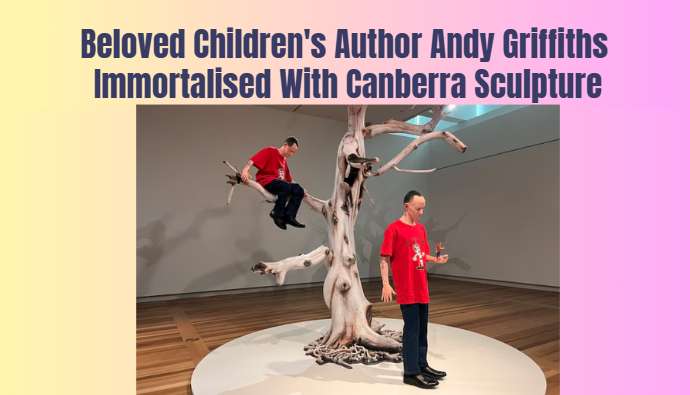
A four-metre-high 3D-printed sculpture celebrating Australian children's author Andy Griffiths has gone on display at Canberra's National Portrait Gallery.
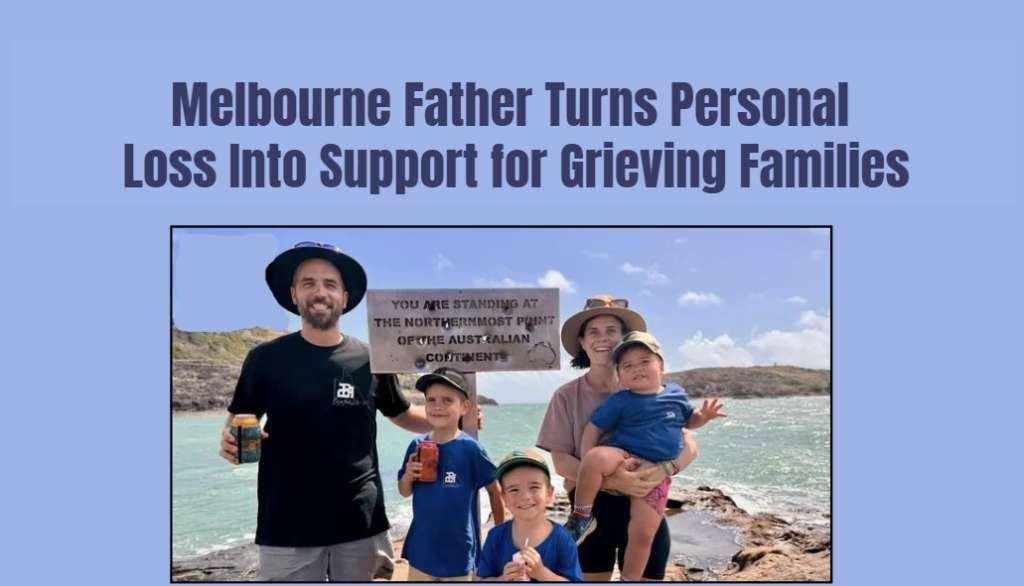
After losing two sons, Melbourne father Nick Olney has established a charity helping grieving parents preserve memories of their babies and access suppo...
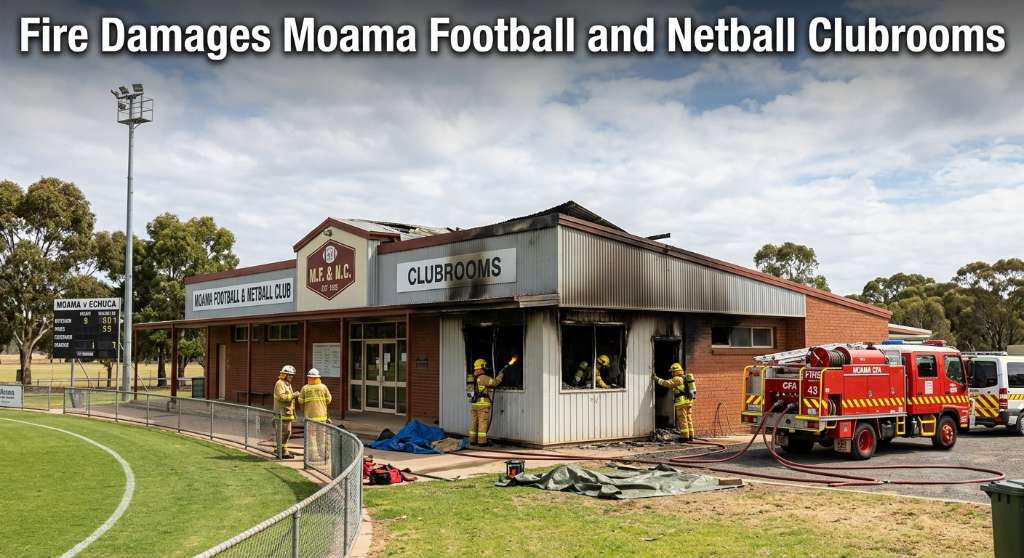
A fire damaged the Moama Football and Netball Club's social rooms during Saturday's grand final, forcing about 1,000 people to leave the building becaus...
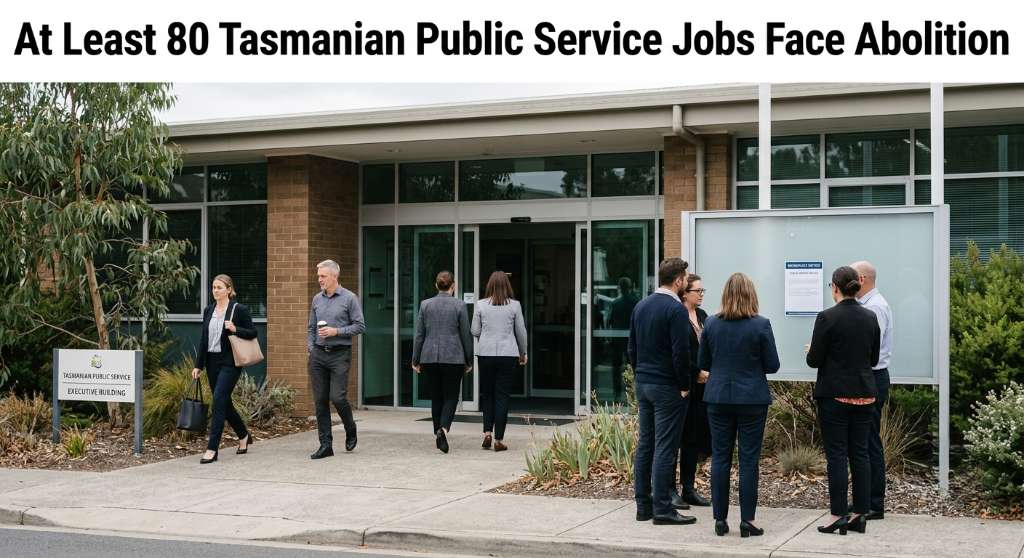
At least 80 positions have been identified for abolition as Tasmania restructures parts of its public service and works toward a broader reduction in go...
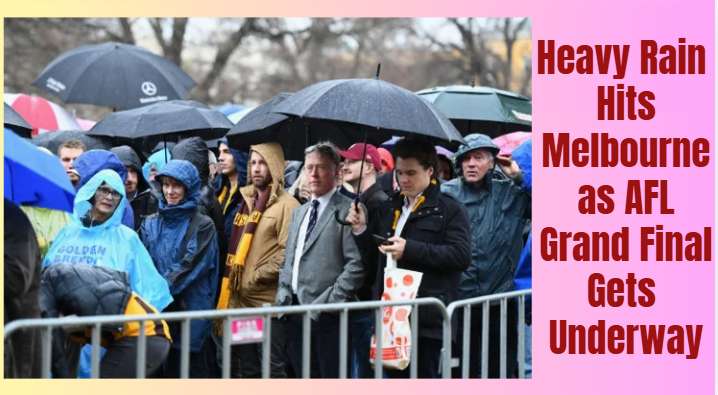
Wet conditions at the Melbourne Cricket Ground are creating difficult conditions for the AFL Grand Final, while poor weather has also disrupted flights...
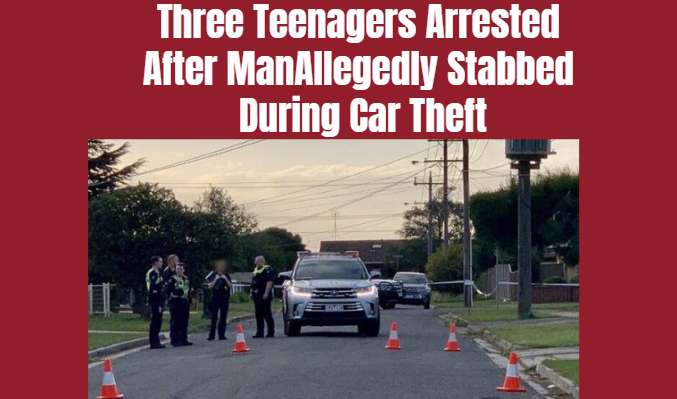
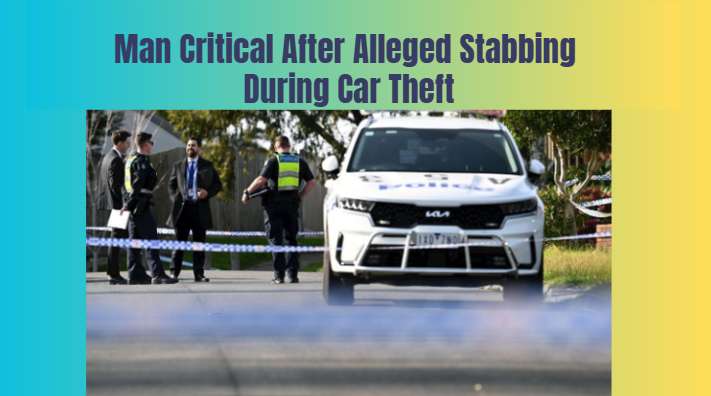
Police have arrested three teenagers after a man was allegedly stabbed while confronting a group of boys attempting to break into a car in Melbourne’s s...
After losing two sons, Melbourne father Nick Olney has established a charity helping grieving parents preserve memories of their babies and access suppo...
A 50-year-old man has died after being struck by a vehicle in Fernvale, west of Brisbane, with police launching a homicide investigation and arresting a...
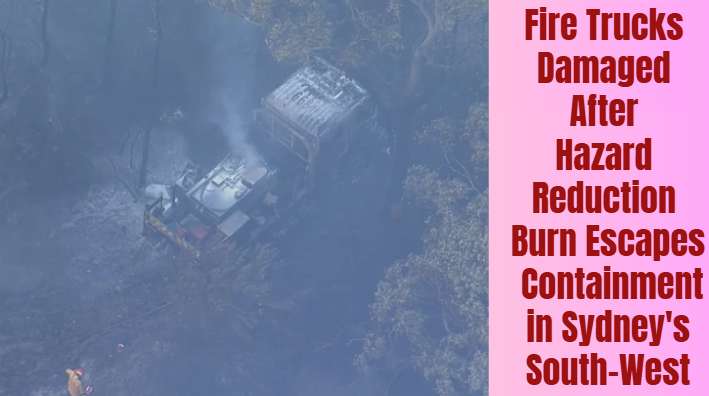
Multiple Rural Fire Service trucks were damaged after a planned hazard reduction burn at Wedderburn in Sydney's south-west escaped containment on Saturday.
Wet conditions at the Melbourne Cricket Ground are creating difficult conditions for the AFL Grand Final, while poor weather has also disrupted flights...
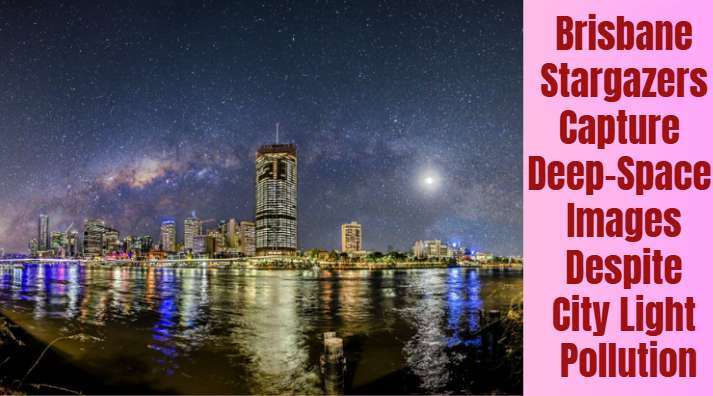
Amateur astronomers are using new telescope technology to photograph the Moon, planets and distant galaxies from Brisbane homes, showing that city skies...