Safety note: Admin approval is an initial review, not a guarantee that every detail is correct. Check important or urgent claims with official sources and report anything inaccurate or unsafe.
Source and credit: Contributor's own report
National Trust SA volunteers warned over public comments ahead of parliamentary inquiry - Adelaide, SA
Smart summary
Volunteers at the National Trust of South Australia (NTSA) have been formally warned about speaking to the media, as tensions escalate ahead of a parliamentary inquiry into the organisation’s governance and internal d...
Volunteers involved with the National Trust of South Australia have been told to restrict public commentary, with several branches receiving warnings over media contact just as a major parliamentary inquiry into the organisation prepares to begin.
According to emails seen by the ABC, volunteers at multiple branches—including those in regional areas—were reminded of the Trust’s media and communications policies, with some being formally warned that they had breached internal rules by speaking publicly about disputes within the organisation. (abc.net.au)
One volunteer leader in the Riverland, Ann Ryan, said she received a formal warning stating she had “contravened” NTSA policy after making public comments about branch issues. She described the communication as intimidating and said it made volunteers feel restricted in raising concerns. (abc.net.au)
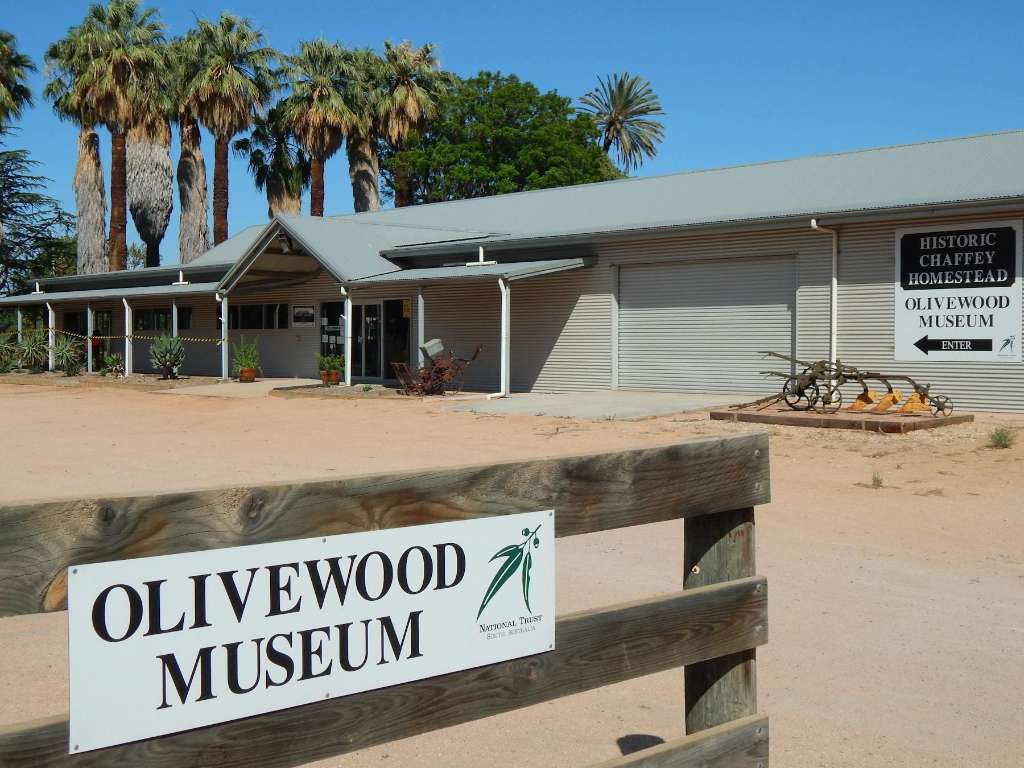
Other branches, including Millicent in the state’s south-east, also reportedly received messages reinforcing that members must not publicly comment on NTSA matters in ways that could be seen as misrepresenting the organisation or damaging its reputation. The emails referenced internal codes of conduct and media communication policies. (abc.net.au)
The warnings come amid long-running tensions between volunteer-run branches and the NTSA head office. In recent months, disputes have escalated over governance, financial management, and the suspension of local committees, including the high-profile Moonta branch dispute, which has resulted in legal action and site closures across parts of the state. (abc.net.au)
Those conflicts have now contributed to the launch of a South Australian parliamentary inquiry, which will examine the National Trust’s governance, legislation, financial sustainability, and relationship with its volunteer base. The inquiry was supported across political parties following concerns that internal disputes were affecting heritage site management and community involvement. (adelaidenow.com.au)
Volunteer groups say they are now looking forward to presenting their concerns directly to the inquiry, believing it will give them a chance to speak freely without fear of internal disciplinary action. Some have argued that internal restrictions on communication have made it difficult to raise issues publicly.
The National Trust of South Australia, which manages more than 100 heritage sites across the state, has defended its approach, saying it has a longstanding communications policy in place and that it is committed to resolving disputes internally while also cooperating with the inquiry process.
NTSA leadership has also previously acknowledged financial pressures and ongoing governance challenges, noting that the organisation is undergoing review and reform efforts aimed at improving long-term sustainability.
The situation continues to develop as the parliamentary inquiry prepares to begin, with both volunteers and NTSA management expected to submit evidence in the coming months.
InquiryInternalNtsaTrustVolunteers
Volunteers involved with the National Trust of South Australia have been told to restrict public commentary, with several branches receiving warnings over media contact just as a major parliamentary inquiry into the organisation prepares to begin.
According to emails seen by the ABC, volunteers at multiple branches—including those in regional areas—were reminded of the Trust’s media and communications policies, with some being formally warned that they had breached internal rules by speaking publicly about disputes within the organisation. (abc.net.au)
One volunteer leader in the Riverland, Ann Ryan, said she received a formal warning stating she had “contravened” NTSA policy after making public comments about branch issues. She described the communication as intimidating and said it made volunteers feel restricted in raising concerns. (abc.net.au)
Other branches, including Millicent in the state’s south-east, also reportedly received messages reinforcing that members must not publicly comment on NTSA matters in ways that could be seen as misrepresenting the organisation or damaging its reputation. The emails referenced internal codes of conduct and media communication policies. (abc.net.au)
The warnings come amid long-running tensions between volunteer-run branches and the NTSA head office. In recent months, disputes have escalated over governance, financial management, and the suspension of local committees, including the high-profile Moonta branch dispute, which has resulted in legal action and site closures across parts of the state. (abc.net.au)
Those conflicts have now contributed to the launch of a South Australian parliamentary inquiry, which will examine the National Trust’s governance, legislation, financial sustainability, and relationship with its volunteer base. The inquiry was supported across political parties following concerns that internal disputes were affecting heritage site management and community involvement. (adelaidenow.com.au)
Volunteer groups say they are now looking forward to presenting their concerns directly to the inquiry, believing it will give them a chance to speak freely without fear of internal disciplinary action. Some have argued that internal restrictions on communication have made it difficult to raise issues publicly.
The National Trust of South Australia, which manages more than 100 heritage sites across the state, has defended its approach, saying it has a longstanding communications policy in place and that it is committed to resolving disputes internally while also cooperating with the inquiry process.
NTSA leadership has also previously acknowledged financial pressures and ongoing governance challenges, noting that the organisation is undergoing review and reform efforts aimed at improving long-term sustainability.
The situation continues to develop as the parliamentary inquiry prepares to begin, with both volunteers and NTSA management expected to submit evidence in the coming months.
Geelong's historic Botanic Gardens are preparing for their 175th anniversary, with volunteers and horticultural staff working to preserve a living colle...
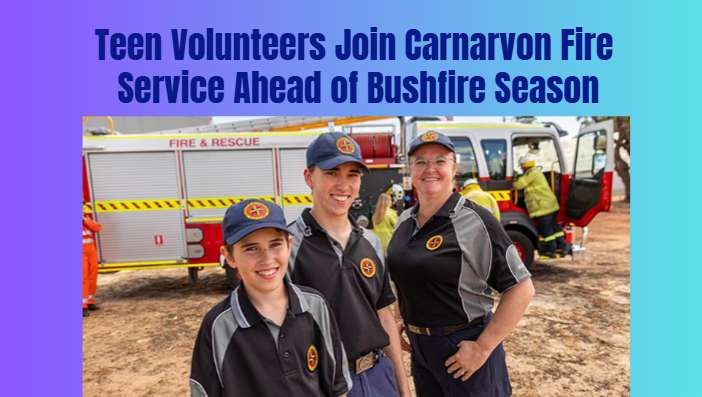
Three high-school students have joined the Carnarvon Volunteer Fire and Rescue Service as the regional organisation works to strengthen its volunteer nu...
Around 300 people walked through Morwell to remember Kaiden Morgan-Johnston one year after his death and call for safer streets across the Latrobe Valley.
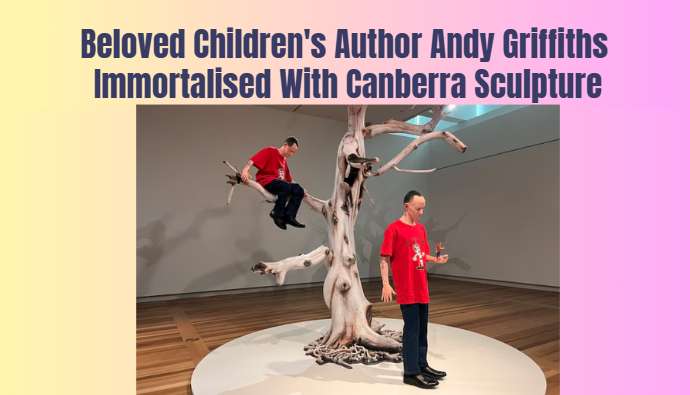
A four-metre-high 3D-printed sculpture celebrating Australian children's author Andy Griffiths has gone on display at Canberra's National Portrait Gallery.
A major developer has ended its involvement in the Eyre residential development in Adelaide's north, leaving South Australia's Renewal SA to take respon...
A South Australian soccer player with two broken bones in his lower leg travelled about 70 kilometres by private car after waiting at a regional hospita...
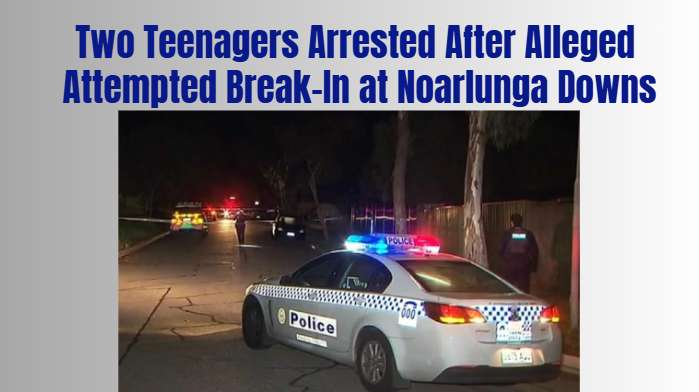
Two 14-year-old boys have been arrested and charged after police allege they were caught trying to enter a property at Noarlunga Downs in Adelaide's sou...
South Australian health authorities are contacting people who may have been exposed to measles after a confirmed case spent more than 24 hours across ar...
A 22-year-old Elimbah man has been charged after a two-car crash at Baringa on the Sunshine Coast, with police alleging he fled into nearby bushland bef...
A new proposal for factory-built ecohomes in Orange aims to speed up construction while reducing household energy costs as local property prices remain...
Geelong's historic Botanic Gardens are preparing for their 175th anniversary, with volunteers and horticultural staff working to preserve a living colle...