Safety note: Admin approval is an initial review, not a guarantee that every detail is correct. Check important or urgent claims with official sources and report anything inaccurate or unsafe.
Source and credit: Contributor's own report
New blood test offers hope for earlier Alzheimer's diagnosis in Australia - Sydney, NSW
Smart summary
A groundbreaking blood test capable of detecting biological signs of Alzheimer's disease years before symptoms appear has been approved for clinical trials, with a new diagnostic centre opening in Sydney.
Australia has taken a major step forward in the early detection of Alzheimer's disease with the launch of a new blood test that could identify the condition years—potentially even decades—before noticeable symptoms develop. The test, known as p Tau217, has been approved by the Therapeutic Goods Administration (TGA) for clinical use in trials and will initially be offered through the newly established Asia-Pacific Centre of Excellence for Alzheimer's Disease Diagnosis in Sydney.
The p Tau217 blood test works by detecting phosphorylated tau 217, a protein biomarker associated with the build-up of amyloid plaques in the brain—one of the hallmark features of Alzheimer's disease. Researchers say the test can produce results in as little as 18 minutes and has demonstrated more than 90 per cent accuracy in identifying Alzheimer's pathology, making it comparable to more invasive methods such as PET brain scans and lumbar punctures.
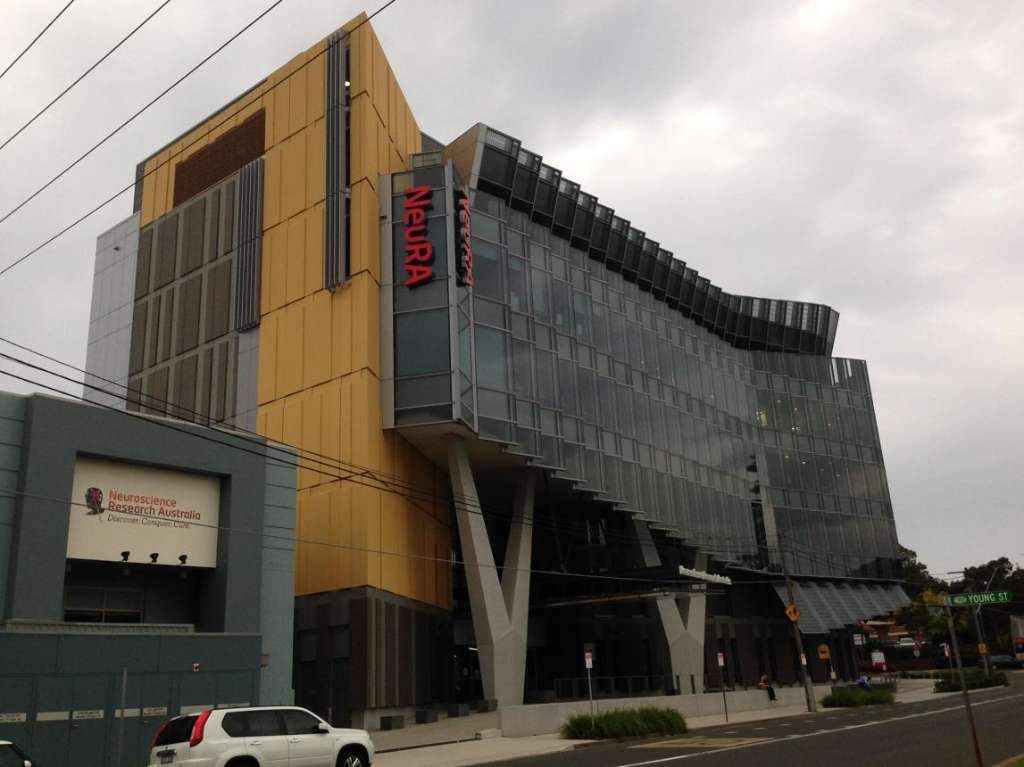
The new diagnostic centre is a partnership between Neuroscience Research Australia (Neu RA) and Roche Diagnostics Australia. Its goal is to improve access to earlier and more accurate diagnosis while supporting clinical trials, research and future treatment options across Australia and the Asia-Pacific region. Initially, the blood tests will be used in clinical trials, with referrals from doctors expected to begin within the next six to nine months.
Medical experts believe earlier diagnosis could significantly improve patient care. Alzheimer's disease often takes three to five years to diagnose in Australia, and many people undergo multiple specialist appointments and invasive procedures before receiving a definitive diagnosis. Earlier detection may allow patients and their families to plan for the future, access support services sooner and become eligible for emerging disease-modifying treatments that are most effective during the early stages of the disease.
Neu RA cognitive neurologist Associate Professor Emma Devenney described the development as "transformative," saying the blood test represents a major advance in dementia care. She noted that while the technology will not cure Alzheimer's, identifying the disease earlier creates greater opportunities for treatment, clinical trial participation and improved quality of life.
Alzheimer's advocate Louise Bryant, whose partner was only definitively diagnosed shortly before his death after years of uncertainty, welcomed the breakthrough. She said an earlier diagnosis could have reduced stigma, provided clearer answers and enabled earlier access to available treatments and support.
Although the blood test has received regulatory approval, it is not yet covered by Medicare, and patients are expected to pay several hundred dollars while evidence is gathered to support future public funding. Researchers hope the new centre will help establish the evidence needed for broader access across Australia.
Health experts believe this breakthrough marks the beginning of a new era in dementia diagnosis, offering Australians a faster, less invasive and more accessible way to detect Alzheimer's disease, while accelerating research into treatments that may slow its progression.
AlzheimerDiagnosisDiseaseEarlierTest
Australia has taken a major step forward in the early detection of Alzheimer's disease with the launch of a new blood test that could identify the condition years—potentially even decades—before noticeable symptoms develop. The test, known as p Tau217, has been approved by the Therapeutic Goods Administration (TGA) for clinical use in trials and will initially be offered through the newly established Asia-Pacific Centre of Excellence for Alzheimer's Disease Diagnosis in Sydney.
The p Tau217 blood test works by detecting phosphorylated tau 217, a protein biomarker associated with the build-up of amyloid plaques in the brain—one of the hallmark features of Alzheimer's disease. Researchers say the test can produce results in as little as 18 minutes and has demonstrated more than 90 per cent accuracy in identifying Alzheimer's pathology, making it comparable to more invasive methods such as PET brain scans and lumbar punctures.
The new diagnostic centre is a partnership between Neuroscience Research Australia (Neu RA) and Roche Diagnostics Australia. Its goal is to improve access to earlier and more accurate diagnosis while supporting clinical trials, research and future treatment options across Australia and the Asia-Pacific region. Initially, the blood tests will be used in clinical trials, with referrals from doctors expected to begin within the next six to nine months.
Medical experts believe earlier diagnosis could significantly improve patient care. Alzheimer's disease often takes three to five years to diagnose in Australia, and many people undergo multiple specialist appointments and invasive procedures before receiving a definitive diagnosis. Earlier detection may allow patients and their families to plan for the future, access support services sooner and become eligible for emerging disease-modifying treatments that are most effective during the early stages of the disease.
Neu RA cognitive neurologist Associate Professor Emma Devenney described the development as "transformative," saying the blood test represents a major advance in dementia care. She noted that while the technology will not cure Alzheimer's, identifying the disease earlier creates greater opportunities for treatment, clinical trial participation and improved quality of life.
Alzheimer's advocate Louise Bryant, whose partner was only definitively diagnosed shortly before his death after years of uncertainty, welcomed the breakthrough. She said an earlier diagnosis could have reduced stigma, provided clearer answers and enabled earlier access to available treatments and support.
Although the blood test has received regulatory approval, it is not yet covered by Medicare, and patients are expected to pay several hundred dollars while evidence is gathered to support future public funding. Researchers hope the new centre will help establish the evidence needed for broader access across Australia.
Health experts believe this breakthrough marks the beginning of a new era in dementia diagnosis, offering Australians a faster, less invasive and more accessible way to detect Alzheimer's disease, while accelerating research into treatments that may slow its progression.
New funding from local charity Wishlist is improving communication support for patients at Bundaberg Hospital, with resources designed to help people communicate more effectivel...
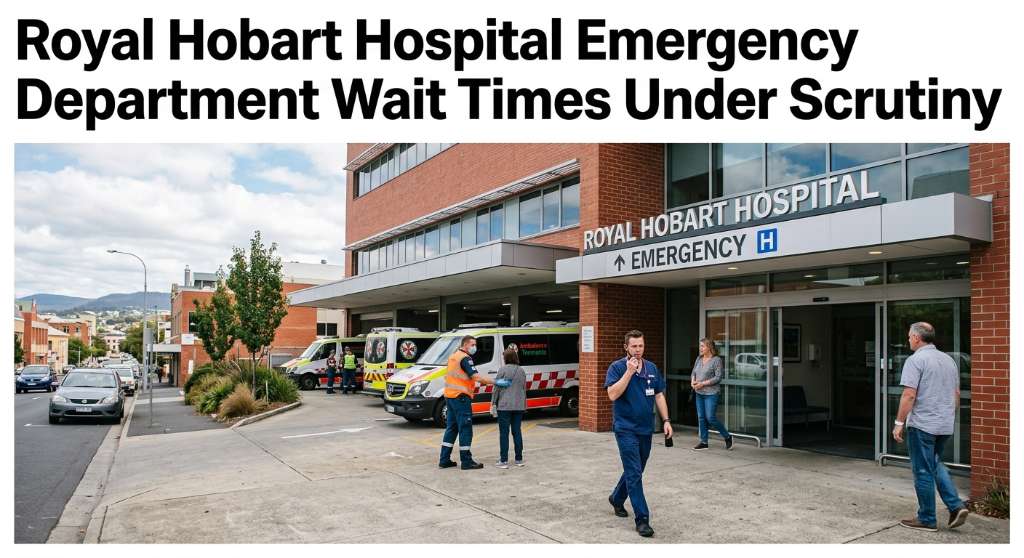
New figures have renewed concerns about emergency department delays at Royal Hobart Hospital, with the health system facing questions over patient waiti...
Central Coast New South Wales · Health News · 10 Sep 2026
The design for new Key Health Worker Accommodation at Wyong has been released today, with the project aimed at helping address the need for suitable accommodation for healthcare...
A 36-year-old man has been charged after investigators allegedly found fraudulent identification documents, cloned number plates, cash and drug-manufact...
A Sydney court has heard that a man sent 249 messages to a former partner within 24 hours, with the messages treated as a single alleged breach of an ap...
A high-profile athlete has returned to court and told the hearing that an alleged unwanted kiss by former broadcaster Alan Jones remained difficult to f...
Work on the $150 million Sydney Town Hall Square project has been paused after the NSW Planning Minister referred the development for review by the Inde...
Cairns Regional Council has unanimously voted to seek $400,000 in Queensland Government funding for a program designed to connect local businesses with the region’s growing film...
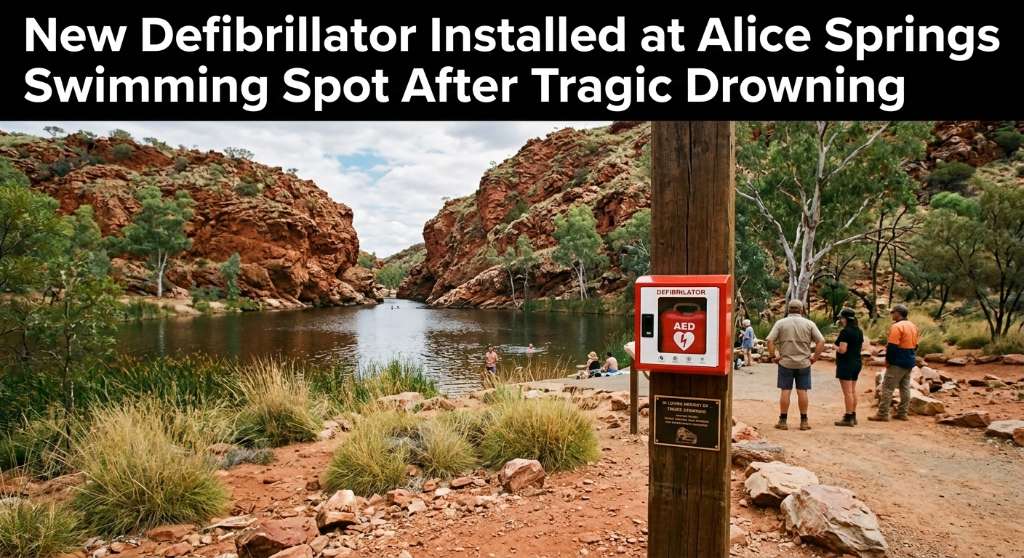
An automated external defibrillator and memorial plaque have been installed at Ellery Creek Big Hole following the death of disability advocate Ellen Fr...
Queensland firefighters spent several hours monitoring a significant grass fire at Mary Kinross Park in Bargara, near Bundaberg, after the blaze broke out on Wednesday evening....