Safety note: Admin approval is an initial review, not a guarantee that every detail is correct. Check important or urgent claims with official sources and report anything inaccurate or unsafe.
Source and credit: Contributor's own report
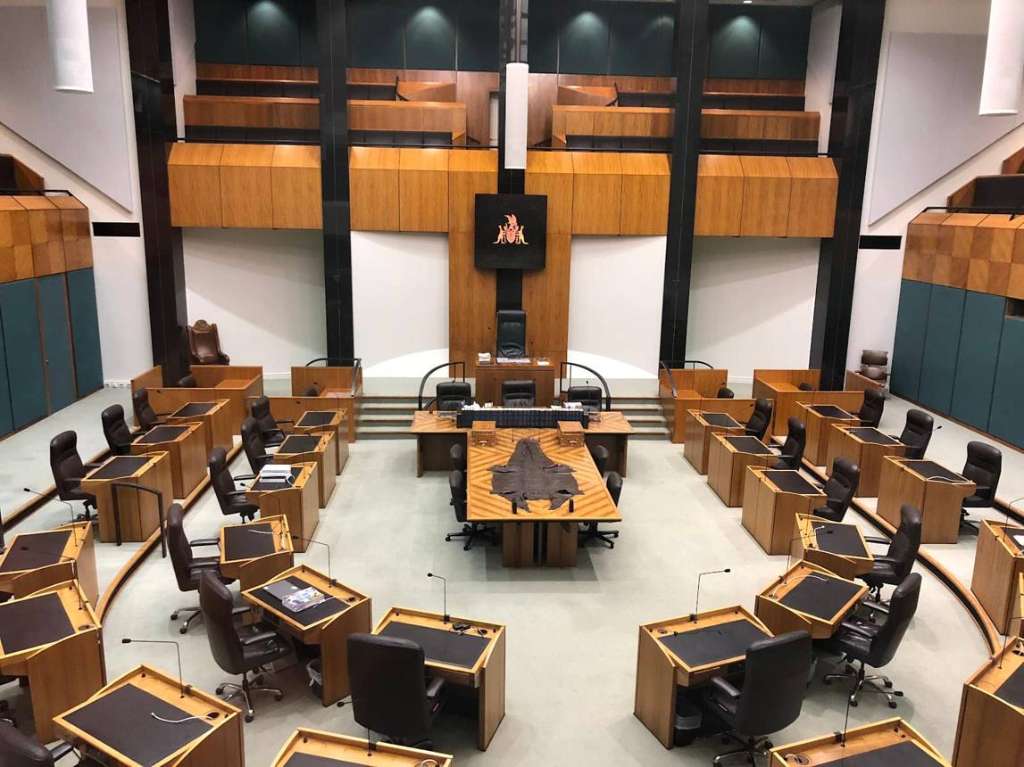
Northern Territory Parliament Backs Voluntary Assisted Dying Bill - Darwin, NT
Smart summary
A landmark voluntary assisted dying bill has received majority support in the Northern Territory Parliament, marking a significant step toward giving eligible terminally ill adults greater end-of-life choices.
The Northern Territory Parliament has voted in favour of legislation that would introduce voluntary assisted dying (VAD), bringing the Territory closer to becoming the final Australian jurisdiction to establish legal end-of-life choice laws.
The proposed legislation aims to allow eligible adults suffering from advanced, incurable and terminal illnesses to voluntarily access assisted dying under strict legal safeguards. The bill passed its second reading following an extensive parliamentary debate, with members casting a conscience vote rather than voting along party lines.
Supporters of the legislation described it as an important reform that respects personal autonomy and allows terminally ill people to make their own end-of-life decisions while maintaining dignity. They argued that individuals experiencing unbearable suffering should have access to carefully regulated choices when all eligibility requirements are met.
The bill includes multiple safeguards designed to ensure voluntary assisted dying is available only in limited circumstances. These include strict eligibility criteria, independent medical assessments, waiting periods and oversight mechanisms intended to protect vulnerable people while ensuring decisions are made freely and without coercion.
To qualify under the proposed legislation, a person would generally need to be an adult with decision-making capacity who is suffering from an advanced, progressive and terminal illness expected to cause death within a specified period. Requests would need to be assessed by multiple qualified medical practitioners before approval.
During parliamentary debate, supporters emphasised that voluntary assisted dying is about giving terminally ill people an additional end-of-life option rather than replacing palliative care. They argued that strong palliative care services and voluntary assisted dying can operate alongside one another to provide patients with comprehensive choices.
Opponents of the legislation expressed concerns about potential risks to vulnerable members of the community, including older people, individuals with disabilities and those experiencing mental health challenges. Some members also questioned whether sufficient safeguards could completely eliminate the possibility of coercion or unintended consequences.
Healthcare organisations, advocacy groups and legal experts have closely followed the debate, recognising that the Northern Territory has a unique place in Australia's voluntary assisted dying history. The Territory was the first Australian jurisdiction to legalise voluntary euthanasia in 1995 through the Rights of the Terminally Ill Act. However, that law was overturned by the Commonwealth Parliament in 1997, preventing the Territory from continuing the scheme.
Since then, every Australian state has introduced voluntary assisted dying legislation under carefully regulated legal frameworks. The Northern Territory is now seeking to establish its own modern laws following the restoration of its ability to legislate on the issue.
The bill must still complete additional parliamentary stages before becoming law. If ultimately passed, government agencies and health authorities will begin developing detailed operational guidelines, training programs and oversight arrangements before the scheme can commence.
Medical practitioners would not be required to participate if they have conscientious objections, with provisions allowing healthcare professionals to decline involvement while ensuring patients receive appropriate information about available pathways.
The debate represents one of the most significant health law reforms considered by the Northern Territory Parliament in recent years. Regardless of differing views, members acknowledged the deeply personal nature of end-of-life decisions and the importance of respectful public discussion.
If enacted, the legislation would complete the nationwide adoption of voluntary assisted dying laws across all Australian states and territories, providing eligible Northern Territory residents with access to a legal framework similar to those operating elsewhere in Australia.
AssistedDyingTerritoryVoluntaryLegislation
The Northern Territory Parliament has voted in favour of legislation that would introduce voluntary assisted dying (VAD), bringing the Territory closer to becoming the final Australian jurisdiction to establish legal end-of-life choice laws.
The proposed legislation aims to allow eligible adults suffering from advanced, incurable and terminal illnesses to voluntarily access assisted dying under strict legal safeguards. The bill passed its second reading following an extensive parliamentary debate, with members casting a conscience vote rather than voting along party lines.
Supporters of the legislation described it as an important reform that respects personal autonomy and allows terminally ill people to make their own end-of-life decisions while maintaining dignity. They argued that individuals experiencing unbearable suffering should have access to carefully regulated choices when all eligibility requirements are met.
The bill includes multiple safeguards designed to ensure voluntary assisted dying is available only in limited circumstances. These include strict eligibility criteria, independent medical assessments, waiting periods and oversight mechanisms intended to protect vulnerable people while ensuring decisions are made freely and without coercion.
To qualify under the proposed legislation, a person would generally need to be an adult with decision-making capacity who is suffering from an advanced, progressive and terminal illness expected to cause death within a specified period. Requests would need to be assessed by multiple qualified medical practitioners before approval.
During parliamentary debate, supporters emphasised that voluntary assisted dying is about giving terminally ill people an additional end-of-life option rather than replacing palliative care. They argued that strong palliative care services and voluntary assisted dying can operate alongside one another to provide patients with comprehensive choices.
Opponents of the legislation expressed concerns about potential risks to vulnerable members of the community, including older people, individuals with disabilities and those experiencing mental health challenges. Some members also questioned whether sufficient safeguards could completely eliminate the possibility of coercion or unintended consequences.
Healthcare organisations, advocacy groups and legal experts have closely followed the debate, recognising that the Northern Territory has a unique place in Australia's voluntary assisted dying history. The Territory was the first Australian jurisdiction to legalise voluntary euthanasia in 1995 through the Rights of the Terminally Ill Act. However, that law was overturned by the Commonwealth Parliament in 1997, preventing the Territory from continuing the scheme.
Since then, every Australian state has introduced voluntary assisted dying legislation under carefully regulated legal frameworks. The Northern Territory is now seeking to establish its own modern laws following the restoration of its ability to legislate on the issue.
The bill must still complete additional parliamentary stages before becoming law. If ultimately passed, government agencies and health authorities will begin developing detailed operational guidelines, training programs and oversight arrangements before the scheme can commence.
Medical practitioners would not be required to participate if they have conscientious objections, with provisions allowing healthcare professionals to decline involvement while ensuring patients receive appropriate information about available pathways.
The debate represents one of the most significant health law reforms considered by the Northern Territory Parliament in recent years. Regardless of differing views, members acknowledged the deeply personal nature of end-of-life decisions and the importance of respectful public discussion.
If enacted, the legislation would complete the nationwide adoption of voluntary assisted dying laws across all Australian states and territories, providing eligible Northern Territory residents with access to a legal framework similar to those operating elsewhere in Australia.
New funding from local charity Wishlist is improving communication support for patients at Bundaberg Hospital, with resources designed to help people communicate more effectivel...
New figures have renewed concerns about emergency department delays at Royal Hobart Hospital, with the health system facing questions over patient waiti...
Central Coast New South Wales · Health News · 10 Sep 2026
The design for new Key Health Worker Accommodation at Wyong has been released today, with the project aimed at helping address the need for suitable accommodation for healthcare...
An automated external defibrillator and memorial plaque have been installed at Ellery Creek Big Hole following the death of disability advocate Ellen Fr...
Paramedics responding to an emergency in Alice Springs were forced to use a stretcher as a barricade after an armed and allegedly intoxicated group beca...
Cairns Regional Council has unanimously voted to seek $400,000 in Queensland Government funding for a program designed to connect local businesses with the region’s growing film...
An automated external defibrillator and memorial plaque have been installed at Ellery Creek Big Hole following the death of disability advocate Ellen Fr...
Queensland firefighters spent several hours monitoring a significant grass fire at Mary Kinross Park in Bargara, near Bundaberg, after the blaze broke out on Wednesday evening....