Officials raise concerns over croc-infested Fitzroy River ahead of Brisbane 2032 Olympics
By Neha Maurya · Published 26 Jun 2026 · Updated 26 Jun 2026
Rockhampton, QLD · Queensland News
Safety note: Admin approval is an initial review, not a guarantee that every detail is correct. Check important or urgent claims with official sources and report anything inaccurate or unsafe.
Source and credit: Contributor's own report
Officials raise concerns over croc-infested Fitzroy River ahead of Brisbane 2032 Olympics - Rockhampton, QLD
Smart summary
Olympic authorities and sports bodies are reviewing the Fitzroy River in Rockhampton amid safety concerns about crocodiles, strong currents, and fairness for rowing events at the 2032 Brisbane Games.
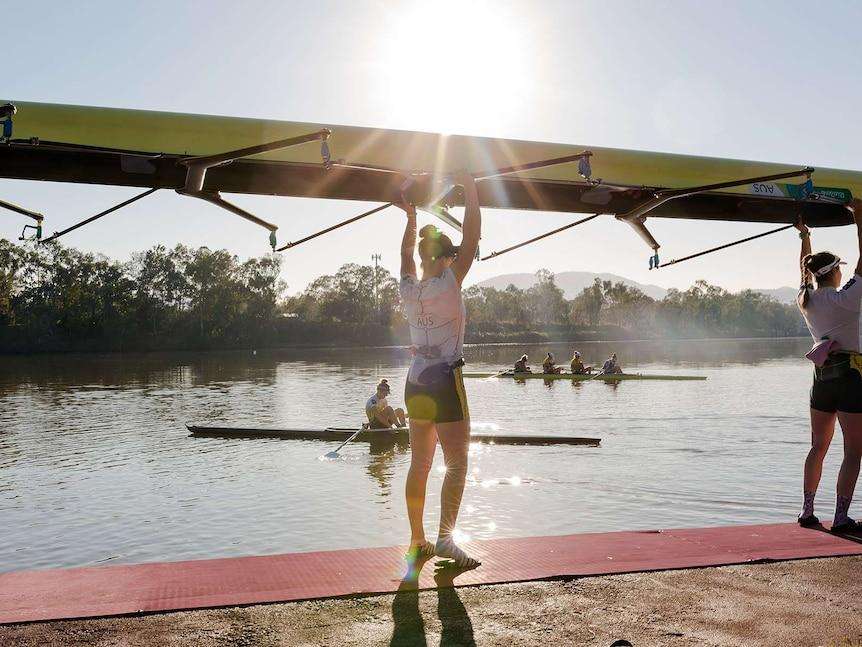
Concerns have been raised over the suitability of the Fitzroy River in Rockhampton, Queensland, as a proposed venue for rowing and canoe sprint events during the 2032 Brisbane Olympic Games, due to environmental hazards including saltwater crocodiles, strong tidal flows, and unpredictable river conditions.
The Fitzroy River is a natural waterway located in central Queensland, approximately 600 km north of Brisbane. It has been selected as part of the Olympic venue plan as a cost-saving regional hosting option, rather than building a fully artificial rowing course. However, the decision has sparked ongoing debate among athletes, sports officials, and international governing bodies.
Recent meetings involving International Olympic Committee (IOC) representatives and sports federations highlighted multiple concerns. One of the main issues is the presence of saltwater crocodiles, which naturally inhabit parts of the river system. While authorities argue that risk mitigation measures such as monitoring, barriers, and wildlife control could reduce danger, critics question whether it is appropriate for elite-level competition.
In addition to wildlife risks, experts have also flagged technical challenges with the river itself, including inconsistent water depth, strong currents, tidal influence, wind exposure, and floating debris or vegetation. These factors can create unfair lane conditions in rowing, where even minor differences in water flow can significantly affect race outcomes.
World Rowing and the International Canoe Federation are currently conducting technical assessments of the Fitzroy River to determine whether it meets international competition standards. These evaluations typically examine fairness, safety, water quality, and logistical feasibility for broadcasting and spectator infrastructure.
The debate has intensified after petitions from athletes and coaches, reportedly gathering thousands of signatures, called for the venue to be moved to a purpose-built rowing facility closer to Brisbane or the Gold Coast. Alternative venues such as artificial regatta lakes have been suggested, which would eliminate wildlife risks and ensure uniform racing conditions.
Despite the criticism, Queensland state officials have continued to support the Fitzroy River as the official rowing venue, arguing that hosting Olympic events in regional areas will create a long-term legacy, boost tourism, and distribute infrastructure investment beyond major cities.
Supporters of the decision claim that crocodile risk can be managed through controlled zones, surveillance, and race scheduling during safer daylight hours. However, opponents argue that even minimal perceived risk could discourage international athletes from competing and raise global safety concerns.
The final decision on the venue is expected after continued technical reviews by international sports bodies and Olympic infrastructure authorities. Until then, the Fitzroy River remains a controversial and closely watched component of the 2032 Brisbane Olympics planning process.
RiverFitzroyInternationalRowingBrisbane
Concerns have been raised over the suitability of the Fitzroy River in Rockhampton, Queensland, as a proposed venue for rowing and canoe sprint events during the 2032 Brisbane Olympic Games, due to environmental hazards including saltwater crocodiles, strong tidal flows, and unpredictable river conditions.
The Fitzroy River is a natural waterway located in central Queensland, approximately 600 km north of Brisbane. It has been selected as part of the Olympic venue plan as a cost-saving regional hosting option, rather than building a fully artificial rowing course. However, the decision has sparked ongoing debate among athletes, sports officials, and international governing bodies.
Recent meetings involving International Olympic Committee (IOC) representatives and sports federations highlighted multiple concerns. One of the main issues is the presence of saltwater crocodiles, which naturally inhabit parts of the river system. While authorities argue that risk mitigation measures such as monitoring, barriers, and wildlife control could reduce danger, critics question whether it is appropriate for elite-level competition.
In addition to wildlife risks, experts have also flagged technical challenges with the river itself, including inconsistent water depth, strong currents, tidal influence, wind exposure, and floating debris or vegetation. These factors can create unfair lane conditions in rowing, where even minor differences in water flow can significantly affect race outcomes.
World Rowing and the International Canoe Federation are currently conducting technical assessments of the Fitzroy River to determine whether it meets international competition standards. These evaluations typically examine fairness, safety, water quality, and logistical feasibility for broadcasting and spectator infrastructure.
The debate has intensified after petitions from athletes and coaches, reportedly gathering thousands of signatures, called for the venue to be moved to a purpose-built rowing facility closer to Brisbane or the Gold Coast. Alternative venues such as artificial regatta lakes have been suggested, which would eliminate wildlife risks and ensure uniform racing conditions.
Despite the criticism, Queensland state officials have continued to support the Fitzroy River as the official rowing venue, arguing that hosting Olympic events in regional areas will create a long-term legacy, boost tourism, and distribute infrastructure investment beyond major cities.
Supporters of the decision claim that crocodile risk can be managed through controlled zones, surveillance, and race scheduling during safer daylight hours. However, opponents argue that even minimal perceived risk could discourage international athletes from competing and raise global safety concerns.
The final decision on the venue is expected after continued technical reviews by international sports bodies and Olympic infrastructure authorities. Until then, the Fitzroy River remains a controversial and closely watched component of the 2032 Brisbane Olympics planning process.
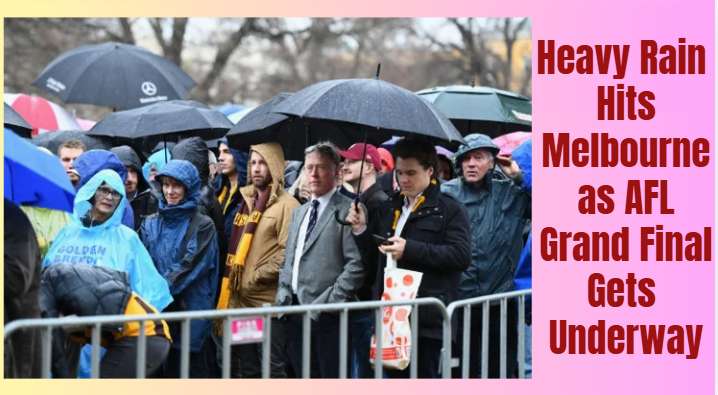
Wet conditions at the Melbourne Cricket Ground are creating difficult conditions for the AFL Grand Final, while poor weather has also disrupted flights...
Australian cyclist Sarah Gigante is back racing internationally after more than a year away from competition and will lead a four-rider Australian team...
Adam Scott and Min Woo Lee played key roles as the International team produced a clean sweep against the United States in the second-day foursomes at th...
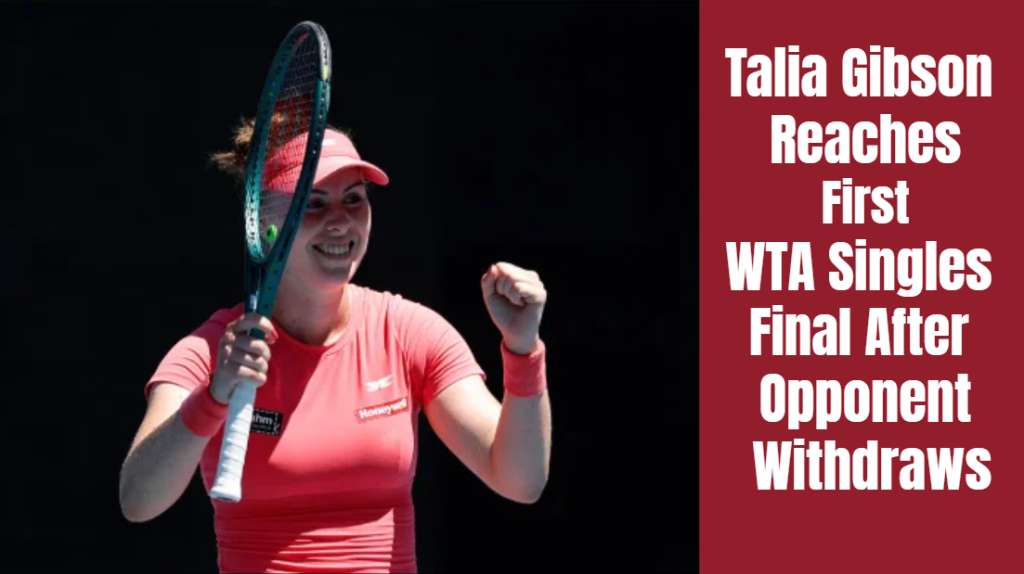
Australian tennis player Talia Gibson has reached her first WTA Tour-level singles final at the Singapore Open after Tatiana Prozorova withdrew from the...
A 50-year-old man has died after being struck by a vehicle in Fernvale, west of Brisbane, with police launching a homicide investigation and arresting a...
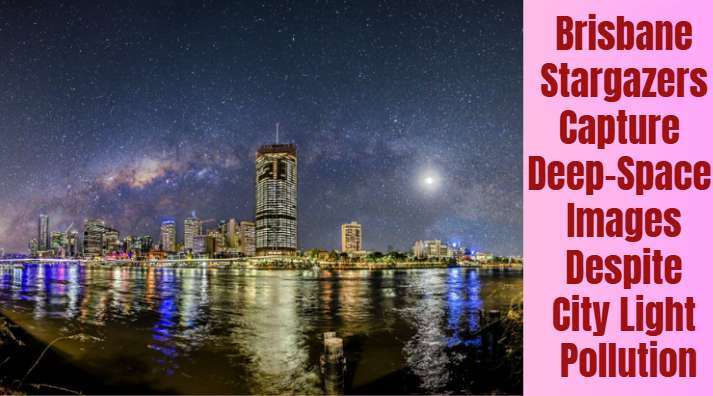
Amateur astronomers are using new telescope technology to photograph the Moon, planets and distant galaxies from Brisbane homes, showing that city skies...
Severe weather in Melbourne has caused flight disruptions from Brisbane, with at least one flight cancelled and other services delayed as passengers tra...
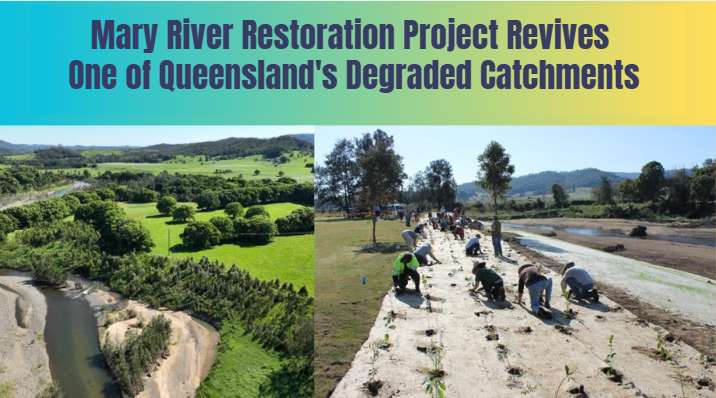
A long-running community restoration effort along Queensland's Mary River is reducing erosion, improving water quality and helping restore habitat for n...
A 50-year-old man has died after being struck by a vehicle in Fernvale, west of Brisbane, with police launching a homicide investigation and arresting a...
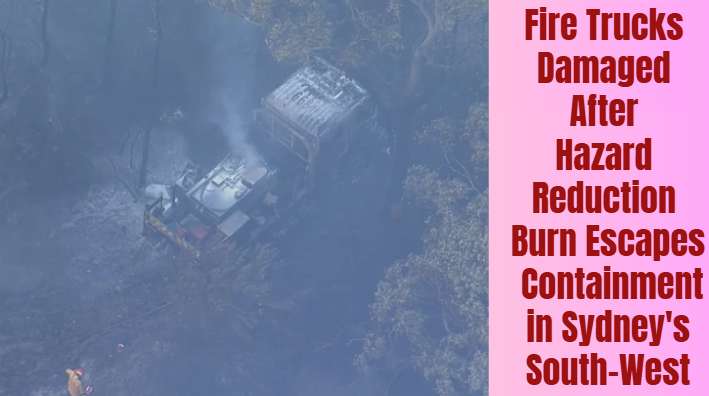
Multiple Rural Fire Service trucks were damaged after a planned hazard reduction burn at Wedderburn in Sydney's south-west escaped containment on Saturday.
Wet conditions at the Melbourne Cricket Ground are creating difficult conditions for the AFL Grand Final, while poor weather has also disrupted flights...
Amateur astronomers are using new telescope technology to photograph the Moon, planets and distant galaxies from Brisbane homes, showing that city skies...