Safety note: Admin approval is an initial review, not a guarantee that every detail is correct. Check important or urgent claims with official sources and report anything inaccurate or unsafe.
Source and credit: Contributor's own report
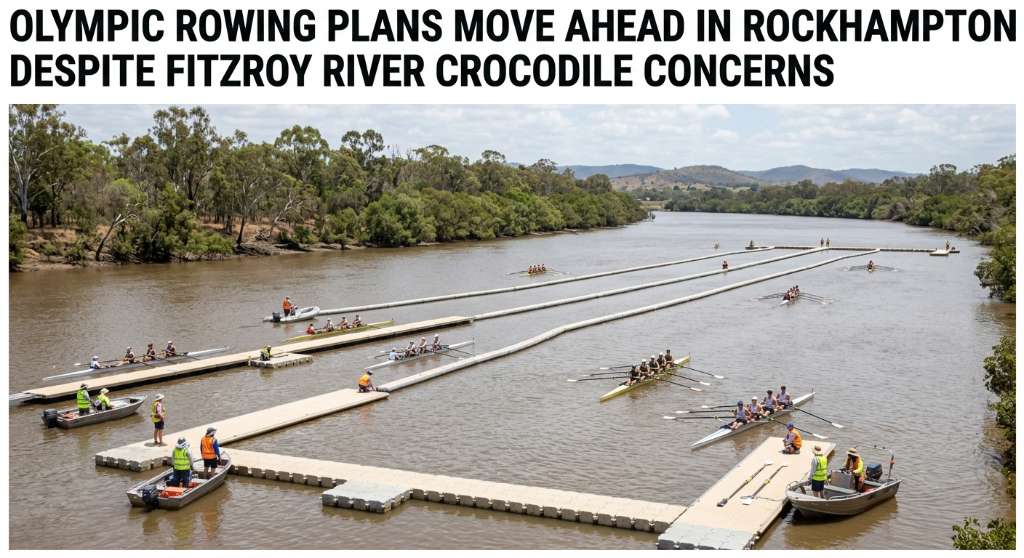
Olympic Rowing Plans Move Ahead in Rockhampton Despite Fitzroy River Crocodile Concerns - Rockhampton, QLD
Smart summary
Plans for the 2032 Brisbane Olympic rowing events to be held on Rockhampton’s Fitzroy River are progressing, while questions remain about crocodile safety and the river’s suitability for competition.
Plans to stage Olympic rowing events in Rockhampton during the 2032 Brisbane Olympic and Paralympic Games are moving forward, with the Fitzroy River remaining the proposed venue despite continuing discussion about crocodiles and the river’s suitability.
The latest update was published on 19 September 2026, making it a new story for today. The proposed rowing venue has been the subject of debate for months because the Fitzroy River is home to crocodiles and has environmental and logistical characteristics that differ from traditional rowing venues.
Rockhampton is expected to play an important role in Queensland’s plans to spread events beyond Brisbane during the 2032 Games. The Fitzroy River has been selected for rowing, with authorities continuing work on how the venue could accommodate international athletes, officials, spectators and support operations.
One of the most frequently discussed issues is the presence of crocodiles in the river. The Fitzroy is a natural river system rather than a purpose-built rowing lake, meaning organisers must consider the conditions that athletes could encounter during competition. The crocodile issue has attracted significant public attention and has been part of the broader debate surrounding the proposed venue.
The latest ABC report examines whether crocodiles present a practical safety challenge for Olympic rowing and how the organisers are approaching the issue. The venue plans have continued despite the concerns, indicating that the Fitzroy River remains central to the current proposal.
The decision to hold Olympic rowing in Rockhampton is also significant for Central Queensland. Hosting an Olympic event could bring athletes, officials, visitors and media attention to the region and provide an opportunity for local businesses and tourism operators to benefit from increased activity.
However, preparing a major international sporting venue in a regional river environment requires extensive planning. Organisers need to consider the course itself, athlete safety, water conditions, transport, accommodation, spectator access and emergency arrangements.
The Fitzroy River proposal has already been discussed by Queensland authorities and sporting organisations. Earlier reports confirmed that the river had received approval as the planned rowing venue, despite concerns raised about its suitability. The Queensland government has continued to support Rockhampton as part of the wider 2032 Games strategy.
The latest report does not indicate that the rowing venue has been moved elsewhere. Instead, planning is continuing around the Fitzroy River, with crocodile management and athlete safety remaining important considerations.
For Rockhampton, the Olympic proposal represents a major development for the city and the wider Central Queensland region. The 2032 Games are expected to involve venues across Queensland rather than being concentrated entirely in Brisbane, and Rockhampton's proposed rowing events are part of that regional approach.
The debate is therefore not simply about sport. It also involves environmental conditions, public safety, infrastructure and the long-term use of the venue.
As planning continues, further information is expected about how organisers will manage the river environment and ensure conditions are suitable for international rowing competition.
RiverRowingVenueFitzroyOlympic
Plans to stage Olympic rowing events in Rockhampton during the 2032 Brisbane Olympic and Paralympic Games are moving forward, with the Fitzroy River remaining the proposed venue despite continuing discussion about crocodiles and the river’s suitability.
The latest update was published on 19 September 2026, making it a new story for today. The proposed rowing venue has been the subject of debate for months because the Fitzroy River is home to crocodiles and has environmental and logistical characteristics that differ from traditional rowing venues.
Rockhampton is expected to play an important role in Queensland’s plans to spread events beyond Brisbane during the 2032 Games. The Fitzroy River has been selected for rowing, with authorities continuing work on how the venue could accommodate international athletes, officials, spectators and support operations.
One of the most frequently discussed issues is the presence of crocodiles in the river. The Fitzroy is a natural river system rather than a purpose-built rowing lake, meaning organisers must consider the conditions that athletes could encounter during competition. The crocodile issue has attracted significant public attention and has been part of the broader debate surrounding the proposed venue.
The latest ABC report examines whether crocodiles present a practical safety challenge for Olympic rowing and how the organisers are approaching the issue. The venue plans have continued despite the concerns, indicating that the Fitzroy River remains central to the current proposal.
The decision to hold Olympic rowing in Rockhampton is also significant for Central Queensland. Hosting an Olympic event could bring athletes, officials, visitors and media attention to the region and provide an opportunity for local businesses and tourism operators to benefit from increased activity.
However, preparing a major international sporting venue in a regional river environment requires extensive planning. Organisers need to consider the course itself, athlete safety, water conditions, transport, accommodation, spectator access and emergency arrangements.
The Fitzroy River proposal has already been discussed by Queensland authorities and sporting organisations. Earlier reports confirmed that the river had received approval as the planned rowing venue, despite concerns raised about its suitability. The Queensland government has continued to support Rockhampton as part of the wider 2032 Games strategy.
The latest report does not indicate that the rowing venue has been moved elsewhere. Instead, planning is continuing around the Fitzroy River, with crocodile management and athlete safety remaining important considerations.
For Rockhampton, the Olympic proposal represents a major development for the city and the wider Central Queensland region. The 2032 Games are expected to involve venues across Queensland rather than being concentrated entirely in Brisbane, and Rockhampton's proposed rowing events are part of that regional approach.
The debate is therefore not simply about sport. It also involves environmental conditions, public safety, infrastructure and the long-term use of the venue.
As planning continues, further information is expected about how organisers will manage the river environment and ensure conditions are suitable for international rowing competition.
Central Coast New South Wales · Sports News · 18 Sep 2026
The Central Coast rugby league community is preparing for a major weekend of local sport, with the 2026 Central Coast Rugby League grand finals scheduled for Saturday, 19 Septem...
Queensland's emerging football prospects are coming together for a three-day Brisbane Lions State Academy showcase, giving young players an opportunity...
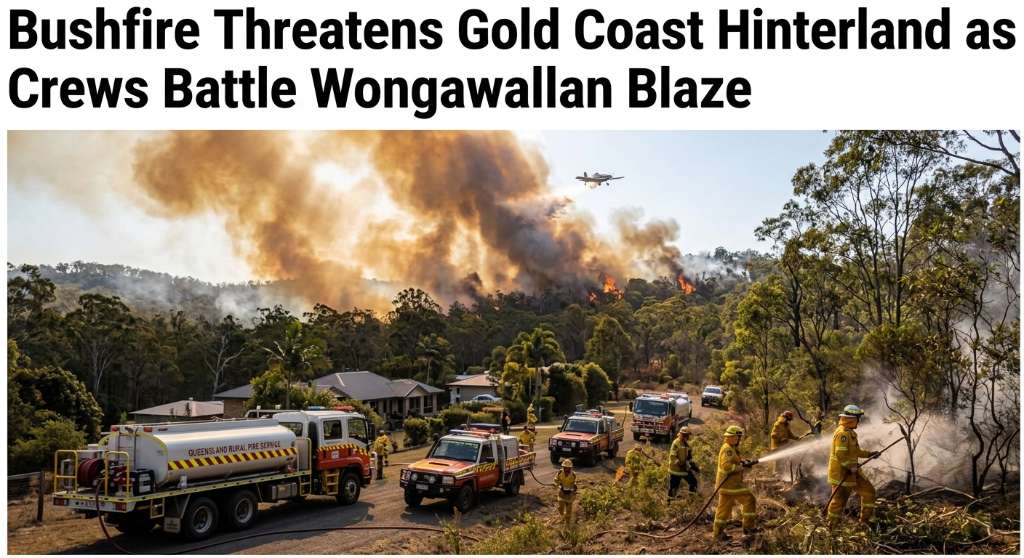
Firefighters have worked through the night to contain a fast-moving bushfire at Wongawallan in the Gold Coast hinterland, with crews protecting homes as...
A 55-year-old man has been charged after police allegedly seized more than $900,000 worth of drugs, firearms and about $50,000 in cash from a South Bris...
A 33-year-old woman has been charged in Mildura after Australian authorities intercepted an alleged importation of about 500 millilitres of 1,4-Butanedi...
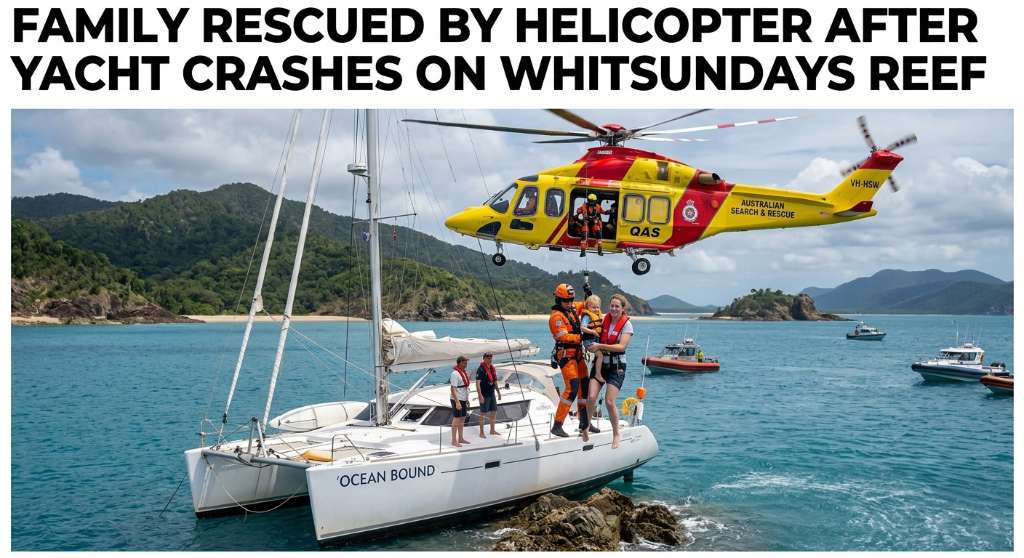
A family of four, including two children, has been rescued by helicopter after their yacht became stuck on a reef in Queensland’s Whitsundays, prompting...
A proposal for a 25-site tourist park opposite the renovated Kin Kin Hotel has prompted differing views among residents, while the developer says the pr...
Four girls and an 18-year-old woman were arrested after police witnessed a fight at Northland Shopping Centre in Preston on Friday night, with a knife a...