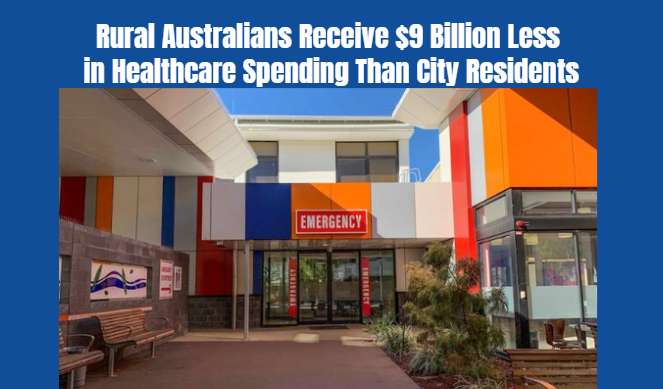
Rural Australians Receive $9 Billion Less in Healthcare Spending Than City Residents
By Chloe · Published 03 Nov 2026 · Updated 03 Nov 2026
Mount Isa, QLD · Queensland News
Safety note: Admin approval is an initial review, not a guarantee that every detail is correct. Check important or urgent claims with official sources and report anything inaccurate or unsafe.
Source and credit: Contributor's own report
Rural Australians Receive $9 Billion Less in Healthcare Spending Than City Residents - Mount Isa, QLD
Smart summary
A new report has highlighted a growing healthcare funding gap between regional and metropolitan Australia, raising concerns about access to specialist treatment in remote Queensland communities.
A new report from the National Rural Health Alliance has highlighted a significant difference in healthcare spending between people living in regional Australia and those living in major cities.
The report found that rural Australians receive approximately $1,200 less in healthcare spending per person each year than residents of metropolitan areas. In smaller country towns, the difference increases to more than $6,000 per person annually.
The overall healthcare spending gap between regional and metropolitan Australia has grown to more than $9 billion a year.
The findings have raised concerns about the difficulties faced by people living in remote communities, particularly those who need specialist medical treatment that is not available locally.
In North West Queensland, residents often have to travel long distances to access specialist appointments, diagnostic services and hospital treatment. These journeys can create additional expenses for patients and their families.
Travel costs, accommodation and time away from work can make accessing healthcare particularly difficult for people already experiencing financial pressure.
National Rural Health Alliance chief executive Susi Tegen said the cost of travelling for medical treatment was forcing some people in rural communities to go without care.
The organisation has called for stronger action to address the funding gap and improve healthcare access outside Australia's major metropolitan centres.
Queensland Health Minister Tim Nicholls' spokesperson said the state government had allocated $140 million to the Patient Travel Subsidy Scheme for the current financial year.
The spokesperson also pointed to a 32 per cent increase in the private vehicle subsidy, which is intended to help eligible patients with travel expenses when they need treatment away from home.
However, the report has renewed questions about whether existing support is sufficient for people living in smaller towns and remote areas.
Healthcare access is an important issue for regional communities because distances between towns and major medical facilities can be substantial. People requiring repeated specialist appointments may face ongoing travel expenses and disruptions to their daily lives.
The report's findings underline the need to consider population distribution, travel distances and local medical services when planning Australia's healthcare funding.
The National Rural Health Alliance is calling for urgent attention to the difference in healthcare spending so that people living outside major cities can access appropriate treatment without facing additional financial barriers.
HealthcarePeopleRuralTravelLiving
A new report from the National Rural Health Alliance has highlighted a significant difference in healthcare spending between people living in regional Australia and those living in major cities.
The report found that rural Australians receive approximately $1,200 less in healthcare spending per person each year than residents of metropolitan areas. In smaller country towns, the difference increases to more than $6,000 per person annually.
The overall healthcare spending gap between regional and metropolitan Australia has grown to more than $9 billion a year.
The findings have raised concerns about the difficulties faced by people living in remote communities, particularly those who need specialist medical treatment that is not available locally.
In North West Queensland, residents often have to travel long distances to access specialist appointments, diagnostic services and hospital treatment. These journeys can create additional expenses for patients and their families.
Travel costs, accommodation and time away from work can make accessing healthcare particularly difficult for people already experiencing financial pressure.
National Rural Health Alliance chief executive Susi Tegen said the cost of travelling for medical treatment was forcing some people in rural communities to go without care.
The organisation has called for stronger action to address the funding gap and improve healthcare access outside Australia's major metropolitan centres.
Queensland Health Minister Tim Nicholls' spokesperson said the state government had allocated $140 million to the Patient Travel Subsidy Scheme for the current financial year.
The spokesperson also pointed to a 32 per cent increase in the private vehicle subsidy, which is intended to help eligible patients with travel expenses when they need treatment away from home.
However, the report has renewed questions about whether existing support is sufficient for people living in smaller towns and remote areas.
Healthcare access is an important issue for regional communities because distances between towns and major medical facilities can be substantial. People requiring repeated specialist appointments may face ongoing travel expenses and disruptions to their daily lives.
The report's findings underline the need to consider population distribution, travel distances and local medical services when planning Australia's healthcare funding.
The National Rural Health Alliance is calling for urgent attention to the difference in healthcare spending so that people living outside major cities can access appropriate treatment without facing additional financial barriers.
The Australian Government says it has invested more than $270 million in preparations and responses to H5 bird flu, including surveillance and vaccinati...
South Australian health authorities report 22 meningococcal disease cases this year and urge eligible residents to receive vaccination as contact tracin...
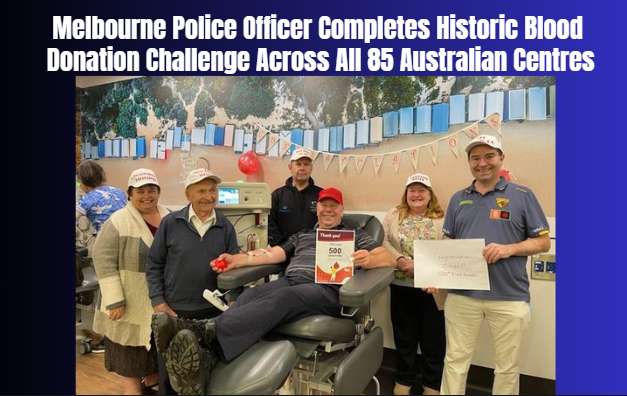
Trevor Bergman has completed an extraordinary national challenge by donating blood or plasma at all 85 Lifeblood donation centres across Australia, maki...
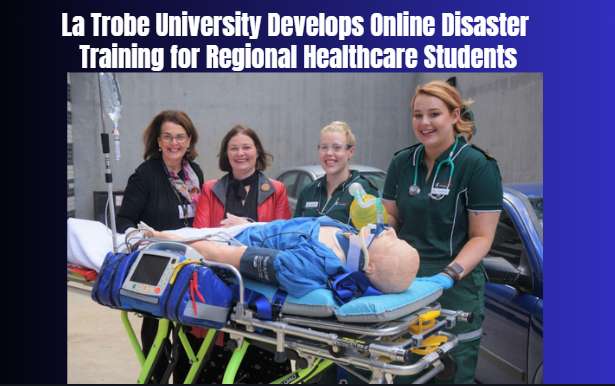
Interactive online games are being developed to help healthcare students in regional Australia practise responding to natural disasters and mass-casualt...
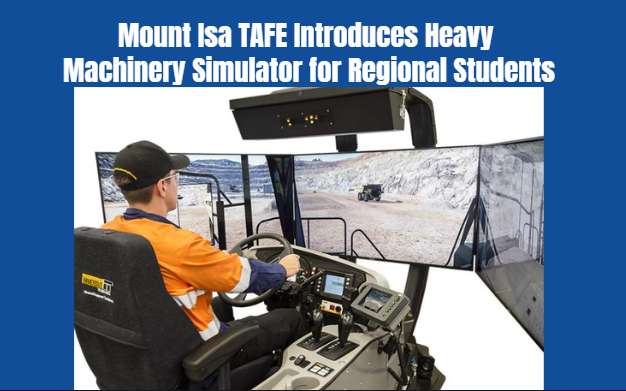
New training technology at Mount Isa TAFE is giving students the opportunity to experience mining, construction and transport machinery before entering...
Two men have died after a ute collided with a heavy truck at Bluewater, north of Townsville, prompting a police investigation by Queensland's Forensic C...
A freedom of information request has revealed that Gold Coast Council does not hold a copy of the invoice for Mayor Tom Tate's three-day stay at Donald...
New training technology at Mount Isa TAFE is giving students the opportunity to experience mining, construction and transport machinery before entering...
A fresh warning from Australia’s superannuation regulator has raised concerns about complaints and service problems across the retirement savings industry.
Western Australian Women's Interests Minister Simone McGurk says online threats and abusive messages directed at female politicians remain widespread, d...
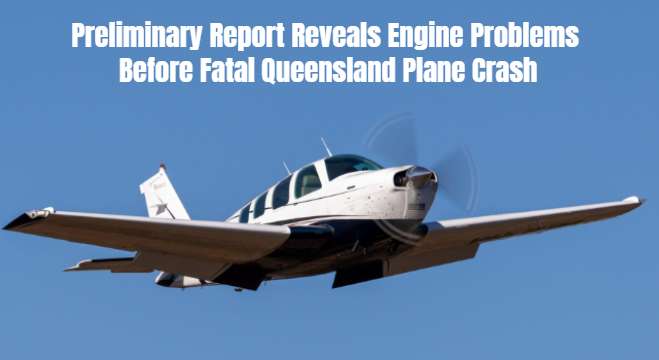
Australia's aviation safety investigators have found that a light aircraft experienced repeated engine-start difficulties before crashing near Logan, ki...