Australia Strengthens Biosecurity Measures Amid Bird Flu Threat
By Chloe · Published 03 Nov 2026 · Updated 03 Nov 2026
Canberra, ACT · ACT News
Safety note: Admin approval is an initial review, not a guarantee that every detail is correct. Check important or urgent claims with official sources and report anything inaccurate or unsafe.
The Australian Government says it has invested more than $270 million in preparations and responses to H5 bird flu, including surveillance and vaccination efforts to protect native wildlife.
Australia is strengthening its biosecurity preparations against H5 bird flu, with the federal government reporting significant investment in surveillance, emergency response equipment and vaccination programs.
The announcement was made on 3 November 2026 as part of One Health Day, an international initiative recognising the connections between human, animal, plant and environmental health.
The Australian Government says it has invested more than $270 million in preparing for and responding to H5 bird flu. The broader biosecurity system has also received more than $2 billion in additional funding.
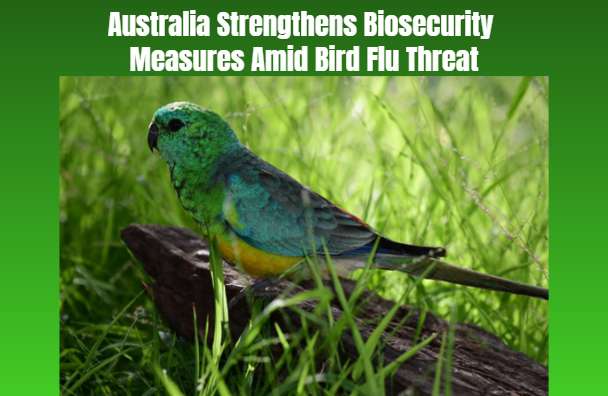
According to the government, more than 13,000 birds have been identified for potential vaccination against H5 bird flu. These include threatened orange-bellied parrots and black cockatoos, which are among Australia's important native wildlife species.
More than 3,000 vaccinations have already been administered across the country. The government describes the program as the largest of its kind undertaken globally.
Authorities have also strengthened surveillance and emergency response capabilities. Rapid-response equipment has been distributed to states and territories, while upgrades have been delivered to zoos and wildlife facilities to improve their ability to manage biosecurity risks.
A national detection dashboard has also been made available through the government's bird flu information website. It provides information intended to help authorities and the public follow developments relating to the disease.
The government reported 732 H5 bird flu events in wildlife across Australia at the time of its announcement. It also said there had been no detections in the country's agriculture or poultry systems and that the risk to human health remained low.
Community reporting has played an important role in the response. The Emergency Animal Disease Hotline had received more than 66,411 calls, while the bird flu information website had recorded more than half a million views.
The government says cooperation between federal and state agencies, agricultural industries, conservation organisations and local communities is essential to managing emerging disease threats.
The One Health approach recognises that protecting animal populations can also help protect ecosystems, food production and human communities.
The latest announcement highlights the importance of early detection, scientific monitoring and coordinated action as Australia continues preparing for potential biosecurity challenges.
BirdGovernmentBeenThanAlso
Australia is strengthening its biosecurity preparations against H5 bird flu, with the federal government reporting significant investment in surveillance, emergency response equipment and vaccination programs.
The announcement was made on 3 November 2026 as part of One Health Day, an international initiative recognising the connections between human, animal, plant and environmental health.
The Australian Government says it has invested more than $270 million in preparing for and responding to H5 bird flu. The broader biosecurity system has also received more than $2 billion in additional funding.
According to the government, more than 13,000 birds have been identified for potential vaccination against H5 bird flu. These include threatened orange-bellied parrots and black cockatoos, which are among Australia's important native wildlife species.
More than 3,000 vaccinations have already been administered across the country. The government describes the program as the largest of its kind undertaken globally.
Authorities have also strengthened surveillance and emergency response capabilities. Rapid-response equipment has been distributed to states and territories, while upgrades have been delivered to zoos and wildlife facilities to improve their ability to manage biosecurity risks.
A national detection dashboard has also been made available through the government's bird flu information website. It provides information intended to help authorities and the public follow developments relating to the disease.
The government reported 732 H5 bird flu events in wildlife across Australia at the time of its announcement. It also said there had been no detections in the country's agriculture or poultry systems and that the risk to human health remained low.
Community reporting has played an important role in the response. The Emergency Animal Disease Hotline had received more than 66,411 calls, while the bird flu information website had recorded more than half a million views.
The government says cooperation between federal and state agencies, agricultural industries, conservation organisations and local communities is essential to managing emerging disease threats.
The One Health approach recognises that protecting animal populations can also help protect ecosystems, food production and human communities.
The latest announcement highlights the importance of early detection, scientific monitoring and coordinated action as Australia continues preparing for potential biosecurity challenges.
A new report has highlighted a growing healthcare funding gap between regional and metropolitan Australia, raising concerns about access to specialist t...
South Australian health authorities report 22 meningococcal disease cases this year and urge eligible residents to receive vaccination as contact tracin...
Trevor Bergman has completed an extraordinary national challenge by donating blood or plasma at all 85 Lifeblood donation centres across Australia, maki...
Interactive online games are being developed to help healthcare students in regional Australia practise responding to natural disasters and mass-casualt...
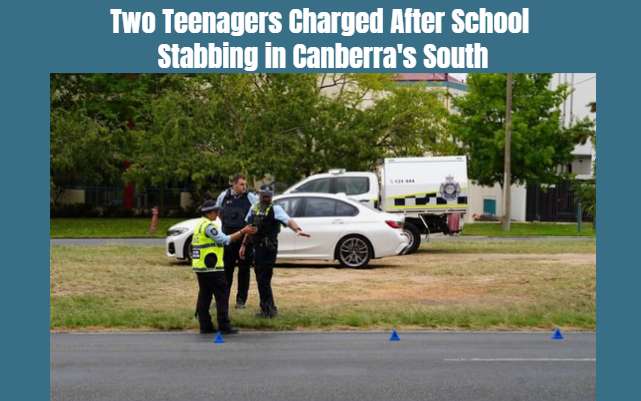
Police have charged two teenagers following a stabbing incident in Canberra's south, prompting renewed concerns about student safety and violence around...
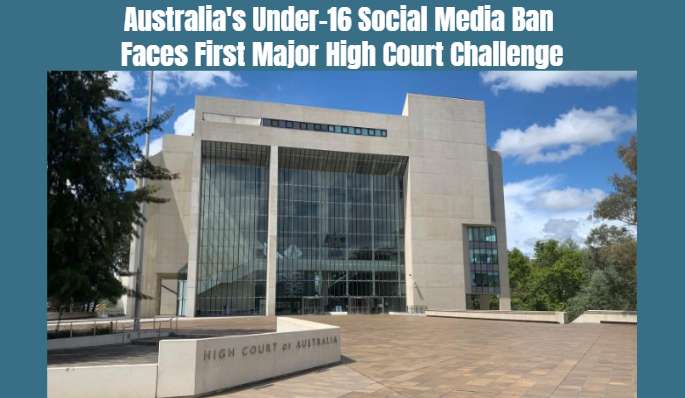
Reddit and the Digital Freedom Project are challenging Australia's landmark social media restrictions, arguing that the law limits young people's freedo...
New figures reveal more than $3 million in government spending on promotional merchandise, including unusual items such as condoms and lollies, raising...
Australia's antisemitism envoy has recommended stronger protest rules, additional visa checks and independent oversight of public broadcasters as part o...
New training technology at Mount Isa TAFE is giving students the opportunity to experience mining, construction and transport machinery before entering...
A fresh warning from Australia’s superannuation regulator has raised concerns about complaints and service problems across the retirement savings industry.
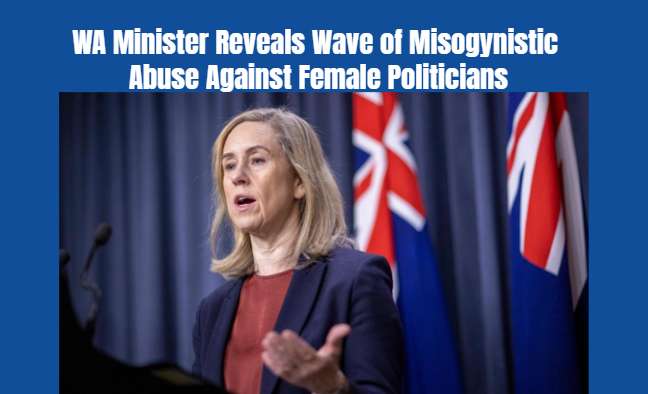
Western Australian Women's Interests Minister Simone McGurk says online threats and abusive messages directed at female politicians remain widespread, d...
A new report has highlighted a growing healthcare funding gap between regional and metropolitan Australia, raising concerns about access to specialist t...