Safety note: Admin approval is an initial review, not a guarantee that every detail is correct. Check important or urgent claims with official sources and report anything inaccurate or unsafe.
Source and credit: Contributor's own report
Pauline Hanson Remains a Political Force Despite Deep Divisions - Brisbane, Queensland
Smart summary
A new political analysis argues that while many opponents view Pauline Hanson as an extreme figure, her enduring appeal stems from an ability to connect with frustrated voters in ways that major-party politicians ofte...
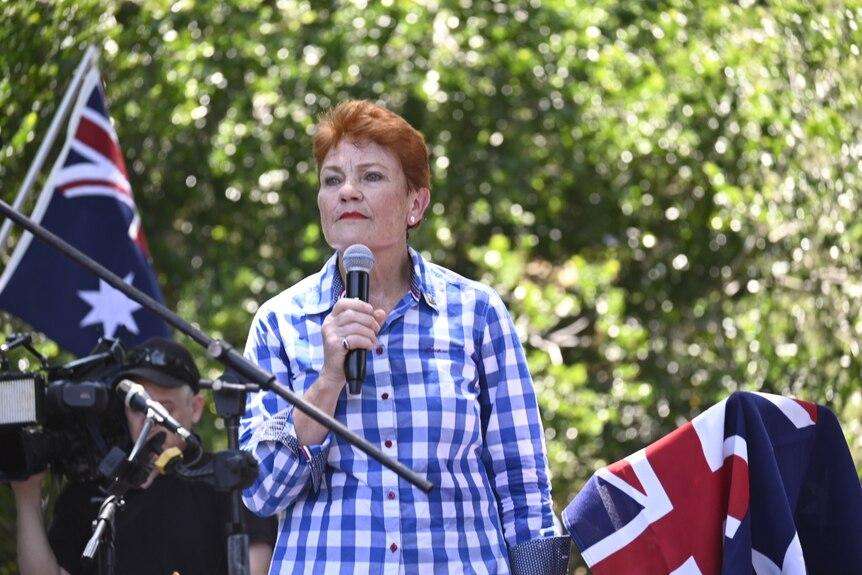
A political analysis published by Brisbane Times examines the continuing influence of Pauline Hanson, arguing that her longevity in Australian politics reflects a unique ability to connect with voters who feel overlooked by the political establishment.
The article acknowledges that Hanson remains one of the country's most controversial political figures. Critics frequently describe her views on immigration, multiculturalism and social issues as extreme, while supporters argue she speaks openly about concerns that many voters believe are ignored by major parties. Recent speeches have renewed debate about her policies and political messaging.
According to the analysis, Hanson’s political strength lies less in policy detail and more in her capacity to communicate directly with people who feel disconnected from mainstream politics. For nearly three decades, she has positioned herself as an outsider challenging established institutions and traditional political elites.
The article suggests that many voters facing cost-of-living pressures, housing affordability concerns and broader economic uncertainty are increasingly attracted to politicians who appear authentic and willing to challenge conventional political narratives. Hanson has built much of her support by presenting herself as a plain-speaking representative of those frustrations.
Political analysts note that her appeal extends beyond traditional left-right divisions. While many Australians strongly disagree with her views, Hanson has demonstrated an ability to attract attention and shape public debate on issues such as immigration, national identity, government spending and regional concerns.
The article argues that one of Hanson’s key advantages is her ability to generate media attention and maintain relevance in a rapidly changing political environment. Even when major parties dismiss her positions, discussions surrounding her statements often dominate political coverage and public conversation.
At the same time, the analysis highlights the significant opposition Hanson continues to face. Community groups, political opponents and advocacy organisations have criticised recent comments and policy proposals, arguing that some of her positions risk increasing division within Australian society.
Despite those criticisms, polling and electoral results suggest that Pauline Hanson's One Nation continues to maintain support among segments of the electorate, particularly among voters dissatisfied with the major parties. Political observers note that this support reflects broader trends seen in many democracies, where populist movements have gained traction by appealing to voters who feel neglected by traditional political institutions.
The central argument of the article is that Hanson’s influence cannot be understood solely through agreement or disagreement with her policies. Instead, it reflects her ability to engage with voter frustrations and communicate in a style that resonates with people who believe mainstream politicians have become disconnected from everyday concerns.
PoliticalHansonVotersAbilityArticle
A political analysis published by Brisbane Times examines the continuing influence of Pauline Hanson, arguing that her longevity in Australian politics reflects a unique ability to connect with voters who feel overlooked by the political establishment.
The article acknowledges that Hanson remains one of the country's most controversial political figures. Critics frequently describe her views on immigration, multiculturalism and social issues as extreme, while supporters argue she speaks openly about concerns that many voters believe are ignored by major parties. Recent speeches have renewed debate about her policies and political messaging.
According to the analysis, Hanson’s political strength lies less in policy detail and more in her capacity to communicate directly with people who feel disconnected from mainstream politics. For nearly three decades, she has positioned herself as an outsider challenging established institutions and traditional political elites.
The article suggests that many voters facing cost-of-living pressures, housing affordability concerns and broader economic uncertainty are increasingly attracted to politicians who appear authentic and willing to challenge conventional political narratives. Hanson has built much of her support by presenting herself as a plain-speaking representative of those frustrations.
Political analysts note that her appeal extends beyond traditional left-right divisions. While many Australians strongly disagree with her views, Hanson has demonstrated an ability to attract attention and shape public debate on issues such as immigration, national identity, government spending and regional concerns.
The article argues that one of Hanson’s key advantages is her ability to generate media attention and maintain relevance in a rapidly changing political environment. Even when major parties dismiss her positions, discussions surrounding her statements often dominate political coverage and public conversation.
At the same time, the analysis highlights the significant opposition Hanson continues to face. Community groups, political opponents and advocacy organisations have criticised recent comments and policy proposals, arguing that some of her positions risk increasing division within Australian society.
Despite those criticisms, polling and electoral results suggest that Pauline Hanson's One Nation continues to maintain support among segments of the electorate, particularly among voters dissatisfied with the major parties. Political observers note that this support reflects broader trends seen in many democracies, where populist movements have gained traction by appealing to voters who feel neglected by traditional political institutions.
The central argument of the article is that Hanson’s influence cannot be understood solely through agreement or disagreement with her policies. Instead, it reflects her ability to engage with voter frustrations and communicate in a style that resonates with people who believe mainstream politicians have become disconnected from everyday concerns.
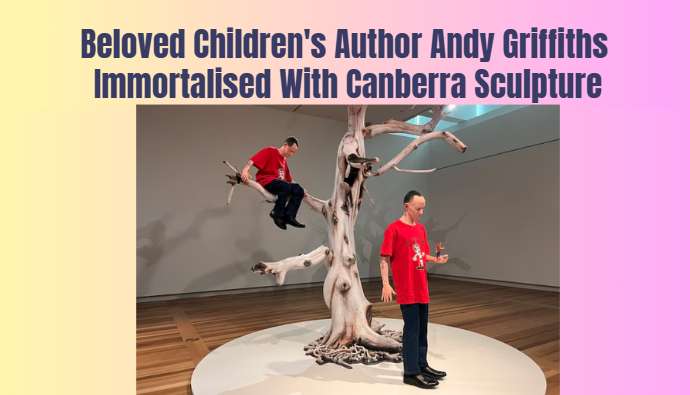
A four-metre-high 3D-printed sculpture celebrating Australian children's author Andy Griffiths has gone on display at Canberra's National Portrait Gallery.
After losing two sons, Melbourne father Nick Olney has established a charity helping grieving parents preserve memories of their babies and access suppo...
A fire damaged the Moama Football and Netball Club's social rooms during Saturday's grand final, forcing about 1,000 people to leave the building becaus...
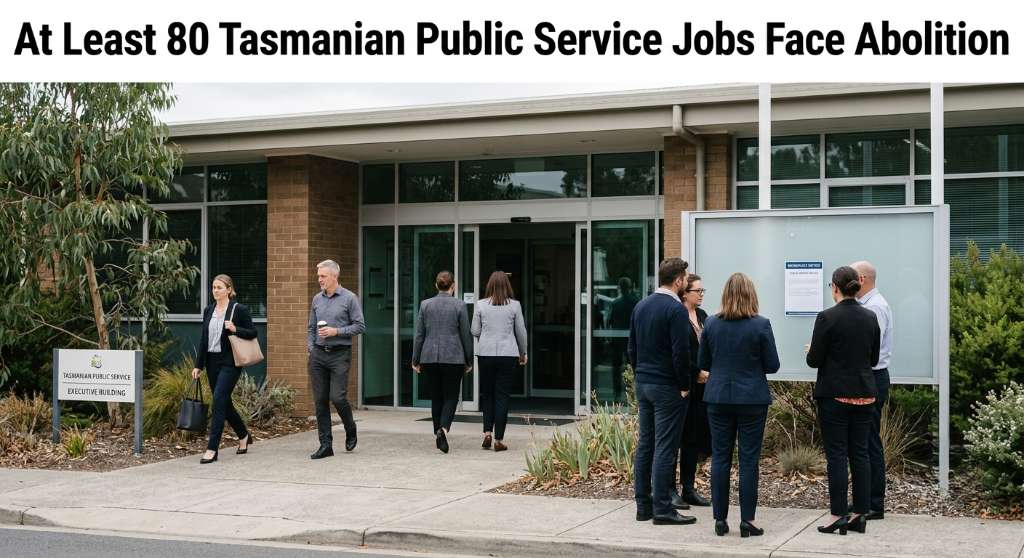
At least 80 positions have been identified for abolition as Tasmania restructures parts of its public service and works toward a broader reduction in go...
A 50-year-old man has died after being struck by a vehicle in Fernvale, west of Brisbane, with police launching a homicide investigation and arresting a...
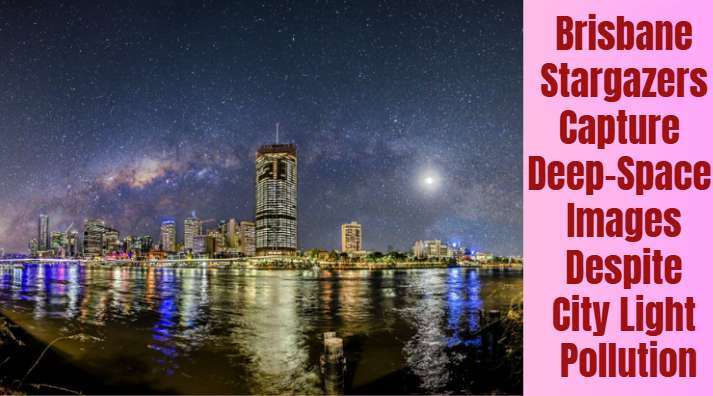
Amateur astronomers are using new telescope technology to photograph the Moon, planets and distant galaxies from Brisbane homes, showing that city skies...
Severe weather in Melbourne has caused flight disruptions from Brisbane, with at least one flight cancelled and other services delayed as passengers tra...
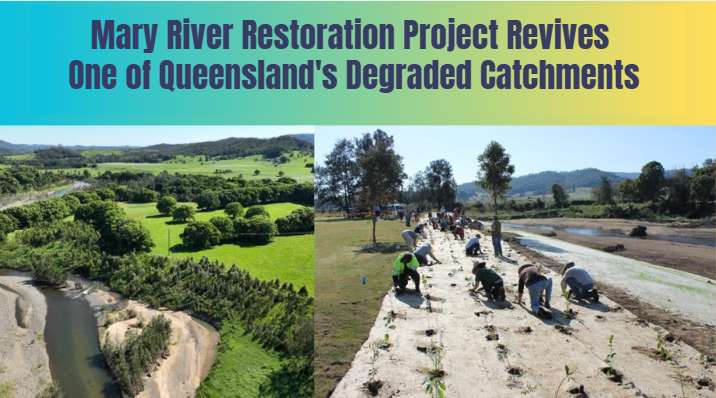
A long-running community restoration effort along Queensland's Mary River is reducing erosion, improving water quality and helping restore habitat for n...
A 50-year-old man has died after being struck by a vehicle in Fernvale, west of Brisbane, with police launching a homicide investigation and arresting a...
Multiple Rural Fire Service trucks were damaged after a planned hazard reduction burn at Wedderburn in Sydney's south-west escaped containment on Saturday.
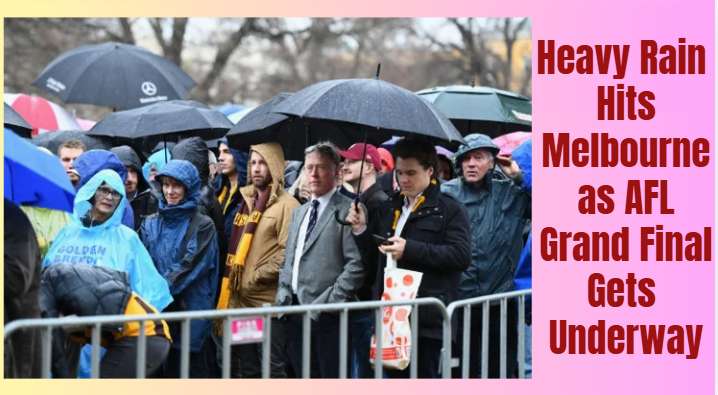
Wet conditions at the Melbourne Cricket Ground are creating difficult conditions for the AFL Grand Final, while poor weather has also disrupted flights...
Amateur astronomers are using new telescope technology to photograph the Moon, planets and distant galaxies from Brisbane homes, showing that city skies...