Safety note: Admin approval is an initial review, not a guarantee that every detail is correct. Check important or urgent claims with official sources and report anything inaccurate or unsafe.
Source and credit: Contributor's own report
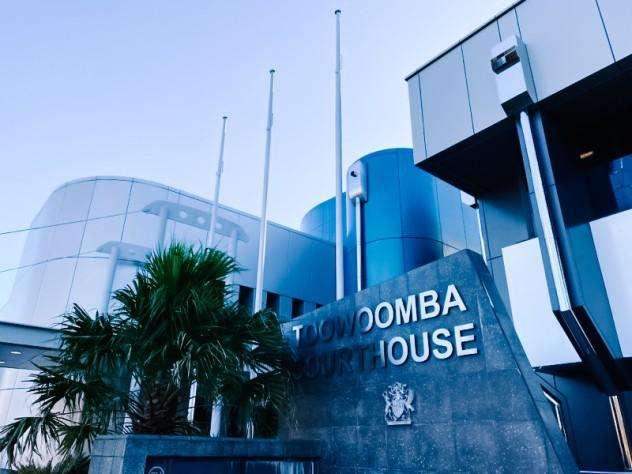
Queensland Attorney-General Appeals Sentence in Toowoomba Schoolgirl Sexual Assault Case - Toowoomba, QLD
Smart summary
Queensland Attorney-General Deb Frecklington has lodged an appeal against the sentence given to Salah Sulaiman Almuhama, saying the penalty imposed for child sex offences was inadequate and required review by the Cour...
The Queensland Attorney-General has launched an appeal against the sentence handed to Salah Sulaiman Almuhama over offences involving a 14-year-old Toowoomba schoolgirl, arguing that the punishment did not properly reflect the seriousness of the offending. The appeal has been lodged with the Queensland Court of Appeal after the original sentence decision attracted significant public attention.
Almuhama, aged 29, was sentenced in the Toowoomba District Court in June 2026 after pleading guilty to two counts of indecent treatment of a child under 16. He received a 12-month jail sentence suspended for two years after spending more than six months in custody on remand. The sentencing decision considered factors including his guilty plea, time already served and personal circumstances presented to the court.
The case involved allegations that Almuhama contacted the teenage girl through Snapchat while discussing the sale of vapes. Prosecutors told the court the pair later met in the Toowoomba region, where the offences occurred. The original matter involved more serious allegations, but the final charges were reduced as part of the legal process before the guilty plea was accepted.
Following the sentencing outcome, community concern grew over whether the penalty reflected the impact on the victim and her family. Attorney-General Deb Frecklington said she considered the sentence to be "manifestly inadequate" and instructed the Office of the Director of Public Prosecutions to file an appeal.
The appeal will now be considered by the Queensland Court of Appeal, which will examine whether the original sentence was within the appropriate sentencing range. A sentence appeal does not automatically mean a different outcome; the court will review the legal issues and determine whether the sentence should remain unchanged or be altered.
The Attorney-General said the appeal was aimed at ensuring accountability within the justice system and recognising the importance of victims in serious criminal matters. The government has stated that it wants serious offences to receive penalties that reflect community expectations while maintaining the principles of the legal system.
The case has also raised wider discussions about sentencing for child sexual offences, rehabilitation, victim support and the balance courts must consider when determining penalties. Legal experts note that sentencing decisions involve multiple factors, including the seriousness of the offence, offender history, guilty pleas, rehabilitation prospects and protection of the community.
Child protection advocates continue to emphasise the importance of online safety, particularly as social media platforms can be used by offenders to establish contact with vulnerable young people. Parents, schools and community organisations are encouraged to educate young people about safe online behaviour and how to seek help if they feel threatened or uncomfortable.
The Court of Appeal will now determine whether the original sentence should stand or whether a new penalty should be imposed. Until the appeal process is completed, the matter remains before the courts.
AppealSentenceCourtSentencingWhether
The Queensland Attorney-General has launched an appeal against the sentence handed to Salah Sulaiman Almuhama over offences involving a 14-year-old Toowoomba schoolgirl, arguing that the punishment did not properly reflect the seriousness of the offending. The appeal has been lodged with the Queensland Court of Appeal after the original sentence decision attracted significant public attention.
Almuhama, aged 29, was sentenced in the Toowoomba District Court in June 2026 after pleading guilty to two counts of indecent treatment of a child under 16. He received a 12-month jail sentence suspended for two years after spending more than six months in custody on remand. The sentencing decision considered factors including his guilty plea, time already served and personal circumstances presented to the court.
The case involved allegations that Almuhama contacted the teenage girl through Snapchat while discussing the sale of vapes. Prosecutors told the court the pair later met in the Toowoomba region, where the offences occurred. The original matter involved more serious allegations, but the final charges were reduced as part of the legal process before the guilty plea was accepted.
Following the sentencing outcome, community concern grew over whether the penalty reflected the impact on the victim and her family. Attorney-General Deb Frecklington said she considered the sentence to be "manifestly inadequate" and instructed the Office of the Director of Public Prosecutions to file an appeal.
The appeal will now be considered by the Queensland Court of Appeal, which will examine whether the original sentence was within the appropriate sentencing range. A sentence appeal does not automatically mean a different outcome; the court will review the legal issues and determine whether the sentence should remain unchanged or be altered.
The Attorney-General said the appeal was aimed at ensuring accountability within the justice system and recognising the importance of victims in serious criminal matters. The government has stated that it wants serious offences to receive penalties that reflect community expectations while maintaining the principles of the legal system.
The case has also raised wider discussions about sentencing for child sexual offences, rehabilitation, victim support and the balance courts must consider when determining penalties. Legal experts note that sentencing decisions involve multiple factors, including the seriousness of the offence, offender history, guilty pleas, rehabilitation prospects and protection of the community.
Child protection advocates continue to emphasise the importance of online safety, particularly as social media platforms can be used by offenders to establish contact with vulnerable young people. Parents, schools and community organisations are encouraged to educate young people about safe online behaviour and how to seek help if they feel threatened or uncomfortable.
The Court of Appeal will now determine whether the original sentence should stand or whether a new penalty should be imposed. Until the appeal process is completed, the matter remains before the courts.
A 21-year-old Bendigo man, Adrian Turnbull, has been sentenced to a maximum of four years and eight months in prison after pleading guilty to a series of offences committed acro...
Wagga Wagga New South Wales · Crime News · 17 Sep 2026
Riverina Police have established a specialised task force in Wagga Wagga to investigate a series of aggravated break-and-enter offences, home invasions and firearm-related incid...
Five-Year Sentence for Albury Police Siege A 36-year-old man, Stephen Bates, has been sentenced to five years in prison following a serious confrontation with police in Lavingto...
A 36-year-old man has been charged after investigators allegedly found fraudulent identification documents, cloned number plates, cash and drug-manufact...
Queensland's emerging football prospects are coming together for a three-day Brisbane Lions State Academy showcase, giving young players an opportunity...
A Wavell Heights enrolled nurse has been charged with four counts of alleged sexual assault and one count of wilful exposure, with his professional regi...
A 24-year-old Carina Heights man has been charged with 36 offences following an investigation into alleged break-ins, vehicle offences and other propert...
Cairns Regional Council has unanimously voted to seek $400,000 in Queensland Government funding for a program designed to connect local businesses with the region’s growing film...
An automated external defibrillator and memorial plaque have been installed at Ellery Creek Big Hole following the death of disability advocate Ellen Fr...
Queensland firefighters spent several hours monitoring a significant grass fire at Mary Kinross Park in Bargara, near Bundaberg, after the blaze broke out on Wednesday evening....