Safety note: Admin approval is an initial review, not a guarantee that every detail is correct. Check important or urgent claims with official sources and report anything inaccurate or unsafe.
Source and credit: Contributor's own report
Queensland Credit Rating Downgraded for the First Time in 17 Years - Brisbane, QLD
Smart summary
Queensland’s credit rating has been cut from AA+ to AA as major infrastructure spending and budget pressures continue ahead of the 2032 Brisbane Olympics.
Queensland has suffered its first credit-rating downgrade in 17 years, with S&P Global Ratings reducing the state’s rating from AA+ to AA and assigning a stable outlook. The decision comes as Queensland continues to undertake major infrastructure projects while dealing with persistent budget deficits and rising debt.
The downgrade is particularly significant for Brisbane because the Queensland capital is at the centre of a large infrastructure program ahead of the 2032 Olympic and Paralympic Games. Major investment is being directed towards transport, hospitals, energy infrastructure and Olympic-related projects.
S&P said Queensland’s budget performance is expected to remain weak over the next several years as spending on infrastructure keeps debt levels structurally higher. The agency also pointed to pressures including inflation, interest rates, wage growth and a cooling property market.
Queensland’s government is forecasting that total government debt could reach approximately $216.4 billion by 2029–30, while interest costs are expected to become a significant expense for taxpayers. The combination of infrastructure spending and ongoing operating deficits has contributed to concerns about the state's financial position.
The rating downgrade does not mean Queensland is facing an immediate financial crisis. The stable outlook indicates that S&P does not currently expect another rating change in the near term. However, the decision highlights the financial challenge involved in delivering major infrastructure projects while maintaining control of government finances.
Brisbane is expected to remain one of the major beneficiaries of the infrastructure investment. Projects connected with transport and the upcoming Olympic Games are intended to improve the city's long-term capacity and support population growth. However, these projects require substantial public funding, increasing pressure on the state's finances.
The property market is another factor affecting Queensland's budget position. A weaker housing market can reduce revenue collected through property-related taxes and stamp duty. Changes to federal property taxation arrangements have added another layer of pressure.
The downgrade comes at an important time for Brisbane, with preparations for the 2032 Games continuing across Queensland. The state is expected to spend heavily on infrastructure over the coming years, making careful financial management increasingly important.
For residents, the credit-rating decision could have longer-term implications through government borrowing costs and the cost of financing major projects. While the immediate effect on households is not necessarily direct, higher borrowing costs can increase the expense of delivering public infrastructure.
The Queensland government now faces the challenge of balancing its ambitious infrastructure program with efforts to improve budget performance. Maintaining investor confidence while continuing to fund projects needed for Brisbane's future will remain a major financial priority.
InfrastructureQueenslandProjectsMajorFinancial
Queensland has suffered its first credit-rating downgrade in 17 years, with S&P Global Ratings reducing the state’s rating from AA+ to AA and assigning a stable outlook. The decision comes as Queensland continues to undertake major infrastructure projects while dealing with persistent budget deficits and rising debt.
The downgrade is particularly significant for Brisbane because the Queensland capital is at the centre of a large infrastructure program ahead of the 2032 Olympic and Paralympic Games. Major investment is being directed towards transport, hospitals, energy infrastructure and Olympic-related projects.
S&P said Queensland’s budget performance is expected to remain weak over the next several years as spending on infrastructure keeps debt levels structurally higher. The agency also pointed to pressures including inflation, interest rates, wage growth and a cooling property market.
Queensland’s government is forecasting that total government debt could reach approximately $216.4 billion by 2029–30, while interest costs are expected to become a significant expense for taxpayers. The combination of infrastructure spending and ongoing operating deficits has contributed to concerns about the state's financial position.
The rating downgrade does not mean Queensland is facing an immediate financial crisis. The stable outlook indicates that S&P does not currently expect another rating change in the near term. However, the decision highlights the financial challenge involved in delivering major infrastructure projects while maintaining control of government finances.
Brisbane is expected to remain one of the major beneficiaries of the infrastructure investment. Projects connected with transport and the upcoming Olympic Games are intended to improve the city's long-term capacity and support population growth. However, these projects require substantial public funding, increasing pressure on the state's finances.
The property market is another factor affecting Queensland's budget position. A weaker housing market can reduce revenue collected through property-related taxes and stamp duty. Changes to federal property taxation arrangements have added another layer of pressure.
The downgrade comes at an important time for Brisbane, with preparations for the 2032 Games continuing across Queensland. The state is expected to spend heavily on infrastructure over the coming years, making careful financial management increasingly important.
For residents, the credit-rating decision could have longer-term implications through government borrowing costs and the cost of financing major projects. While the immediate effect on households is not necessarily direct, higher borrowing costs can increase the expense of delivering public infrastructure.
The Queensland government now faces the challenge of balancing its ambitious infrastructure program with efforts to improve budget performance. Maintaining investor confidence while continuing to fund projects needed for Brisbane's future will remain a major financial priority.
Cairns Regional Council has unanimously voted to seek $400,000 in Queensland Government funding for a program designed to connect local businesses with the region’s growing film...
Albury New South Wales · Business News · 17 Sep 2026
An Australian artificial intelligence company has purchased the former Visy paper mill site at Ettamogah, north of Albury, in a significant local business The company, Sharon AI...
A new multi-million-dollar poultry-processing facility has officially opened near Tamworth, bringing major investment and new employment opportunities t...
Queensland's emerging football prospects are coming together for a three-day Brisbane Lions State Academy showcase, giving young players an opportunity...
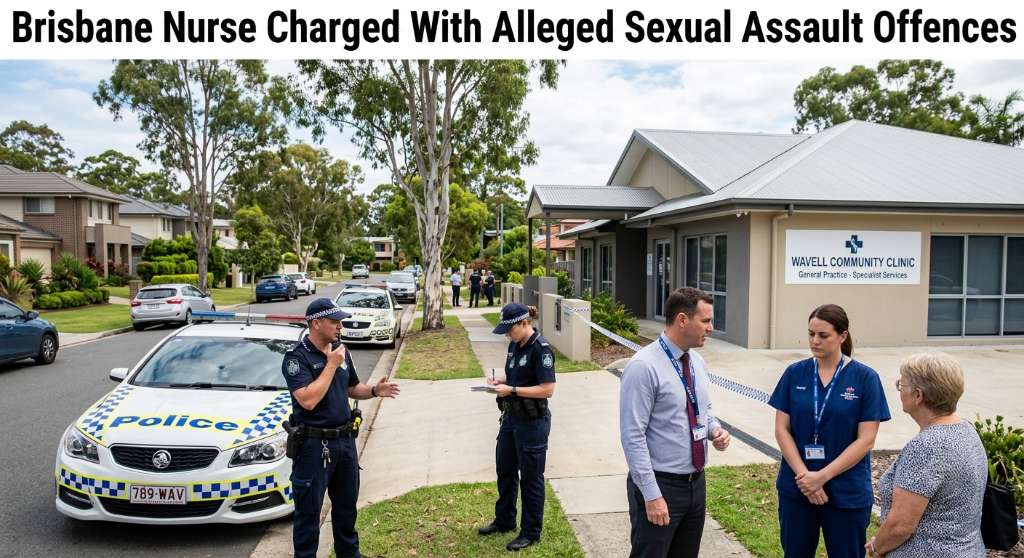
A Wavell Heights enrolled nurse has been charged with four counts of alleged sexual assault and one count of wilful exposure, with his professional regi...
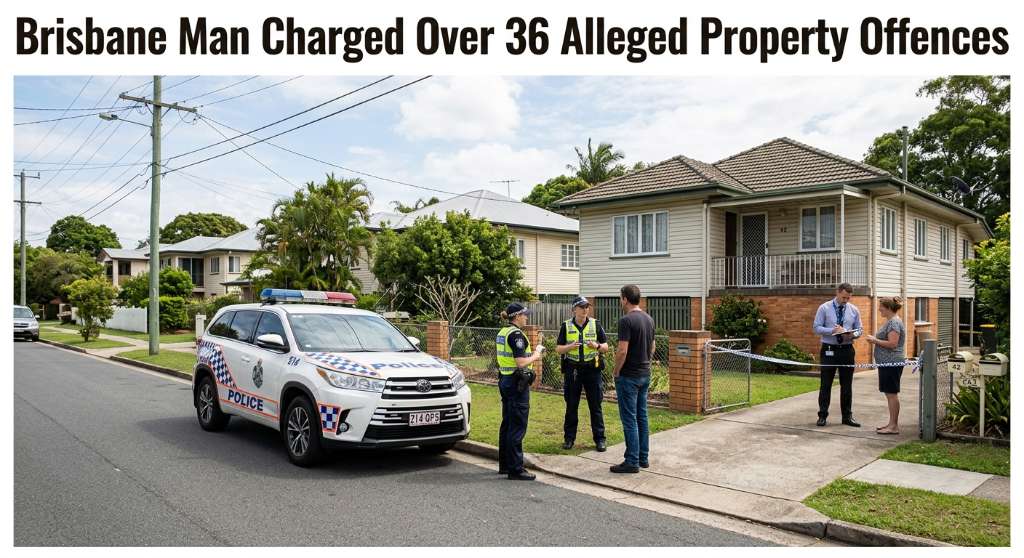
A 24-year-old Carina Heights man has been charged with 36 offences following an investigation into alleged break-ins, vehicle offences and other propert...
Cairns Regional Council has unanimously voted to seek $400,000 in Queensland Government funding for a program designed to connect local businesses with the region’s growing film...
An automated external defibrillator and memorial plaque have been installed at Ellery Creek Big Hole following the death of disability advocate Ellen Fr...
Queensland firefighters spent several hours monitoring a significant grass fire at Mary Kinross Park in Bargara, near Bundaberg, after the blaze broke out on Wednesday evening....