Major Housing Project Announced for Banyo to Deliver 450 New Homes
By Neha · Published 15 Jun 2026 · Updated 15 Jun 2026
Brisbane, QLD · Queensland News
Safety note: Admin approval is an initial review, not a guarantee that every detail is correct. Check important or urgent claims with official sources and report anything inaccurate or unsafe.
Source and credit: Contributor's own report
Smart summary
The Queensland Government has announced a new development project in Banyo, set to transform six hectares of state-owned land into 450 new homes, including affordable housing and an aged care facility.
The Queensland government has announced the next stage of its land activation program, revealing plans to convert vacant and underutilised state-owned land in Brisbane's northern suburb of Banyo into a major residential development expected to deliver 450 new homes.
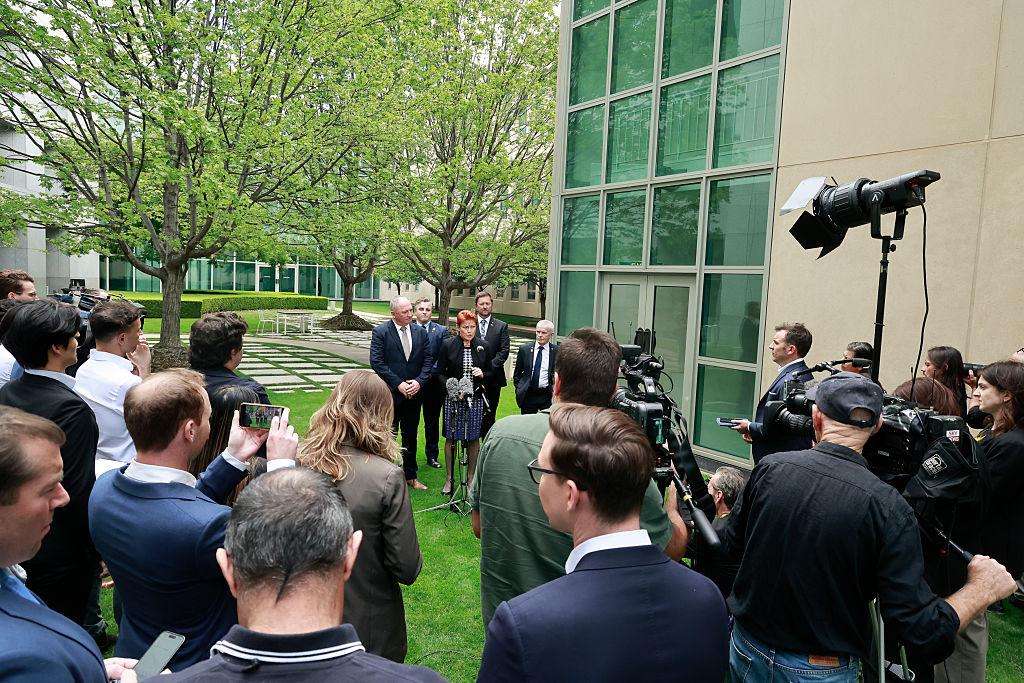
Deputy Premier and Minister responsible for the initiative, Jarrod Bleijie, said the project represented a significant step in addressing Queensland's ongoing housing shortage by increasing the supply of homes across different sectors of the community.
The six-hectare site, previously owned by Energy Queensland, will be developed through a partnership between Economic Development Queensland and three private organisations selected following a competitive expression-of-interest process. More than 150 proposals were received for the land.
Under the proposal, AR Development Group will construct a 207-townhouse residential precinct, while Mission Australia Housing will deliver 64 affordable housing units aimed at supporting lower-income residents struggling to access the private rental market. In addition, Rockpool Holdings will build a 180-bed aged care facility to cater to the region's growing elderly population.
When the site was first announced in February 2026, the state government estimated the development would provide around 400 homes. However, after further planning and consultation with developers, the total number of dwellings increased to 450.
Speaking at the announcement, Mr Bleijie emphasised that boosting housing supply remained the government's primary strategy to combat affordability pressures.
"People often ask what the solution to the housing crisis is, and the answer is supply — supply, supply, supply," he said. "We need to build more homes, and we need to build them quickly."
The Banyo project forms part of the broader land activation program launched earlier this year. The initiative identifies surplus or underused government-owned land that can be repurposed for residential development. Since the program's introduction, more than 21 hectares of land have been released to the market, while approximately 3,000 additional hectares are currently being assessed for future projects.
Despite the positive reception from industry groups, some local residents have raised concerns about whether existing infrastructure can support the influx of new residents. Questions have been raised regarding traffic congestion, parking availability, stormwater management and sewerage capacity in the area.
Banyo resident Chris Vale said community members had not received sufficient consultation about the increased scale of the development. He expressed concern that local roads and services may struggle to accommodate hundreds of additional households.
In response, Mr Bleijie assured residents that formal development applications would undergo detailed assessment processes, including reviews of transport links, drainage systems, flooding impacts and other infrastructure requirements before construction commences.
Industry representatives welcomed the initiative, describing it as an example of how collaboration between government and the private sector can improve housing affordability and availability.
Early site works are expected to begin later this year, with construction scheduled to commence in early 2027. Once completed, the Banyo project is expected to provide a diverse range of housing options while contributing to Queensland's broader efforts to ease housing pressures across the state.
HousingDevelopmentLandSupplyBanyo
The Queensland government has announced the next stage of its land activation program, revealing plans to convert vacant and underutilised state-owned land in Brisbane's northern suburb of Banyo into a major residential development expected to deliver 450 new homes.
Deputy Premier and Minister responsible for the initiative, Jarrod Bleijie, said the project represented a significant step in addressing Queensland's ongoing housing shortage by increasing the supply of homes across different sectors of the community.
The six-hectare site, previously owned by Energy Queensland, will be developed through a partnership between Economic Development Queensland and three private organisations selected following a competitive expression-of-interest process. More than 150 proposals were received for the land.
Under the proposal, AR Development Group will construct a 207-townhouse residential precinct, while Mission Australia Housing will deliver 64 affordable housing units aimed at supporting lower-income residents struggling to access the private rental market. In addition, Rockpool Holdings will build a 180-bed aged care facility to cater to the region's growing elderly population.
When the site was first announced in February 2026, the state government estimated the development would provide around 400 homes. However, after further planning and consultation with developers, the total number of dwellings increased to 450.
Speaking at the announcement, Mr Bleijie emphasised that boosting housing supply remained the government's primary strategy to combat affordability pressures.
"People often ask what the solution to the housing crisis is, and the answer is supply — supply, supply, supply," he said. "We need to build more homes, and we need to build them quickly."
The Banyo project forms part of the broader land activation program launched earlier this year. The initiative identifies surplus or underused government-owned land that can be repurposed for residential development. Since the program's introduction, more than 21 hectares of land have been released to the market, while approximately 3,000 additional hectares are currently being assessed for future projects.
Despite the positive reception from industry groups, some local residents have raised concerns about whether existing infrastructure can support the influx of new residents. Questions have been raised regarding traffic congestion, parking availability, stormwater management and sewerage capacity in the area.
Banyo resident Chris Vale said community members had not received sufficient consultation about the increased scale of the development. He expressed concern that local roads and services may struggle to accommodate hundreds of additional households.
In response, Mr Bleijie assured residents that formal development applications would undergo detailed assessment processes, including reviews of transport links, drainage systems, flooding impacts and other infrastructure requirements before construction commences.
Industry representatives welcomed the initiative, describing it as an example of how collaboration between government and the private sector can improve housing affordability and availability.
Early site works are expected to begin later this year, with construction scheduled to commence in early 2027. Once completed, the Banyo project is expected to provide a diverse range of housing options while contributing to Queensland's broader efforts to ease housing pressures across the state.
The Federal Government is preparing new measures targeting temporary visas, visa overstayers, international students and visa-hopping, while maintaining...
One Nation’s proposed major reduction in migration has triggered warnings that a sharp cut to population growth could weaken Australia’s economy and cre...
The Queensland Police Service is facing scrutiny over conditions inside the state’s watch houses after Workplace Health and Safety Queensland issued multiple regulatory notices....
Queensland Police are investigating allegations of a serious se-xual offence connected to a private rehabilitation clinic in Queensland. The investigation has attracted attentio...
Detectives from the Upper Mt Gravatt Criminal Investigation Branch have charged two more people in connection with a fatal traffic crash that occurred in Runcorn on Sunday, 28 J...
An investigation published on 1 September 2026 has raised serious questions about safety procedures at The Star Brisbane after reports that internal warnings about a safety flaw...
Queensland's emerging football prospects are coming together for a three-day Brisbane Lions State Academy showcase, giving young players an opportunity...
A Wavell Heights enrolled nurse has been charged with four counts of alleged sexual assault and one count of wilful exposure, with his professional regi...
A 24-year-old Carina Heights man has been charged with 36 offences following an investigation into alleged break-ins, vehicle offences and other propert...
Cairns Regional Council has unanimously voted to seek $400,000 in Queensland Government funding for a program designed to connect local businesses with the region’s growing film...
An automated external defibrillator and memorial plaque have been installed at Ellery Creek Big Hole following the death of disability advocate Ellen Fr...
Queensland firefighters spent several hours monitoring a significant grass fire at Mary Kinross Park in Bargara, near Bundaberg, after the blaze broke out on Wednesday evening....