Safety note: Admin approval is an initial review, not a guarantee that every detail is correct. Check important or urgent claims with official sources and report anything inaccurate or unsafe.
Queensland Government Rejects Key Nightlife Reform Proposals Ahead of Brisbane 2032
Smart summary
The Queensland Government has released its response to the state's landmark 62-point Night-Life Economy Report, accepting a number of recommendations while declining or only partially supporting several major reforms...
The Queensland Government has released its response to the state's landmark 62-point Night-Life Economy Report, accepting a number of recommendations while declining or only partially supporting several major reforms aimed at reshaping Brisbane's after-dark economy ahead of the 2032 Olympic and Paralympic Games. The report, prepared by Queensland's inaugural Night-Life Economy Commissioner John Collins, outlines a long-term vision to create a safer, more vibrant and internationally competitive nightlife sector.
The report focuses on three key priorities: improving vibrancy, strengthening public safety and making it easier for businesses to operate. Among its recommendations were longer retail trading hours, more flexible liquor licensing, simplified ID scanning requirements for venues, improved late-night public transport and measures to encourage more live entertainment across Queensland. Supporters argue these reforms would help Brisbane compete with other major Australian cities while preparing for increased international tourism during the 2032 Olympic Games.
In its official response, the Queensland Government agreed to implement several public safety initiatives. These include expanding access to free drink-spiking test kits, installing additional mobile phone charging stations in entertainment precincts and continuing programs that support local musicians and live performances. Officials said these measures are intended to improve the safety and experience of people enjoying Queensland's nightlife while supporting the hospitality and entertainment industries.
However, the government rejected several of the report's most significant proposals. Recommendations to extend retail trading hours in entertainment precincts, relax alcohol trading restrictions on certain public holidays and significantly reform mandatory ID scanning requirements were not adopted. Government representatives said these proposals require further consultation and must carefully balance business interests with public safety, community expectations and regulatory responsibilities.
Hospitality and entertainment industry leaders expressed mixed reactions to the government's response. While welcoming the acceptance of some safety and business support measures, they argued that rejecting key reforms could slow the growth of Queensland's night-time economy. Industry representatives believe more ambitious reforms are needed if Brisbane is to establish itself as a leading international entertainment destination before the 2032 Games.
The report also recognises the significant economic contribution of Queensland's nightlife industry, which supports thousands of jobs across hospitality, tourism, live music, arts and cultural sectors. Business groups say stronger policy support could encourage investment, attract more visitors and create additional employment opportunities throughout Brisbane and other regional centres.
Government officials said the accepted recommendations represent the first stage of broader reforms and confirmed they will continue working with industry groups, local councils and community organisations to assess additional proposals over time. Authorities emphasised that future changes will continue to prioritise community safety while supporting economic growth and cultural development.
As Brisbane continues preparing to host the 2032 Olympic and Paralympic Games, strengthening the city's night-time economy remains an important objective. The latest response highlights the government's willingness to support selected reforms while taking a more cautious approach to broader regulatory changes. Industry stakeholders are expected to continue advocating for additional measures that encourage live entertainment, extended trading opportunities and greater flexibility for businesses operating after dark.
GovernmentQueenslandEntertainmentBrisbaneReforms
The Queensland Government has released its response to the state's landmark 62-point Night-Life Economy Report, accepting a number of recommendations while declining or only partially supporting several major reforms aimed at reshaping Brisbane's after-dark economy ahead of the 2032 Olympic and Paralympic Games. The report, prepared by Queensland's inaugural Night-Life Economy Commissioner John Collins, outlines a long-term vision to create a safer, more vibrant and internationally competitive nightlife sector.
The report focuses on three key priorities: improving vibrancy, strengthening public safety and making it easier for businesses to operate. Among its recommendations were longer retail trading hours, more flexible liquor licensing, simplified ID scanning requirements for venues, improved late-night public transport and measures to encourage more live entertainment across Queensland. Supporters argue these reforms would help Brisbane compete with other major Australian cities while preparing for increased international tourism during the 2032 Olympic Games.
In its official response, the Queensland Government agreed to implement several public safety initiatives. These include expanding access to free drink-spiking test kits, installing additional mobile phone charging stations in entertainment precincts and continuing programs that support local musicians and live performances. Officials said these measures are intended to improve the safety and experience of people enjoying Queensland's nightlife while supporting the hospitality and entertainment industries.
However, the government rejected several of the report's most significant proposals. Recommendations to extend retail trading hours in entertainment precincts, relax alcohol trading restrictions on certain public holidays and significantly reform mandatory ID scanning requirements were not adopted. Government representatives said these proposals require further consultation and must carefully balance business interests with public safety, community expectations and regulatory responsibilities.
Hospitality and entertainment industry leaders expressed mixed reactions to the government's response. While welcoming the acceptance of some safety and business support measures, they argued that rejecting key reforms could slow the growth of Queensland's night-time economy. Industry representatives believe more ambitious reforms are needed if Brisbane is to establish itself as a leading international entertainment destination before the 2032 Games.
The report also recognises the significant economic contribution of Queensland's nightlife industry, which supports thousands of jobs across hospitality, tourism, live music, arts and cultural sectors. Business groups say stronger policy support could encourage investment, attract more visitors and create additional employment opportunities throughout Brisbane and other regional centres.
Government officials said the accepted recommendations represent the first stage of broader reforms and confirmed they will continue working with industry groups, local councils and community organisations to assess additional proposals over time. Authorities emphasised that future changes will continue to prioritise community safety while supporting economic growth and cultural development.
As Brisbane continues preparing to host the 2032 Olympic and Paralympic Games, strengthening the city's night-time economy remains an important objective. The latest response highlights the government's willingness to support selected reforms while taking a more cautious approach to broader regulatory changes. Industry stakeholders are expected to continue advocating for additional measures that encourage live entertainment, extended trading opportunities and greater flexibility for businesses operating after dark.
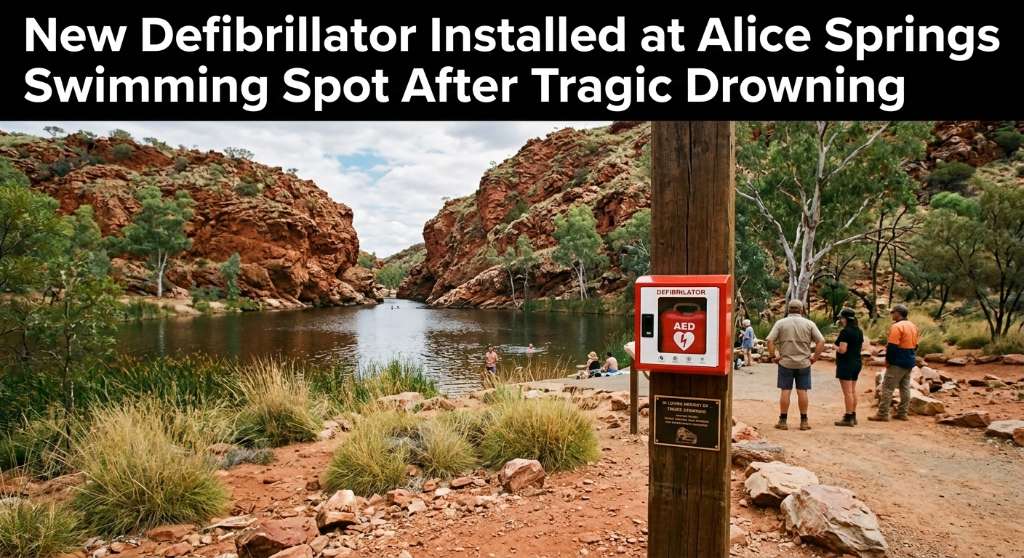
An automated external defibrillator and memorial plaque have been installed at Ellery Creek Big Hole following the death of disability advocate Ellen Fr...
Bathurst New South Wales · Community News · 17 Sep 2026
Kerry “Pecky” Peck, a long-standing Bathurst radio personality, has been inducted into the Bathurst Business Hall of Fame in recognition of his extensive contribution to the loc...
A new specialist family-violence support model has been introduced in Ballarat, with dedicated workers now embedded alongside Victoria Police to help people experiencing family...
Orange New South Wales · Community News · 17 Sep 2026
Orange City Council has elected a new Deputy Mayor for the next two years, with the decision announced today, 17 September 2026. The council said the election took place during...
The Queensland Police Service is facing scrutiny over conditions inside the state’s watch houses after Workplace Health and Safety Queensland issued multiple regulatory notices....
Queensland Police are investigating allegations of a serious se-xual offence connected to a private rehabilitation clinic in Queensland. The investigation has attracted attentio...
Detectives from the Upper Mt Gravatt Criminal Investigation Branch have charged two more people in connection with a fatal traffic crash that occurred in Runcorn on Sunday, 28 J...
An investigation published on 1 September 2026 has raised serious questions about safety procedures at The Star Brisbane after reports that internal warnings about a safety flaw...
Cairns Regional Council has unanimously voted to seek $400,000 in Queensland Government funding for a program designed to connect local businesses with the region’s growing film...
Queensland firefighters spent several hours monitoring a significant grass fire at Mary Kinross Park in Bargara, near Bundaberg, after the blaze broke out on Wednesday evening....
New funding from local charity Wishlist is improving communication support for patients at Bundaberg Hospital, with resources designed to help people communicate more effectivel...
The Gold Coast is set to build excitement for one of Queensland’s biggest annual sporting events, with Supercars announcing a free community launch event ahead of the 2026 Boost...
Cairns Regional Council has unanimously voted to seek $400,000 in Queensland Government funding for a program designed to connect local businesses with the region’s growing film...
An automated external defibrillator and memorial plaque have been installed at Ellery Creek Big Hole following the death of disability advocate Ellen Fr...
Queensland firefighters spent several hours monitoring a significant grass fire at Mary Kinross Park in Bargara, near Bundaberg, after the blaze broke out on Wednesday evening....