Safety note: Admin approval is an initial review, not a guarantee that every detail is correct. Check important or urgent claims with official sources and report anything inaccurate or unsafe.
Source and credit: Contributor's own report
Rare Sambar Deer Sighting in Riverland Raises Fears of Illegal Release - Loxton, SA
Smart summary
Authorities are investigating after one of Australia's largest feral deer species was detected in South Australia's Riverland for the first time, sparking concerns about biosecurity risks and the future of the state's...
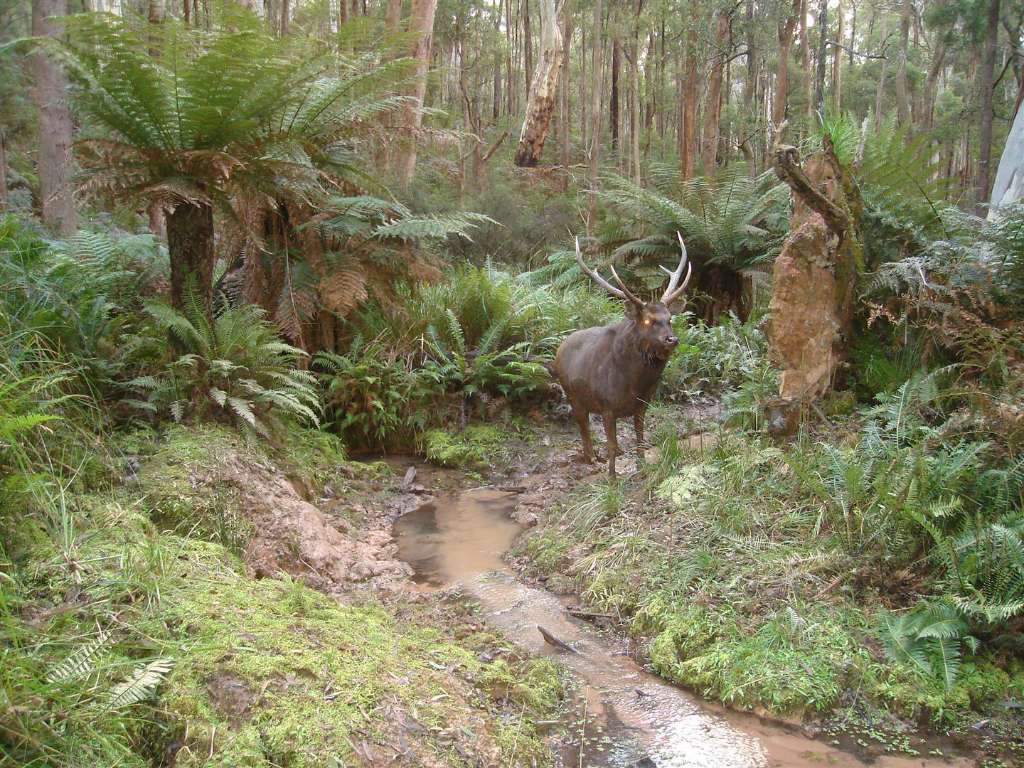
A rare sighting of a sambar deer in South Australia's Riverland has prompted fresh concerns among environmental groups and government agencies, with experts suggesting the animal may have been illegally transported into the state.
The deer was captured on a remote trail camera in an orchard near Loxton North, marking the first recorded detection of the species in the Riverland region. The sighting occurred earlier this month and has triggered an urgent response from authorities working to prevent the establishment of new feral deer populations.
Sambar deer are among Australia's largest feral deer species, with mature animals capable of weighing up to 300 kilograms and standing more than 1.5 metres tall. Native to parts of Asia, they have established populations in other Australian states, particularly Victoria, where they are considered a significant environmental and agricultural pest.
The Murraylands and Riverland Landscape Board said the discovery was significant because sambar deer are rarely recorded in South Australia.
Senior District Officer Jamie Courtney warned that the species can cause substantial damage to crops, irrigation infrastructure and native vegetation, while also posing a serious hazard to motorists on regional roads.
Environmental advocates believe the circumstances surrounding the sighting warrant close investigation.
The Invasive Species Council suggested the animal may have been deliberately brought into South Australia for hunting purposes, noting previous allegations of illegal deer releases elsewhere in the state. However, hunting representatives strongly rejected those claims, arguing that there is currently no evidence proving how the animal arrived in the Riverland.
Graham Stopp, president of the Conservation and Hunting Alliance of South Australia, described any intentional release of feral animals as unacceptable and urged authorities to focus on confirmed facts while investigations continue.
Meanwhile, the Department of Primary Industries and Regions (PIRSA) has stated that while an illegal release cannot be ruled out, the exact origin of the deer remains unknown.
Officials noted that the considerable distance the animal would have needed to travel makes natural dispersal highly unlikely. The department also revealed that another sambar deer was reported near Marree in outback South Australia last year, where an illegal release was considered a possible explanation.
South Australia has invested heavily in eliminating feral deer through its 10-year eradication strategy, launched in 2022. Authorities say more than 32,000 feral deer have been removed under the program, with an additional $1.5 million recently committed to extend eradication efforts until June 2027.
Landholders and residents are now being urged to report any deer sightings through the Feral Scan app or directly to local authorities. Early detection is considered crucial in preventing new populations from becoming established.
For South Australia, the appearance of a single sambar deer serves as a reminder of the ongoing challenges involved in protecting agriculture, biodiversity and regional communities from invasive species.
As investigations continue, authorities hope swift action will ensure this unusual sighting remains an isolated incident rather than the beginning of a much larger environmental problem.
DeerSouthFeralSambarAuthorities
A rare sighting of a sambar deer in South Australia's Riverland has prompted fresh concerns among environmental groups and government agencies, with experts suggesting the animal may have been illegally transported into the state.
The deer was captured on a remote trail camera in an orchard near Loxton North, marking the first recorded detection of the species in the Riverland region. The sighting occurred earlier this month and has triggered an urgent response from authorities working to prevent the establishment of new feral deer populations.
Sambar deer are among Australia's largest feral deer species, with mature animals capable of weighing up to 300 kilograms and standing more than 1.5 metres tall. Native to parts of Asia, they have established populations in other Australian states, particularly Victoria, where they are considered a significant environmental and agricultural pest.
The Murraylands and Riverland Landscape Board said the discovery was significant because sambar deer are rarely recorded in South Australia.
Senior District Officer Jamie Courtney warned that the species can cause substantial damage to crops, irrigation infrastructure and native vegetation, while also posing a serious hazard to motorists on regional roads.
Environmental advocates believe the circumstances surrounding the sighting warrant close investigation.
The Invasive Species Council suggested the animal may have been deliberately brought into South Australia for hunting purposes, noting previous allegations of illegal deer releases elsewhere in the state. However, hunting representatives strongly rejected those claims, arguing that there is currently no evidence proving how the animal arrived in the Riverland.
Graham Stopp, president of the Conservation and Hunting Alliance of South Australia, described any intentional release of feral animals as unacceptable and urged authorities to focus on confirmed facts while investigations continue.
Meanwhile, the Department of Primary Industries and Regions (PIRSA) has stated that while an illegal release cannot be ruled out, the exact origin of the deer remains unknown.
Officials noted that the considerable distance the animal would have needed to travel makes natural dispersal highly unlikely. The department also revealed that another sambar deer was reported near Marree in outback South Australia last year, where an illegal release was considered a possible explanation.
South Australia has invested heavily in eliminating feral deer through its 10-year eradication strategy, launched in 2022. Authorities say more than 32,000 feral deer have been removed under the program, with an additional $1.5 million recently committed to extend eradication efforts until June 2027.
Landholders and residents are now being urged to report any deer sightings through the Feral Scan app or directly to local authorities. Early detection is considered crucial in preventing new populations from becoming established.
For South Australia, the appearance of a single sambar deer serves as a reminder of the ongoing challenges involved in protecting agriculture, biodiversity and regional communities from invasive species.
As investigations continue, authorities hope swift action will ensure this unusual sighting remains an isolated incident rather than the beginning of a much larger environmental problem.
A vehicle has crashed into a house in Albury, prompting police attendance at a residential property near the intersection of Mate and North streets. The incident was reported to...
A high-profile athlete has returned to court and told the hearing that an alleged unwanted kiss by former broadcaster Alan Jones remained difficult to f...
Work on the $150 million Sydney Town Hall Square project has been paused after the NSW Planning Minister referred the development for review by the Inde...
Global diesel shortages and disrupted shipping routes are pushing up fuel costs and creating growing risks for Australia’s farmers, miners and wider eco...
A push is underway to expand NSW Police drone technology to Gunnedah, with the equipment proposed for crime response, offender searches and emergencies.
Cairns Regional Council has unanimously voted to seek $400,000 in Queensland Government funding for a program designed to connect local businesses with the region’s growing film...
An automated external defibrillator and memorial plaque have been installed at Ellery Creek Big Hole following the death of disability advocate Ellen Fr...
Queensland firefighters spent several hours monitoring a significant grass fire at Mary Kinross Park in Bargara, near Bundaberg, after the blaze broke out on Wednesday evening....