Safety note: Admin approval is an initial review, not a guarantee that every detail is correct. Check important or urgent claims with official sources and report anything inaccurate or unsafe.
Source and credit: Contributor's own report
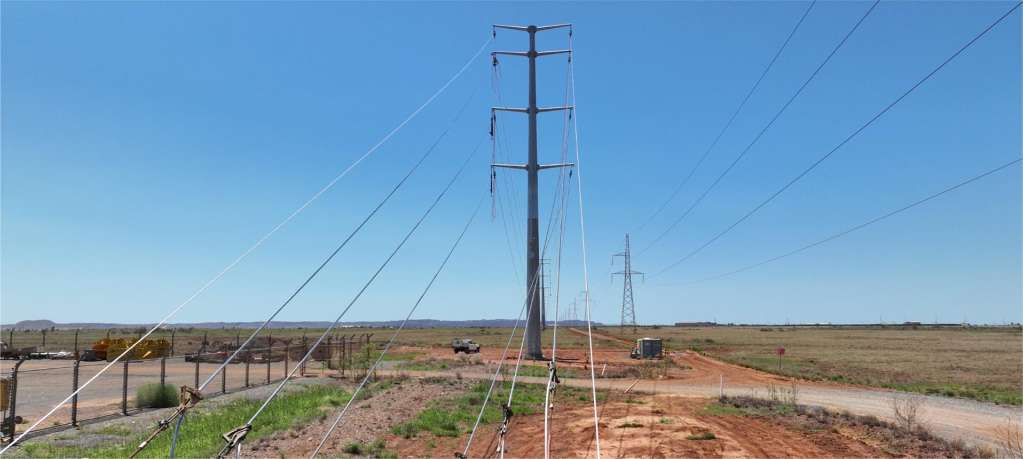
Hunter Transmission Project approved after route changes reduce impacts on homes and endangered frog habitat - Muswellbrook, NSW
Smart summary
The NSW Government has granted conditional approval for the Hunter Transmission Project after redesigning the transmission line route to reduce impacts on private landowners and protect endangered Littlejohn's tree fr...
The New South Wales Government has conditionally approved the Hunter Transmission Project (HTP), a major renewable energy infrastructure project designed to strengthen the state's electricity network and support the transition to cleaner energy.
The project will involve constructing a new 500-kilovolt transmission line stretching more than 100 kilometres between Bayswater in the Upper Hunter and Olney near Lake Macquarie. Once completed, the line will connect renewable energy generated in the Central-West Orana and New England Renewable Energy Zones to homes and businesses across the east coast of New South Wales.
The approval follows months of community consultation and environmental assessments that resulted in significant changes to the original alignment. According to the NSW Government, the revised route reduces the number of directly affected private landowners from around 70 properties to fewer than 20, with approximately 90 per cent of the transmission corridor now passing through government-owned land, mining land or existing energy corridors.
NSW Premier Chris Minns acknowledged the project would remain controversial for some communities but said expanding transmission infrastructure was essential to maintaining reliable electricity supplies while replacing ageing coal-fired power stations.
The project has also been redesigned to minimise environmental impacts, particularly within the Watagans and Olney State Forest, home to the endangered Littlejohn's tree frog. Energy Co says the updated route avoids the vast majority of known breeding ponds and includes additional conservation measures, including support for research and breeding programs in partnership with the University of Newcastle.
Despite those changes, conservation groups remain opposed to the project. Environmental advocates argue that clearing forest habitat could still threaten the long-term survival of the endangered species, even if breeding ponds themselves are protected. They have called for further environmental safeguards before construction begins.
The Hunter Transmission Project will include approximately 200 transmission towers, two new switching stations and upgrades to the existing Bayswater and Eraring substations. Once operational, the infrastructure is expected to add significant electricity transfer capacity to the NSW grid and improve network reliability as renewable generation increases.
Construction is expected to create more than 800 jobs during the building phase, with additional ongoing operational employment after completion. The government says a "Hunter First" procurement approach will prioritise local workers, contractors and suppliers wherever possible.
Negotiations with the remaining affected landowners will continue, with Energy Co stating its preference is to reach voluntary agreements rather than rely on compulsory land acquisition. Community consultation will also continue as detailed design work progresses.
Before construction can commence, the Hunter Transmission Project must still receive approval from the Australian Government under federal environmental legislation. Subject to those approvals, construction is expected to begin in mid-2027, with the project becoming a key component of NSW's long-term renewable energy strategy.
ProjectEnergyTransmissionHunterWill
The New South Wales Government has conditionally approved the Hunter Transmission Project (HTP), a major renewable energy infrastructure project designed to strengthen the state's electricity network and support the transition to cleaner energy.
The project will involve constructing a new 500-kilovolt transmission line stretching more than 100 kilometres between Bayswater in the Upper Hunter and Olney near Lake Macquarie. Once completed, the line will connect renewable energy generated in the Central-West Orana and New England Renewable Energy Zones to homes and businesses across the east coast of New South Wales.
The approval follows months of community consultation and environmental assessments that resulted in significant changes to the original alignment. According to the NSW Government, the revised route reduces the number of directly affected private landowners from around 70 properties to fewer than 20, with approximately 90 per cent of the transmission corridor now passing through government-owned land, mining land or existing energy corridors.
NSW Premier Chris Minns acknowledged the project would remain controversial for some communities but said expanding transmission infrastructure was essential to maintaining reliable electricity supplies while replacing ageing coal-fired power stations.
The project has also been redesigned to minimise environmental impacts, particularly within the Watagans and Olney State Forest, home to the endangered Littlejohn's tree frog. Energy Co says the updated route avoids the vast majority of known breeding ponds and includes additional conservation measures, including support for research and breeding programs in partnership with the University of Newcastle.
Despite those changes, conservation groups remain opposed to the project. Environmental advocates argue that clearing forest habitat could still threaten the long-term survival of the endangered species, even if breeding ponds themselves are protected. They have called for further environmental safeguards before construction begins.
The Hunter Transmission Project will include approximately 200 transmission towers, two new switching stations and upgrades to the existing Bayswater and Eraring substations. Once operational, the infrastructure is expected to add significant electricity transfer capacity to the NSW grid and improve network reliability as renewable generation increases.
Construction is expected to create more than 800 jobs during the building phase, with additional ongoing operational employment after completion. The government says a "Hunter First" procurement approach will prioritise local workers, contractors and suppliers wherever possible.
Negotiations with the remaining affected landowners will continue, with Energy Co stating its preference is to reach voluntary agreements rather than rely on compulsory land acquisition. Community consultation will also continue as detailed design work progresses.
Before construction can commence, the Hunter Transmission Project must still receive approval from the Australian Government under federal environmental legislation. Subject to those approvals, construction is expected to begin in mid-2027, with the project becoming a key component of NSW's long-term renewable energy strategy.
An Edge Early Learning centre in Port Augusta has been ordered to close for two weeks after a child with allergies was hospitalised after being given fo...
The statewide scheme allows eligible renters to transfer their existing bond directly to a new rental property instead of paying a second bond upfront.
Global diesel shortages and disrupted shipping routes are pushing up fuel costs and creating growing risks for Australia’s farmers, miners and wider eco...
Central Coast New South Wales · General News · 15 Sep 2026
A teenager accused of negligent driving following a fatal crash on the NSW Central Coast has been refused bail in court today, Tuesday, September 15, 2026. The case follows a se...
Global diesel shortages and disrupted shipping routes are pushing up fuel costs and creating growing risks for Australia’s farmers, miners and wider eco...
A push is underway to expand NSW Police drone technology to Gunnedah, with the equipment proposed for crime response, offender searches and emergencies.
Cairns Regional Council has unanimously voted to seek $400,000 in Queensland Government funding for a program designed to connect local businesses with the region’s growing film...
An automated external defibrillator and memorial plaque have been installed at Ellery Creek Big Hole following the death of disability advocate Ellen Fr...
Queensland firefighters spent several hours monitoring a significant grass fire at Mary Kinross Park in Bargara, near Bundaberg, after the blaze broke out on Wednesday evening....