Safety note: Admin approval is an initial review, not a guarantee that every detail is correct. Check important or urgent claims with official sources and report anything inaccurate or unsafe.
Source and credit: Contributor's own report
Rockhampton Council Rejects Proposed Disaster Funding Reforms - Rockhampton, QLD
Smart summary
Rockhampton Regional Council has strongly rejected proposed changes to Queensland’s Disaster Recovery Funding Arrangements, warning they could affect future recovery support for the region.
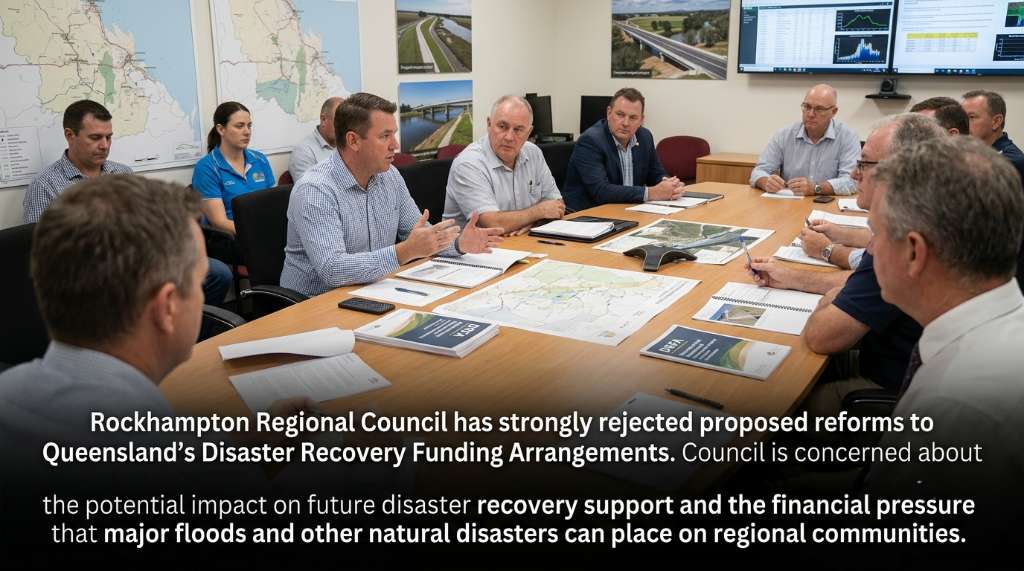
Rockhampton Regional Council has voted to strongly reject proposed reforms to the Disaster Recovery Funding Arrangements (DRFA), raising concerns about how changes could affect disaster recovery support for communities across the region.
The DRFA provides financial assistance following major disasters, helping councils and communities recover from events such as floods, storms and other natural disasters. For regional Queensland communities, access to recovery funding can be particularly important because major weather events can cause extensive damage to roads, public infrastructure and essential community facilities.
Rockhampton and the wider Central Queensland region have experienced significant weather and flooding events in the past, making disaster-recovery arrangements an important local issue.
Council's decision signals concern that proposed changes could place additional financial pressure on local government following future disasters. Councils are responsible for maintaining large networks of roads, drainage infrastructure, public facilities and other assets, meaning recovery costs can become substantial after major events.
The debate is not simply about immediate disaster assistance. Long-term recovery can involve repairing infrastructure, restoring public spaces and supporting communities as they return to normal operations.
For Rockhampton residents, reliable disaster funding can therefore have a direct impact on how quickly damaged infrastructure is repaired and services are restored following a major event.
Council's opposition comes as governments consider how Australia's disaster-recovery funding arrangements should operate in the future. Changes to funding responsibilities can affect the balance between federal, state and local governments.
Regional councils have argued that they need appropriate support because they often manage extensive infrastructure across large geographic areas while operating with comparatively limited local revenue bases.
The Rockhampton Regional Council decision provides a clear local response to the proposed reforms and places the issue on the agenda for further discussion with state and federal authorities.
The debate is likely to continue as governments consider feedback from councils and other stakeholders.
For the Rockhampton community, the key concern is ensuring that adequate financial support remains available when major disasters occur. Effective recovery funding can help communities rebuild damaged infrastructure and reduce the financial burden placed directly on local councils and ratepayers.
The decision is a new Rockhampton local-government story reported today, 19 August 2026, and is different from the previously covered Rockhampton stories.
Rockhampton Regional Council has voted to strongly reject proposed reforms to the Disaster Recovery Funding Arrangements (DRFA), raising concerns about how changes could affect disaster recovery support for communities across the region.
The DRFA provides financial assistance following major disasters, helping councils and communities recover from events such as floods, storms and other natural disasters. For regional Queensland communities, access to recovery funding can be particularly important because major weather events can cause extensive damage to roads, public infrastructure and essential community facilities.
Rockhampton and the wider Central Queensland region have experienced significant weather and flooding events in the past, making disaster-recovery arrangements an important local issue.
Council's decision signals concern that proposed changes could place additional financial pressure on local government following future disasters. Councils are responsible for maintaining large networks of roads, drainage infrastructure, public facilities and other assets, meaning recovery costs can become substantial after major events.
The debate is not simply about immediate disaster assistance. Long-term recovery can involve repairing infrastructure, restoring public spaces and supporting communities as they return to normal operations.
For Rockhampton residents, reliable disaster funding can therefore have a direct impact on how quickly damaged infrastructure is repaired and services are restored following a major event.
Council's opposition comes as governments consider how Australia's disaster-recovery funding arrangements should operate in the future. Changes to funding responsibilities can affect the balance between federal, state and local governments.
Regional councils have argued that they need appropriate support because they often manage extensive infrastructure across large geographic areas while operating with comparatively limited local revenue bases.
The Rockhampton Regional Council decision provides a clear local response to the proposed reforms and places the issue on the agenda for further discussion with state and federal authorities.
The debate is likely to continue as governments consider feedback from councils and other stakeholders.
For the Rockhampton community, the key concern is ensuring that adequate financial support remains available when major disasters occur. Effective recovery funding can help communities rebuild damaged infrastructure and reduce the financial burden placed directly on local councils and ratepayers.
The decision is a new Rockhampton local-government story reported today, 19 August 2026, and is different from the previously covered Rockhampton stories.
New South Wales senator David Shoebridge has been elected leader of the Australian Greens following an internal party-room ballot, succeeding Larissa Wa...
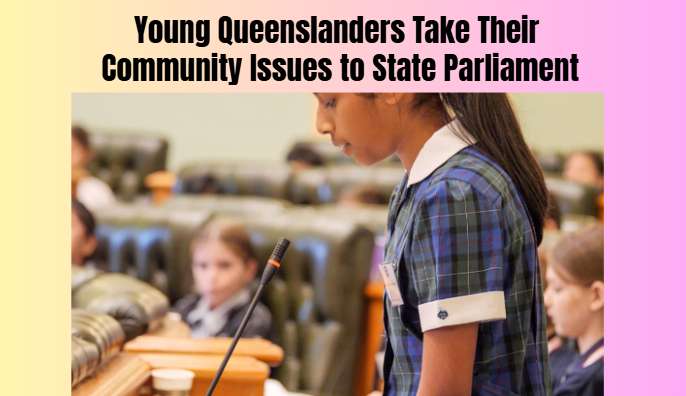
Young people from regional and remote Queensland communities are participating in youth councils and a state youth parliament, raising issues such as di...
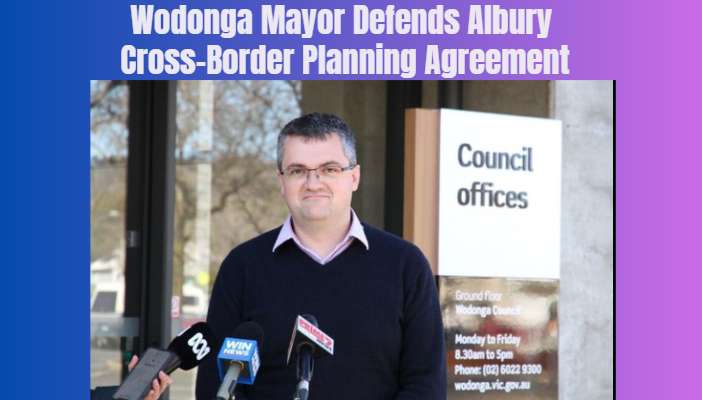
Wodonga councillors have extended the Two Cities One Community agreement with Albury until 2030, despite criticism from one councillor over the value of...
A Queensland government audit has identified gaps in record-keeping around social housing applications cancelled because applicants could not be contact...
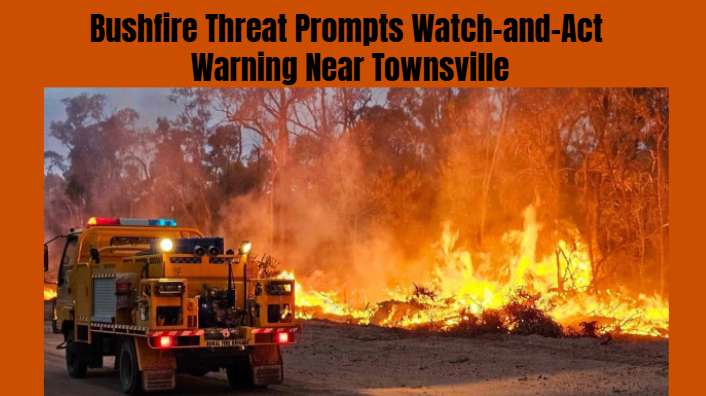
Fire crews and water-bombing helicopters are responding to a fast-moving bushfire near Oak Valley, north of Townsville, as residents in nearby areas are...
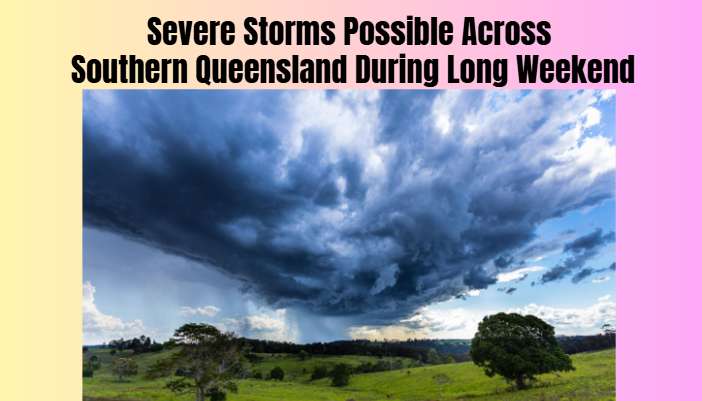
The Bureau of Meteorology is warning of possible thunderstorms across southern Queensland during the King’s Birthday long weekend, with unsettled weathe...
Changes to Australia’s working holiday visa program have raised concerns among tourism and hospitality businesses in Far North Queensland, where backpac...
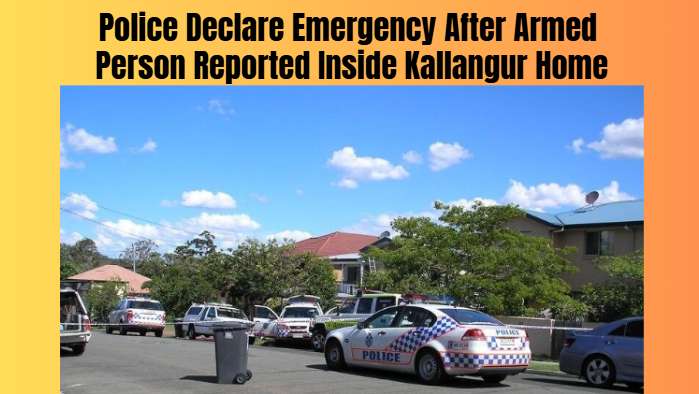
Queensland Police established an emergency exclusion zone in Kallangur, north of Brisbane, after receiving reports of an armed person inside a residence...
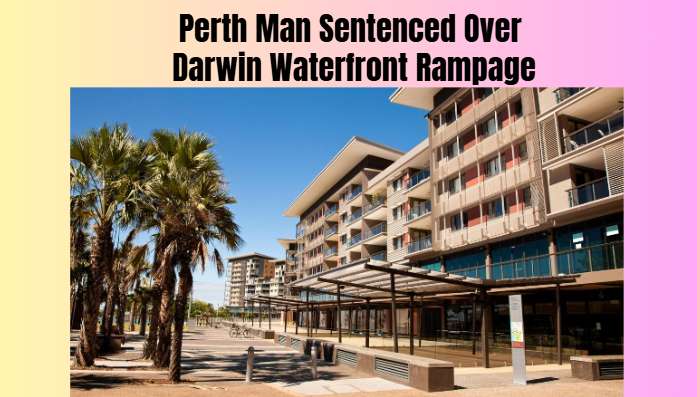
A 36-year-old man extradited from Perth has received a suspended prison sentence after being convicted over a violent incident involving four people at...
Darwin's Frontier Bar and Grill manager Aston Bell has received two industry awards, recognising her leadership, customer service and contribution to th...
A teenager from Devonport has died and four other people were injured after a serious crash involving a ute on Mersey Main Road near Latrobe, Tasmania.