By Neha Maurya · Published 13 Jun 2026 · Updated 13 Jun 2026
Adelaide, South Australia · South Australia News
Safety note: Admin approval is an initial review, not a guarantee that every detail is correct. Check important or urgent claims with official sources and report anything inaccurate or unsafe.
Source and credit: Contributor's own report
SANFL Players Consider Industrial Action Amid Pay Dispute - Adelaide, South Australia
Smart summary
South Australia's top state league footballers are weighing strike action after claims that player wages have failed to keep pace with inflation, leaving many earning the equivalent of less than one-third of the natio...
Players in the South Australian National Football League (SANFL) are considering industrial action as negotiations over improved pay and conditions intensify.
The SANFL Players' Association has confirmed that members will vote next month on whether to pursue collective action, including the possibility of strike action, after raising concerns about declining real wages across the competition.
According to a survey conducted by the players' association, the average SANFL footballer earned approximately $5,000 before tax during 2025, despite committing an average of 16 hours per week to training, match preparation and games across a 39-week season. Based on those figures, players estimate they are effectively receiving around $8 per hour — significantly below Australia's current minimum wage.
The dispute centres on the absence of a formal collective bargaining agreement (CBA) between the league and its players.
Since 2022, standard SANFL contracts have reportedly classified players as permanent part-time employees, prompting the players' association to argue that footballers should be entitled to the same workplace protections available to other Australian employees. The group contends that if minimum wage requirements, superannuation and leave entitlements were applied, many players would be substantially better compensated.
Matt Crocker, president of the SANFL Players' Association, said the issue extends beyond financial reward.
"Just because they're doing something they love we don't think that should mean that they don't get the same protections as other employees in Australia," he said.
Among those supporting further negotiations is Woodville-West Torrens Eagles player Daniel Sladojevic, who said fairer compensation was important for maintaining the quality and reputation of the competition.
He argued that stronger financial support could help retain talented footballers who might otherwise pursue opportunities in country leagues or alternative careers offering greater economic security.
The SANFL has defended its approach, stating that salary arrangements must reflect the financial sustainability of the competition.
In a statement, league officials said their priority was maintaining a strong and viable league for clubs, players and supporters alike.
"Our priority is maintaining a strong, sustainable league for all stakeholders," the SANFL said.
League representatives also indicated that collective bargaining agreements are generally associated with competitions generating substantially larger broadcasting revenues than state-level football.
The debate has sparked broader discussion about the economic realities facing athletes competing outside Australia's major professional sporting leagues.
While SANFL football occupies a prestigious position as one of the country's premier state competitions, many players balance football commitments alongside full-time employment or tertiary study.
The players' association has suggested that both the SANFL and the AFL should work together to explore additional funding options to support state-level football.
Members of the association are scheduled to meet on 5 July, when they will decide whether to accept a proposed memorandum of understanding from the league or continue pursuing a formal collective bargaining agreement through stronger industrial measures.
The outcome could prove significant not only for South Australian football but also for other state competitions around the country, where similar concerns regarding player remuneration and workplace protections have been raised.
For now, players insist their objective is not to undermine the league they love, but to ensure those helping sustain one of Australia's oldest sporting competitions receive fair recognition for their commitment and contribution.
PlayersSanflLeagueAssociationFootball
Players in the South Australian National Football League (SANFL) are considering industrial action as negotiations over improved pay and conditions intensify.
The SANFL Players' Association has confirmed that members will vote next month on whether to pursue collective action, including the possibility of strike action, after raising concerns about declining real wages across the competition.
According to a survey conducted by the players' association, the average SANFL footballer earned approximately $5,000 before tax during 2025, despite committing an average of 16 hours per week to training, match preparation and games across a 39-week season. Based on those figures, players estimate they are effectively receiving around $8 per hour — significantly below Australia's current minimum wage.
The dispute centres on the absence of a formal collective bargaining agreement (CBA) between the league and its players.
Since 2022, standard SANFL contracts have reportedly classified players as permanent part-time employees, prompting the players' association to argue that footballers should be entitled to the same workplace protections available to other Australian employees. The group contends that if minimum wage requirements, superannuation and leave entitlements were applied, many players would be substantially better compensated.
Matt Crocker, president of the SANFL Players' Association, said the issue extends beyond financial reward.
"Just because they're doing something they love we don't think that should mean that they don't get the same protections as other employees in Australia," he said.
Among those supporting further negotiations is Woodville-West Torrens Eagles player Daniel Sladojevic, who said fairer compensation was important for maintaining the quality and reputation of the competition.
He argued that stronger financial support could help retain talented footballers who might otherwise pursue opportunities in country leagues or alternative careers offering greater economic security.
The SANFL has defended its approach, stating that salary arrangements must reflect the financial sustainability of the competition.
In a statement, league officials said their priority was maintaining a strong and viable league for clubs, players and supporters alike.
"Our priority is maintaining a strong, sustainable league for all stakeholders," the SANFL said.
League representatives also indicated that collective bargaining agreements are generally associated with competitions generating substantially larger broadcasting revenues than state-level football.
The debate has sparked broader discussion about the economic realities facing athletes competing outside Australia's major professional sporting leagues.
While SANFL football occupies a prestigious position as one of the country's premier state competitions, many players balance football commitments alongside full-time employment or tertiary study.
The players' association has suggested that both the SANFL and the AFL should work together to explore additional funding options to support state-level football.
Members of the association are scheduled to meet on 5 July, when they will decide whether to accept a proposed memorandum of understanding from the league or continue pursuing a formal collective bargaining agreement through stronger industrial measures.
The outcome could prove significant not only for South Australian football but also for other state competitions around the country, where similar concerns regarding player remuneration and workplace protections have been raised.
For now, players insist their objective is not to undermine the league they love, but to ensure those helping sustain one of Australia's oldest sporting competitions receive fair recognition for their commitment and contribution.
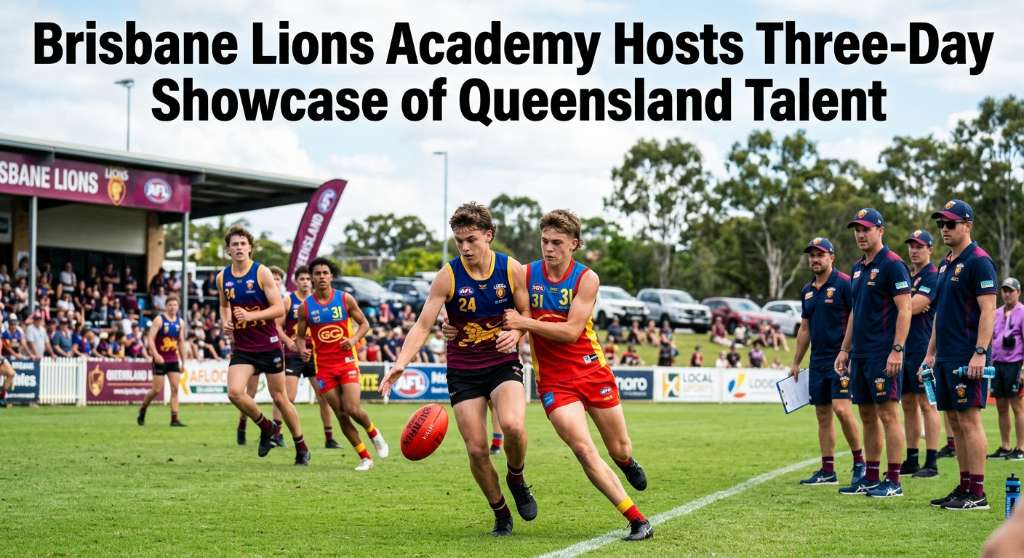
Queensland's emerging football prospects are coming together for a three-day Brisbane Lions State Academy showcase, giving young players an opportunity...
Twenty leading NPL Queensland players have been selected for two upcoming matches against Brisbane Roar as part of the 2026 Mitre Festival of Football.
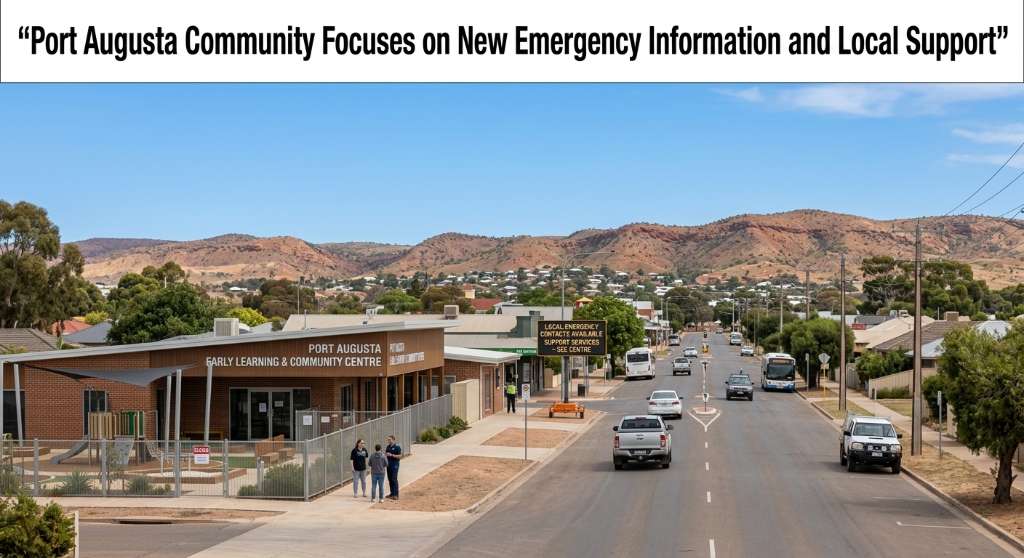
New community information initiatives are helping residents access emergency warnings and local support as Port Augusta and the wider region prepare for...
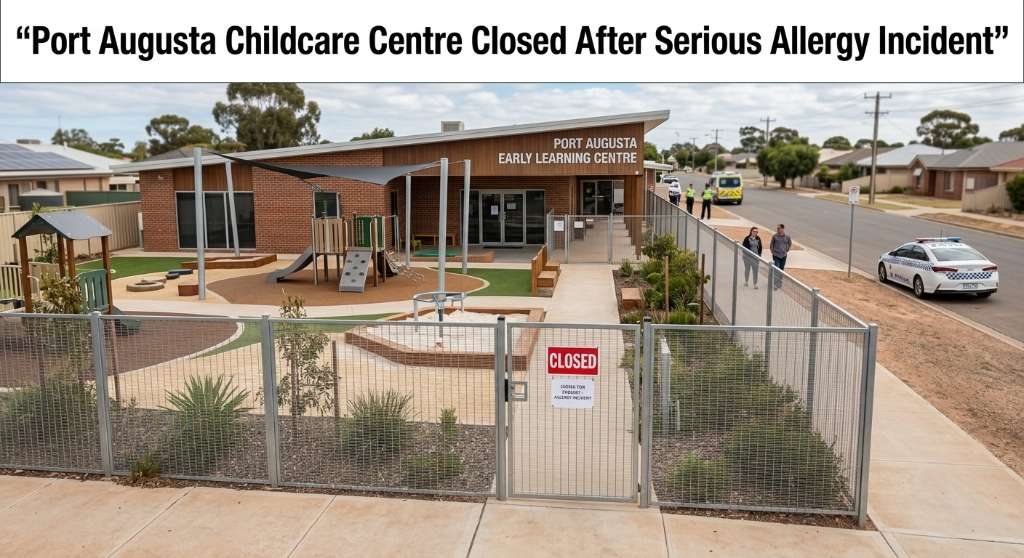
An Edge Early Learning centre in Port Augusta has been ordered to close for two weeks after a child with allergies was hospitalised after being given fo...
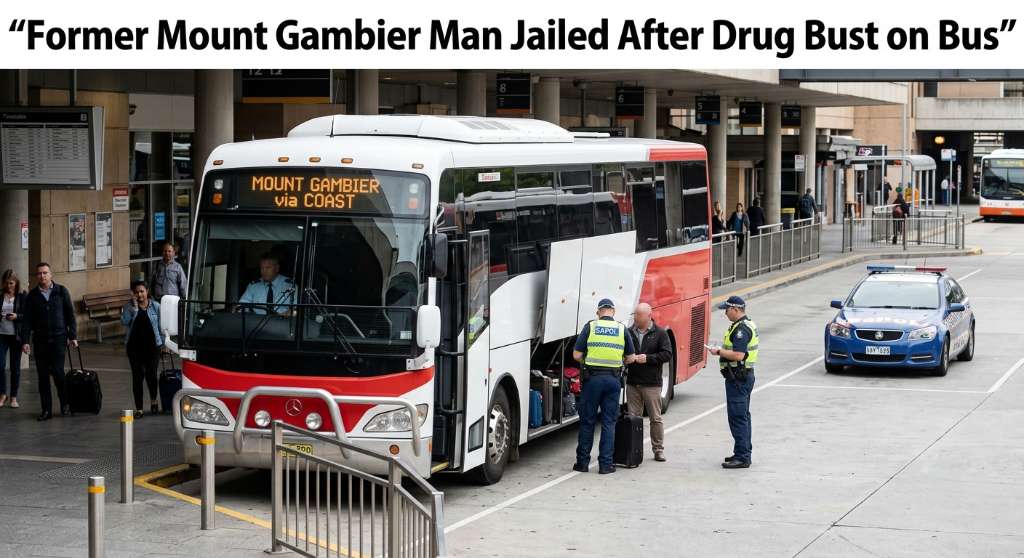
A 44-year-old man has been jailed after police found suspected methamphetamine, GHB and more than $40,000 in cash before he travelled towards Mount Gamb...
Cairns Regional Council has unanimously voted to seek $400,000 in Queensland Government funding for a program designed to connect local businesses with the region’s growing film...
An automated external defibrillator and memorial plaque have been installed at Ellery Creek Big Hole following the death of disability advocate Ellen Fr...
Queensland firefighters spent several hours monitoring a significant grass fire at Mary Kinross Park in Bargara, near Bundaberg, after the blaze broke out on Wednesday evening....