Safety note: Admin approval is an initial review, not a guarantee that every detail is correct. Check important or urgent claims with official sources and report anything inaccurate or unsafe.
Source and credit: Contributor's own report
Bird flu reaches Seal Island, placing endangered Australian sea lions at greater risk - Port Lincoln, SA
Smart summary
Authorities have confirmed the arrival of highly pathogenic bird flu on South Australia's Seal Island, raising concerns for one of the nation's most vulnerable Australian sea lion colonies.
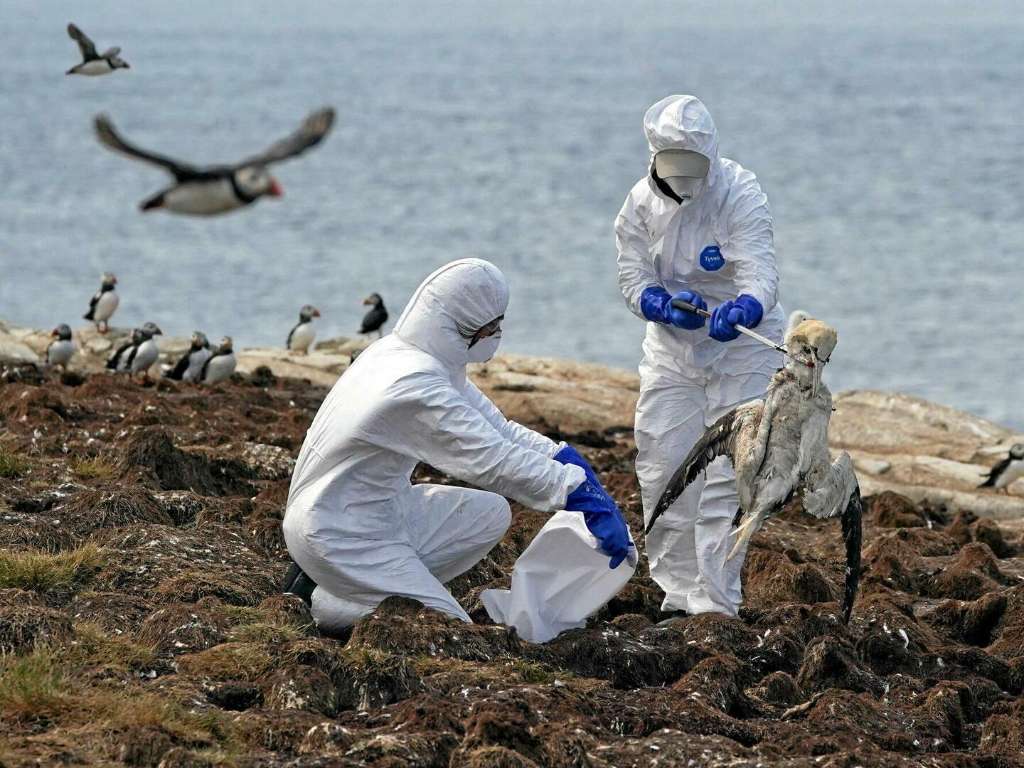
Highly pathogenic avian influenza (H5N1), commonly known as bird flu, has been detected on Seal Island in South Australia, prompting serious concerns among wildlife experts about the future of one of Australia's most important colonies of endangered Australian sea lions. Conservationists warn that the disease poses a significant threat to native wildlife and could have devastating consequences for already declining marine mammal populations.
Seal Island is home to one of the country's largest breeding colonies of Australian sea lions, a species listed as endangered due to habitat loss, low reproductive rates and other environmental pressures. Scientists fear that if the virus spreads from infected seabirds to sea lions, it could trigger a rapid population decline similar to outbreaks seen overseas, where marine mammals have suffered mass deaths from H5N1.
Wildlife authorities are closely monitoring bird and marine mammal populations on the island. Increased surveillance has been introduced to detect sick or dead animals, while biosecurity measures are being strengthened to reduce the risk of further spread. Experts are encouraging the public to avoid approaching or handling dead birds and marine mammals and to report any unusual wildlife deaths immediately.
The H5N1 virus has caused widespread outbreaks across Europe, North America and South America over recent years, infecting millions of wild birds and spreading to numerous mammal species, including seals, sea lions and dolphins. Australian authorities have been preparing for the possibility of similar impacts, recognising the country's unique wildlife could face significant threats if transmission becomes widespread.
Researchers say Australian sea lions are particularly vulnerable because they breed in relatively small, isolated colonies and produce only one pup every 18 months. A major disease outbreak could therefore have long-lasting impacts on population recovery and conservation efforts. Scientists are working with government agencies to monitor animal health and evaluate possible responses should infections be detected among sea lions.
Authorities emphasise there is currently no evidence of widespread infection among sea lions at Seal Island. However, they say early detection and rapid response will be essential to protecting Australia's unique marine wildlife. Environmental groups have also called for continued investment in wildlife surveillance, research and conservation programs to reduce the risk of extinction for endangered species.
The detection of bird flu on Seal Island highlights the growing challenge posed by emerging wildlife diseases and the importance of coordinated biosecurity efforts to protect Australia's biodiversity. Scientists will continue monitoring the situation closely in the coming weeks as migratory birds move through the region.
LionsWildlifeIslandMarineSeal
Highly pathogenic avian influenza (H5N1), commonly known as bird flu, has been detected on Seal Island in South Australia, prompting serious concerns among wildlife experts about the future of one of Australia's most important colonies of endangered Australian sea lions. Conservationists warn that the disease poses a significant threat to native wildlife and could have devastating consequences for already declining marine mammal populations.
Seal Island is home to one of the country's largest breeding colonies of Australian sea lions, a species listed as endangered due to habitat loss, low reproductive rates and other environmental pressures. Scientists fear that if the virus spreads from infected seabirds to sea lions, it could trigger a rapid population decline similar to outbreaks seen overseas, where marine mammals have suffered mass deaths from H5N1.
Wildlife authorities are closely monitoring bird and marine mammal populations on the island. Increased surveillance has been introduced to detect sick or dead animals, while biosecurity measures are being strengthened to reduce the risk of further spread. Experts are encouraging the public to avoid approaching or handling dead birds and marine mammals and to report any unusual wildlife deaths immediately.
The H5N1 virus has caused widespread outbreaks across Europe, North America and South America over recent years, infecting millions of wild birds and spreading to numerous mammal species, including seals, sea lions and dolphins. Australian authorities have been preparing for the possibility of similar impacts, recognising the country's unique wildlife could face significant threats if transmission becomes widespread.
Researchers say Australian sea lions are particularly vulnerable because they breed in relatively small, isolated colonies and produce only one pup every 18 months. A major disease outbreak could therefore have long-lasting impacts on population recovery and conservation efforts. Scientists are working with government agencies to monitor animal health and evaluate possible responses should infections be detected among sea lions.
Authorities emphasise there is currently no evidence of widespread infection among sea lions at Seal Island. However, they say early detection and rapid response will be essential to protecting Australia's unique marine wildlife. Environmental groups have also called for continued investment in wildlife surveillance, research and conservation programs to reduce the risk of extinction for endangered species.
The detection of bird flu on Seal Island highlights the growing challenge posed by emerging wildlife diseases and the importance of coordinated biosecurity efforts to protect Australia's biodiversity. Scientists will continue monitoring the situation closely in the coming weeks as migratory birds move through the region.
New funding from local charity Wishlist is improving communication support for patients at Bundaberg Hospital, with resources designed to help people communicate more effectivel...
New figures have renewed concerns about emergency department delays at Royal Hobart Hospital, with the health system facing questions over patient waiti...
Central Coast New South Wales · Health News · 10 Sep 2026
The design for new Key Health Worker Accommodation at Wyong has been released today, with the project aimed at helping address the need for suitable accommodation for healthcare...
New community information initiatives are helping residents access emergency warnings and local support as Port Augusta and the wider region prepare for...
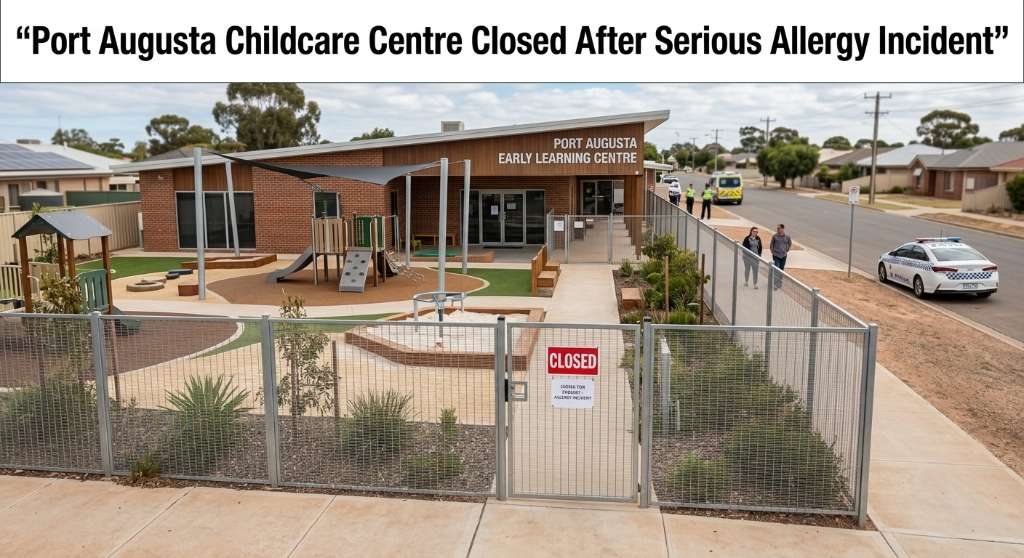
An Edge Early Learning centre in Port Augusta has been ordered to close for two weeks after a child with allergies was hospitalised after being given fo...
A 44-year-old man has been jailed after police found suspected methamphetamine, GHB and more than $40,000 in cash before he travelled towards Mount Gamb...
Cairns Regional Council has unanimously voted to seek $400,000 in Queensland Government funding for a program designed to connect local businesses with the region’s growing film...
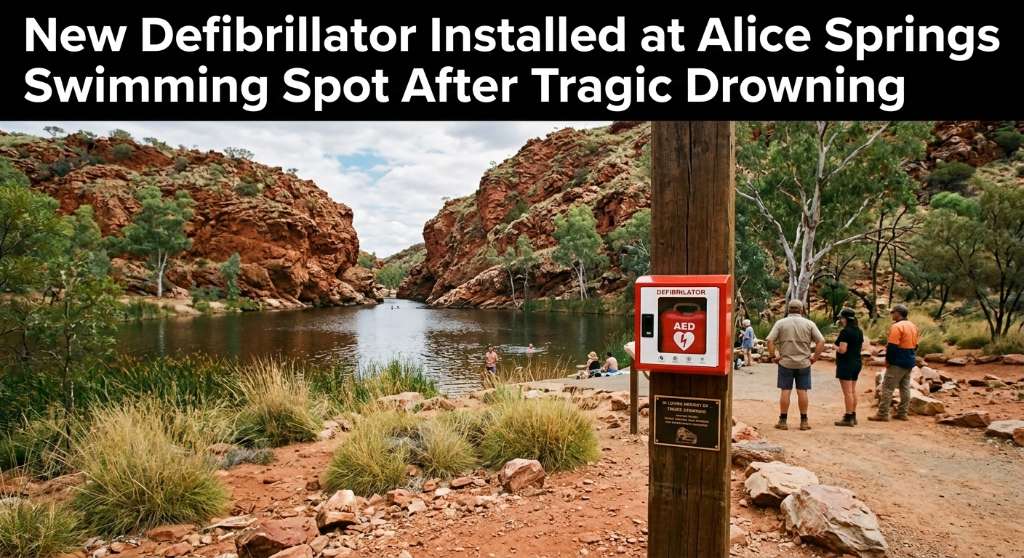
An automated external defibrillator and memorial plaque have been installed at Ellery Creek Big Hole following the death of disability advocate Ellen Fr...
Queensland firefighters spent several hours monitoring a significant grass fire at Mary Kinross Park in Bargara, near Bundaberg, after the blaze broke out on Wednesday evening....