Seven Hobart Bars to Close After Pub Banc Group Collapses Into Administration
By Neha Maurya · Published 06 Jul 2026 · Updated 06 Jul 2026
Hobart, TAS · Tasmania News
Safety note: Admin approval is an initial review, not a guarantee that every detail is correct. Check important or urgent claims with official sources and report anything inaccurate or unsafe.
Source and credit: Contributor's own report
Seven Hobart Bars to Close After Pub Banc Group Collapses Into Administration - Hobart, TAS
Smart summary
A major Tasmanian hospitality group has entered voluntary administration, forcing seven well-known Hobart venues—including Republic Bar, Cargo Bar, and Observatory Bar—to shut immediately as the company seeks urgent b...
A significant blow has hit Hobart’s hospitality and nightlife scene after the Pub Banc Group, which operates several prominent venues across the city, entered voluntary administration, resulting in the immediate closure of seven bars and restaurants.
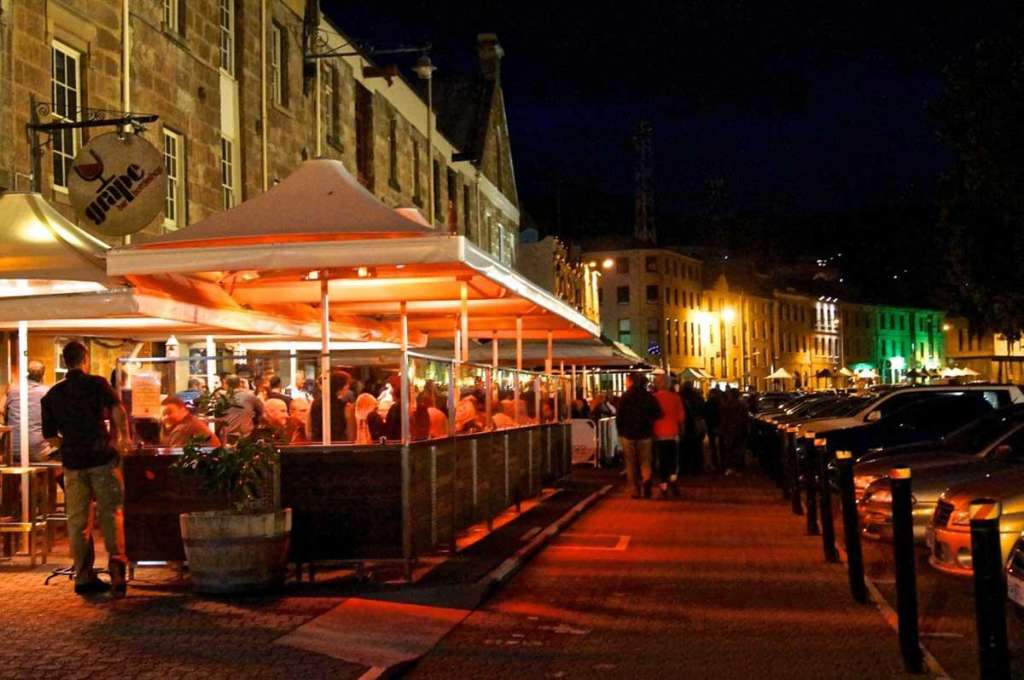
The venues affected include well-known Hobart nightlife spots such as Republic Bar in North Hobart, Cargo Bar, Jack Greene, Post Street Social, Observatory Bar (O-Bar), and Franklin Wharf Restaurant & Bar. These locations are among some of the city’s most recognisable social venues, spanning both Salamanca Place and the waterfront precinct.
According to administrators, the group has been placed into financial administration following prolonged trading pressures. The company cited a combination of rising operating costs, increased supply chain expenses, insurance pressures, and changing consumer behaviour as key factors contributing to the collapse.
The administration affects more than 80 staff, who have been stood down while the financial position of the business is assessed. Administrators from a restructuring firm have been appointed to oversee an urgent sale process, with the goal of finding new buyers and potentially reopening the venues under new ownership.
Despite the immediate closures, administrators have indicated that the businesses are considered valuable assets due to their strong brand recognition and prime locations. They expect significant interest from hospitality operators both within Tasmania and interstate.
The closure has had a noticeable impact on Hobart’s nightlife economy. Venues like Republic Bar and Observatory Bar are considered cultural fixtures, particularly among younger crowds and live music audiences. Their sudden shutdown has left a gap in the city’s entertainment landscape, especially in areas like North Hobart and Salamanca, which are central to Hobart’s night-time economy.
Industry representatives have warned that the closures may be part of a broader pattern of financial strain within Tasmania’s hospitality sector. Rising costs for utilities, rent, and staffing have placed increasing pressure on small and mid-sized operators, many of whom are still recovering from economic disruptions in recent years.
Local business groups have also highlighted concerns that if larger operators continue to struggle, smaller venues may face even greater pressure due to reduced foot traffic and consumer spending shifts.
While administrators remain hopeful that the venues will be sold and reopened, there is no confirmed timeline for when—or if—all locations will resume trading. In the meantime, affected staff face uncertainty, and regular patrons have expressed disappointment at the sudden loss of some of Hobart’s most popular social spaces.
The situation underscores the fragility of the hospitality industry in regional capitals like Hobart, where a small number of major operators often play a disproportionately large role in shaping the city’s nightlife and cultural identity.
HobartVenuesAdministrationAdministratorsCity
A significant blow has hit Hobart’s hospitality and nightlife scene after the Pub Banc Group, which operates several prominent venues across the city, entered voluntary administration, resulting in the immediate closure of seven bars and restaurants.
The venues affected include well-known Hobart nightlife spots such as Republic Bar in North Hobart, Cargo Bar, Jack Greene, Post Street Social, Observatory Bar (O-Bar), and Franklin Wharf Restaurant & Bar. These locations are among some of the city’s most recognisable social venues, spanning both Salamanca Place and the waterfront precinct.
According to administrators, the group has been placed into financial administration following prolonged trading pressures. The company cited a combination of rising operating costs, increased supply chain expenses, insurance pressures, and changing consumer behaviour as key factors contributing to the collapse.
The administration affects more than 80 staff, who have been stood down while the financial position of the business is assessed. Administrators from a restructuring firm have been appointed to oversee an urgent sale process, with the goal of finding new buyers and potentially reopening the venues under new ownership.
Despite the immediate closures, administrators have indicated that the businesses are considered valuable assets due to their strong brand recognition and prime locations. They expect significant interest from hospitality operators both within Tasmania and interstate.
The closure has had a noticeable impact on Hobart’s nightlife economy. Venues like Republic Bar and Observatory Bar are considered cultural fixtures, particularly among younger crowds and live music audiences. Their sudden shutdown has left a gap in the city’s entertainment landscape, especially in areas like North Hobart and Salamanca, which are central to Hobart’s night-time economy.
Industry representatives have warned that the closures may be part of a broader pattern of financial strain within Tasmania’s hospitality sector. Rising costs for utilities, rent, and staffing have placed increasing pressure on small and mid-sized operators, many of whom are still recovering from economic disruptions in recent years.
Local business groups have also highlighted concerns that if larger operators continue to struggle, smaller venues may face even greater pressure due to reduced foot traffic and consumer spending shifts.
While administrators remain hopeful that the venues will be sold and reopened, there is no confirmed timeline for when—or if—all locations will resume trading. In the meantime, affected staff face uncertainty, and regular patrons have expressed disappointment at the sudden loss of some of Hobart’s most popular social spaces.
The situation underscores the fragility of the hospitality industry in regional capitals like Hobart, where a small number of major operators often play a disproportionately large role in shaping the city’s nightlife and cultural identity.
Darwin's Frontier Bar and Grill manager Aston Bell has received two industry awards, recognising her leadership, customer service and contribution to th...
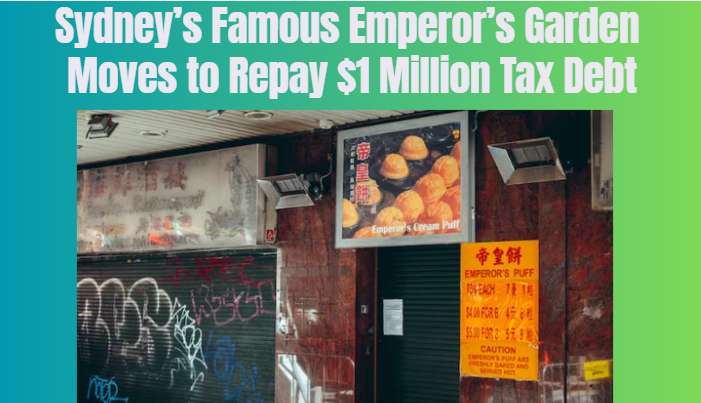
Sydney Chinatown institution Emperor’s Garden has reached an agreement to repay more than $1 million in tax debt, with discussions now underway about re...
A major developer has ended its involvement in the Eyre residential development in Adelaide's north, leaving South Australia's Renewal SA to take respon...
Tasmanian homeowners and businesses are facing higher borrowing costs after the Reserve Bank lifted the cash rate to 4.6 per cent, with lower average wa...
Chinese-owned Yongji Health has taken almost complete control of Tasmanian Botanics, one of Australia's largest medicinal cannabis producers, following...
Prime Minister Anthony Albanese says an agreement to secure the future of Tasmania's Bell Bay aluminium smelter is close, as the federal and state gover...
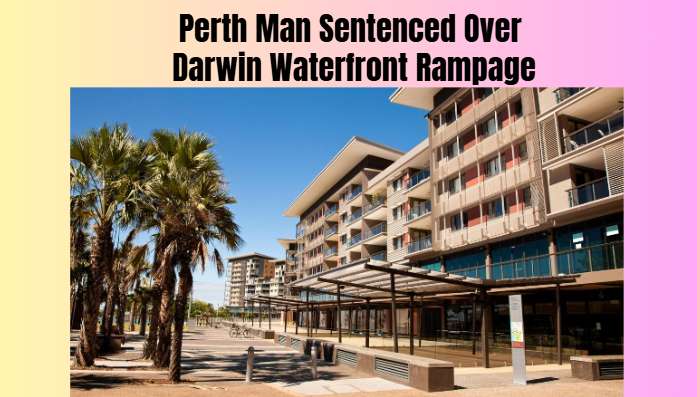
A 36-year-old man extradited from Perth has received a suspended prison sentence after being convicted over a violent incident involving four people at...
Darwin's Frontier Bar and Grill manager Aston Bell has received two industry awards, recognising her leadership, customer service and contribution to th...
A teenager from Devonport has died and four other people were injured after a serious crash involving a ute on Mersey Main Road near Latrobe, Tasmania.