Sunshine Coast Drug Supplier Avoids Jail After Court Accepts Personal Use Claims
By Neha · Published 25 Jun 2026 · Updated 25 Jun 2026
Sunshine Coast, Queensland · Queensland News
Safety note: Admin approval is an initial review, not a guarantee that every detail is correct. Check important or urgent claims with official sources and report anything inaccurate or unsafe.
Source and credit: Contributor's own report
Sunshine Coast Drug Supplier Avoids Jail After Court Accepts Personal Use Claims - Sunshine Coast, Queensland
Smart summary
A Sunshine Coast man found with drug production equipment and significant quantities of illicit substances has avoided immediate imprisonment after a court considered his personal circumstances and addiction issues.
A Sunshine Coast man who admitted supplying drugs and operating a small-scale drug production setup has avoided a jail sentence after a Queensland court accepted that much of the illicit substance involved was intended for personal consumption rather than commercial distribution.
The case was heard in the District Court, where the offender faced charges relating to drug supply, possession of dangerous drugs and operating equipment used in the production of illegal substances. Authorities discovered the drugs and manufacturing equipment during a police investigation that led officers to the man's residence on the Sunshine Coast.
Prosecutors told the court that police located a quantity of dangerous drugs along with equipment capable of being used to process and produce illicit substances. The discovery prompted concerns that the accused was involved in more than simple personal drug use. Investigators alleged the materials indicated a level of drug activity extending beyond possession alone.
However, defence lawyers argued that the offender had struggled with long-term substance abuse issues and that much of the material seized by police was connected to his own addiction. The court heard evidence that the man had become heavily dependent on drugs and had been using substantial quantities over an extended period.
During sentencing submissions, the defence maintained that while some supply had occurred, the offender was not operating a sophisticated commercial drug enterprise. Instead, lawyers described the activity as closely linked to maintaining his addiction. The court was told the accused had taken steps toward rehabilitation and had demonstrated efforts to address his substance abuse problems since being charged.
The judge considered a range of factors, including the offender's criminal history, personal circumstances and prospects for rehabilitation. Evidence presented to the court suggested the man had engaged with treatment programs and was attempting to rebuild his life following the offences.
While acknowledging the seriousness of drug-related offending, the court accepted that imprisonment was not the only appropriate sentencing option in the circumstances. The judge noted that rehabilitation remains an important consideration, particularly where offenders demonstrate genuine efforts to overcome addiction and reduce the risk of future offending.
The sentence reflected the court's assessment that the offender's conduct, while serious, did not reach the level commonly associated with large-scale commercial drug trafficking operations. The court also took into account the impact that a term of immediate imprisonment could have on rehabilitation efforts already underway.
Queensland courts regularly deal with cases involving the balance between punishment and rehabilitation in drug matters. Judges must consider community safety, deterrence and accountability while also assessing whether treatment and supervision may be more effective than incarceration in reducing future offending.
The decision has attracted attention because of the presence of drug production equipment, which is often associated with more serious criminal activity. However, the court emphasised that sentencing outcomes depend on the specific facts of each case, including the scale of offending, the offender's intent and their personal circumstances.
Drug-related offences remain a major focus for Queensland law enforcement agencies, which continue to target the manufacture, supply and distribution of dangerous drugs across the state. Authorities maintain that drug production poses significant risks to communities, including health dangers, organised crime involvement and broader social harm.
The case highlights the complexity of sentencing drug offenders, particularly where addiction plays a significant role in the offending behaviour. While the offender avoided immediate jail, the court warned that any future offending could result in much harsher penalties.
CourtDrugOffenderDrugsOffending
A Sunshine Coast man who admitted supplying drugs and operating a small-scale drug production setup has avoided a jail sentence after a Queensland court accepted that much of the illicit substance involved was intended for personal consumption rather than commercial distribution.
The case was heard in the District Court, where the offender faced charges relating to drug supply, possession of dangerous drugs and operating equipment used in the production of illegal substances. Authorities discovered the drugs and manufacturing equipment during a police investigation that led officers to the man's residence on the Sunshine Coast.
Prosecutors told the court that police located a quantity of dangerous drugs along with equipment capable of being used to process and produce illicit substances. The discovery prompted concerns that the accused was involved in more than simple personal drug use. Investigators alleged the materials indicated a level of drug activity extending beyond possession alone.
However, defence lawyers argued that the offender had struggled with long-term substance abuse issues and that much of the material seized by police was connected to his own addiction. The court heard evidence that the man had become heavily dependent on drugs and had been using substantial quantities over an extended period.
During sentencing submissions, the defence maintained that while some supply had occurred, the offender was not operating a sophisticated commercial drug enterprise. Instead, lawyers described the activity as closely linked to maintaining his addiction. The court was told the accused had taken steps toward rehabilitation and had demonstrated efforts to address his substance abuse problems since being charged.
The judge considered a range of factors, including the offender's criminal history, personal circumstances and prospects for rehabilitation. Evidence presented to the court suggested the man had engaged with treatment programs and was attempting to rebuild his life following the offences.
While acknowledging the seriousness of drug-related offending, the court accepted that imprisonment was not the only appropriate sentencing option in the circumstances. The judge noted that rehabilitation remains an important consideration, particularly where offenders demonstrate genuine efforts to overcome addiction and reduce the risk of future offending.
The sentence reflected the court's assessment that the offender's conduct, while serious, did not reach the level commonly associated with large-scale commercial drug trafficking operations. The court also took into account the impact that a term of immediate imprisonment could have on rehabilitation efforts already underway.
Queensland courts regularly deal with cases involving the balance between punishment and rehabilitation in drug matters. Judges must consider community safety, deterrence and accountability while also assessing whether treatment and supervision may be more effective than incarceration in reducing future offending.
The decision has attracted attention because of the presence of drug production equipment, which is often associated with more serious criminal activity. However, the court emphasised that sentencing outcomes depend on the specific facts of each case, including the scale of offending, the offender's intent and their personal circumstances.
Drug-related offences remain a major focus for Queensland law enforcement agencies, which continue to target the manufacture, supply and distribution of dangerous drugs across the state. Authorities maintain that drug production poses significant risks to communities, including health dangers, organised crime involvement and broader social harm.
The case highlights the complexity of sentencing drug offenders, particularly where addiction plays a significant role in the offending behaviour. While the offender avoided immediate jail, the court warned that any future offending could result in much harsher penalties.
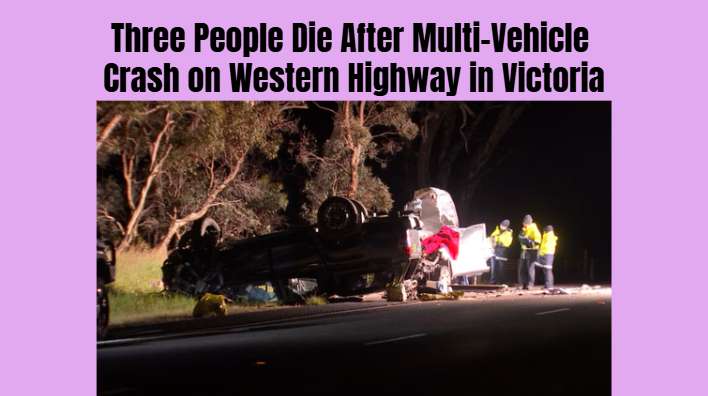
Three people, including a 14-year-old girl, have died following a multi-vehicle collision on the Western Highway near Ledcourt in Victoria's north-west.
A 50-year-old man has died after being struck by a vehicle in Fernvale, west of Brisbane, with police launching a homicide investigation and arresting a...
Police have arrested three teenagers after a man was allegedly stabbed while confronting a group of boys attempting to break into a car in Melbourne’s s...
Recent domestic violence-related deaths in New South Wales have highlighted concerns about gaps in identifying alleged perpetrators before serious viole...
A 50-year-old man has died after being struck by a vehicle in Fernvale, west of Brisbane, with police launching a homicide investigation and arresting a...
Amateur astronomers are using new telescope technology to photograph the Moon, planets and distant galaxies from Brisbane homes, showing that city skies...
Severe weather in Melbourne has caused flight disruptions from Brisbane, with at least one flight cancelled and other services delayed as passengers tra...
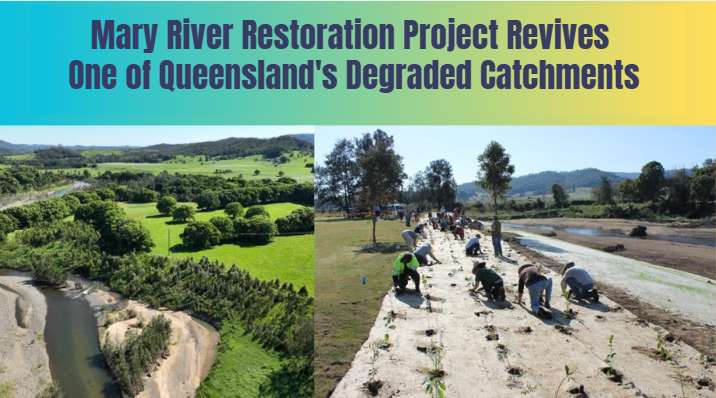
A long-running community restoration effort along Queensland's Mary River is reducing erosion, improving water quality and helping restore habitat for n...
A Sydney patient says he spent 23 hours waiting on a chair at Westmead Hospital's emergency department, while new figures show continuing pressure on th...
Three people, including a 14-year-old girl, have died following a multi-vehicle collision on the Western Highway near Ledcourt in Victoria's north-west.
A 50-year-old man has died after being struck by a vehicle in Fernvale, west of Brisbane, with police launching a homicide investigation and arresting a...
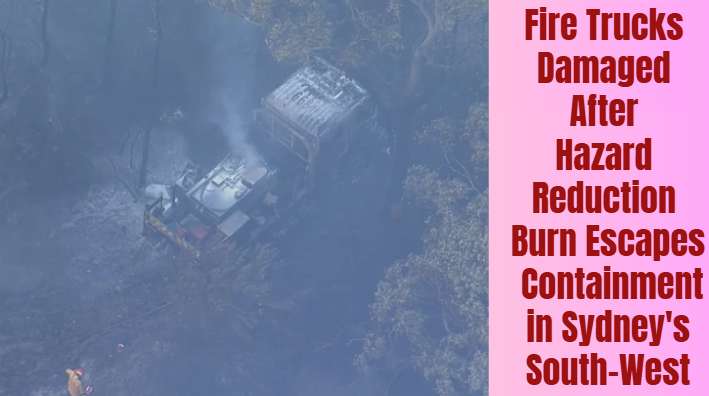
Multiple Rural Fire Service trucks were damaged after a planned hazard reduction burn at Wedderburn in Sydney's south-west escaped containment on Saturday.