Safety note: Admin approval is an initial review, not a guarantee that every detail is correct. Check important or urgent claims with official sources and report anything inaccurate or unsafe.
Australian authorities are investigating a suspected case of bird flu after a possible avian influenza infection was detected, prompting a swift public health and biosecurity response. Officials have moved quickly to...
Australian authorities are investigating a suspected case of bird flu after a possible avian influenza infection was detected, prompting a swift public health and biosecurity response. Officials have moved quickly to assess the situation and determine whether the case poses any broader risks to the community, poultry industry or wildlife.
Bird flu, also known as avian influenza, is a viral disease that primarily affects birds but can occasionally infect mammals and, in rare cases, humans. Health and agricultural authorities have established protocols to rapidly identify and contain potential cases because outbreaks can have significant consequences for animal health, food production and international trade.
Following the detection of the suspected case, authorities commenced investigations to determine the source of the infection and whether there is any evidence of further spread. Biosecurity teams have been conducting assessments and implementing precautionary measures while laboratory testing and epidemiological inquiries continue.
Government agencies have emphasised that the detection of a suspected case does not automatically indicate a widespread outbreak. Officials are working closely with health experts, veterinary specialists and industry representatives to gather information and ensure appropriate safeguards are in place.
Australia maintains some of the world's strictest biosecurity standards and regularly monitors for emerging animal diseases. Surveillance programs involve cooperation between federal, state and territory governments, agricultural industries and scientific experts to identify potential threats as early as possible.
Avian influenza outbreaks can have substantial impacts on poultry production and supply chains if infections spread among commercial flocks. Previous outbreaks internationally have led to the culling of large numbers of birds and caused disruptions to egg and poultry supplies. For this reason, authorities take even suspected cases seriously and often introduce temporary control measures while investigations are underway.
Health authorities have also sought to reassure the public by noting that the risk of bird flu transmission to humans remains low in most circumstances. Human infections are generally uncommon and usually involve close contact with infected birds or contaminated environments. Officials continue to advise people to avoid handling sick or dead birds and to report unusual bird deaths to the appropriate authorities.
The detection has renewed attention on the importance of disease preparedness and Australia's capacity to respond rapidly to emerging biosecurity challenges. Experts say early reporting, strong surveillance systems and coordinated responses are critical in reducing the impacts of potential outbreaks.
Agricultural industries and wildlife organisations are also closely monitoring developments. Australia's poultry sector forms an important part of the national food supply and economy, and maintaining animal health protections remains a key priority for governments and industry groups.
Authorities are expected to provide further updates once additional laboratory results and investigations are completed. In the meantime, biosecurity and health agencies continue to assess the situation and prepare contingency measures should further action become necessary.
The suspected bird flu case serves as a reminder of the ongoing need for vigilance against emerging diseases affecting both animals and humans. Officials have encouraged the public to remain informed through official updates and to follow any advice issued by health and agricultural authorities as investigations progress.
AuthoritiesHealthBirdCaseSuspected
Australian authorities are investigating a suspected case of bird flu after a possible avian influenza infection was detected, prompting a swift public health and biosecurity response. Officials have moved quickly to assess the situation and determine whether the case poses any broader risks to the community, poultry industry or wildlife.
Bird flu, also known as avian influenza, is a viral disease that primarily affects birds but can occasionally infect mammals and, in rare cases, humans. Health and agricultural authorities have established protocols to rapidly identify and contain potential cases because outbreaks can have significant consequences for animal health, food production and international trade.
Following the detection of the suspected case, authorities commenced investigations to determine the source of the infection and whether there is any evidence of further spread. Biosecurity teams have been conducting assessments and implementing precautionary measures while laboratory testing and epidemiological inquiries continue.
Government agencies have emphasised that the detection of a suspected case does not automatically indicate a widespread outbreak. Officials are working closely with health experts, veterinary specialists and industry representatives to gather information and ensure appropriate safeguards are in place.
Australia maintains some of the world's strictest biosecurity standards and regularly monitors for emerging animal diseases. Surveillance programs involve cooperation between federal, state and territory governments, agricultural industries and scientific experts to identify potential threats as early as possible.
Avian influenza outbreaks can have substantial impacts on poultry production and supply chains if infections spread among commercial flocks. Previous outbreaks internationally have led to the culling of large numbers of birds and caused disruptions to egg and poultry supplies. For this reason, authorities take even suspected cases seriously and often introduce temporary control measures while investigations are underway.
Health authorities have also sought to reassure the public by noting that the risk of bird flu transmission to humans remains low in most circumstances. Human infections are generally uncommon and usually involve close contact with infected birds or contaminated environments. Officials continue to advise people to avoid handling sick or dead birds and to report unusual bird deaths to the appropriate authorities.
The detection has renewed attention on the importance of disease preparedness and Australia's capacity to respond rapidly to emerging biosecurity challenges. Experts say early reporting, strong surveillance systems and coordinated responses are critical in reducing the impacts of potential outbreaks.
Agricultural industries and wildlife organisations are also closely monitoring developments. Australia's poultry sector forms an important part of the national food supply and economy, and maintaining animal health protections remains a key priority for governments and industry groups.
Authorities are expected to provide further updates once additional laboratory results and investigations are completed. In the meantime, biosecurity and health agencies continue to assess the situation and prepare contingency measures should further action become necessary.
The suspected bird flu case serves as a reminder of the ongoing need for vigilance against emerging diseases affecting both animals and humans. Officials have encouraged the public to remain informed through official updates and to follow any advice issued by health and agricultural authorities as investigations progress.
New funding from local charity Wishlist is improving communication support for patients at Bundaberg Hospital, with resources designed to help people communicate more effectivel...
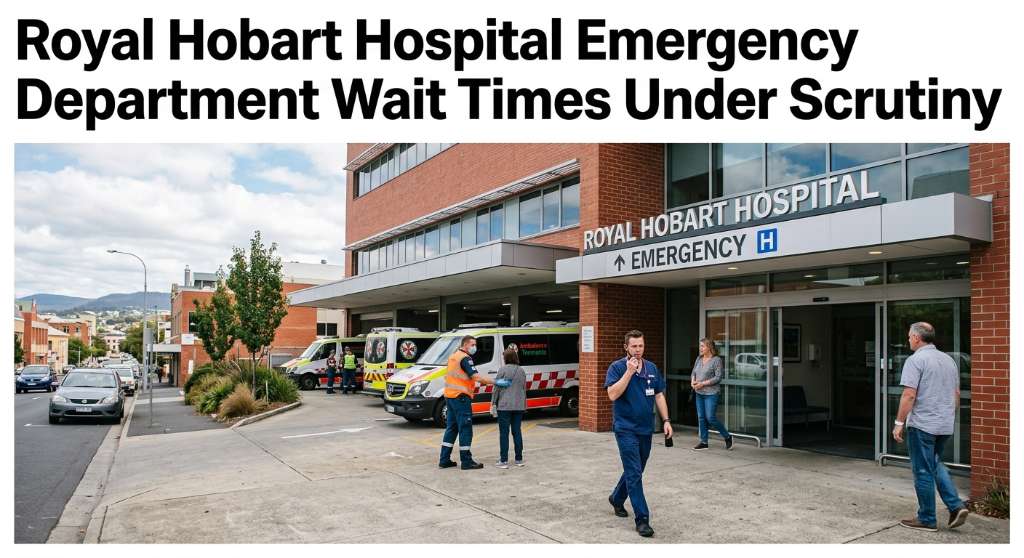
New figures have renewed concerns about emergency department delays at Royal Hobart Hospital, with the health system facing questions over patient waiti...
Central Coast New South Wales · Health News · 10 Sep 2026
The design for new Key Health Worker Accommodation at Wyong has been released today, with the project aimed at helping address the need for suitable accommodation for healthcare...
A Melbourne doctor facing serious criminal charges has had his court case adjourned while investigators continue examining a large amount of digital material seized during a pol...
Victoria Police have arrested two men and a woman as part of an ongoing investigation into the fatal shooting of a 22-year-old man in Thomastown, in Melbourne’s north. The incid...
Victoria Police have charged a 17-year-old boy with arson and endangering life following an investigation into an alleged firebombing at a gym in Maidstone, Melbourne. The inves...
Police say Port Phillip Crime Investigation Unit detectives arrested a man on Monday following a prolonged investigation into a series of alleged violent assaults and thefts acr...
A 21-year-old Bendigo man, Adrian Turnbull, has been sentenced to a maximum of four years and eight months in prison after pleading guilty to a series of offences committed acro...
A new specialist family-violence support model has been introduced in Ballarat, with dedicated workers now embedded alongside Victoria Police to help people experiencing family...
A Coroners Court hearing is being held in Victoria today to examine the circumstances surrounding the death of a 56-year-old man from Bendigo. The case is one of the local matte...
Bendigo is marking a major milestone this year as the city celebrates 175 years since the discovery of gold in the region. On Tuesday, September 15, 2026, residents and visitors...
Cairns Regional Council has unanimously voted to seek $400,000 in Queensland Government funding for a program designed to connect local businesses with the region’s growing film...
An automated external defibrillator and memorial plaque have been installed at Ellery Creek Big Hole following the death of disability advocate Ellen Fr...
Queensland firefighters spent several hours monitoring a significant grass fire at Mary Kinross Park in Bargara, near Bundaberg, after the blaze broke out on Wednesday evening....