Safety note: Admin approval is an initial review, not a guarantee that every detail is correct. Check important or urgent claims with official sources and report anything inaccurate or unsafe.
Source and credit: Contributor's own report
Drones and Artificial Intelligence Help Bring Endangered Birds Back from the Brink
Smart summary
Conservationists across Australia are increasingly turning to drones and artificial intelligence (AI) to help protect endangered bird species and improve wildlife recovery efforts. The emerging technologies are provid...
Conservationists across Australia are increasingly turning to drones and artificial intelligence (AI) to help protect endangered bird species and improve wildlife recovery efforts. The emerging technologies are providing researchers with powerful new tools to monitor bird populations, identify threats and make better-informed conservation decisions.
Traditional wildlife monitoring m-ethods often require scientists to spend long periods in remote locations conducting surveys by foot or from aircraft. These approaches can be expensive, time-consuming and, in some cases, difficult to carry out in sensitive habitats. The use of drones and AI is helping overcome many of these challenges by enabling researchers to collect information more efficiently and with less disturbance to wildlife.
Drones equipped with high-resolution cameras can capture images and video footage across large areas of habitat. The data gathered can then be analysed using artificial intelligence systems capable of recognising birds, counting individuals and identifying behavioural patterns that might otherwise be difficult for humans to detect. Researchers say these technologies can process information far more quickly than traditional m-ethods and provide more detailed insights into the condition of bird populations.
Artificial intelligence systems are also assisting scientists in detecting changes in ecosystems and identifying environmental pressures affecting threatened species. By analysing thousands of images and large datasets, AI can help pinpoint areas where bird numbers are declining and where conservation measures may be having positive effects. Experts believe these capabilities will become increasingly important as climate change, habitat loss and invasive species continue to place pressure on native wildlife.
Australia is home to many unique bird species, several of which are considered vulnerable or endangered. Conservation groups have warned that some species face increasing risks due to environmental changes and disease threats. Advanced technologies are now allowing researchers to respond more quickly and target conservation resources where they are needed most.
Scientists say technology is not intended to replace traditional conservation work but rather to complement existing m-ethods. Field observations, habitat restoration projects and community involvement remain essential components of wildlife protection programs. However, the addition of drone and AI capabilities is significantly expanding what researchers can achieve and improving the quality of information available to decision-makers.
The growing use of these technologies reflects a broader trend in environmental science, where digital tools are increasingly being applied to conservation challenges. Researchers believe the ability to rapidly analyse large volumes of environmental data will play an important role in preventing further declines in biodiversity and improving the long-term survival prospects of endangered species.
Conservationists remain optimistic that combining scientific expertise with technological innovation can help safeguard Australia's unique birdlife for future generations. By improving monitoring capabilities and supporting more targeted conservation actions, drones and artificial intelligence are becoming valuable allies in efforts to bring threatened bird species back from the brink of extinction.
ConservationSpeciesBirdResearchersArtificial
Conservationists across Australia are increasingly turning to drones and artificial intelligence (AI) to help protect endangered bird species and improve wildlife recovery efforts. The emerging technologies are providing researchers with powerful new tools to monitor bird populations, identify threats and make better-informed conservation decisions.
Traditional wildlife monitoring m-ethods often require scientists to spend long periods in remote locations conducting surveys by foot or from aircraft. These approaches can be expensive, time-consuming and, in some cases, difficult to carry out in sensitive habitats. The use of drones and AI is helping overcome many of these challenges by enabling researchers to collect information more efficiently and with less disturbance to wildlife.
Drones equipped with high-resolution cameras can capture images and video footage across large areas of habitat. The data gathered can then be analysed using artificial intelligence systems capable of recognising birds, counting individuals and identifying behavioural patterns that might otherwise be difficult for humans to detect. Researchers say these technologies can process information far more quickly than traditional m-ethods and provide more detailed insights into the condition of bird populations.
Artificial intelligence systems are also assisting scientists in detecting changes in ecosystems and identifying environmental pressures affecting threatened species. By analysing thousands of images and large datasets, AI can help pinpoint areas where bird numbers are declining and where conservation measures may be having positive effects. Experts believe these capabilities will become increasingly important as climate change, habitat loss and invasive species continue to place pressure on native wildlife.
Australia is home to many unique bird species, several of which are considered vulnerable or endangered. Conservation groups have warned that some species face increasing risks due to environmental changes and disease threats. Advanced technologies are now allowing researchers to respond more quickly and target conservation resources where they are needed most.
Scientists say technology is not intended to replace traditional conservation work but rather to complement existing m-ethods. Field observations, habitat restoration projects and community involvement remain essential components of wildlife protection programs. However, the addition of drone and AI capabilities is significantly expanding what researchers can achieve and improving the quality of information available to decision-makers.
The growing use of these technologies reflects a broader trend in environmental science, where digital tools are increasingly being applied to conservation challenges. Researchers believe the ability to rapidly analyse large volumes of environmental data will play an important role in preventing further declines in biodiversity and improving the long-term survival prospects of endangered species.
Conservationists remain optimistic that combining scientific expertise with technological innovation can help safeguard Australia's unique birdlife for future generations. By improving monitoring capabilities and supporting more targeted conservation actions, drones and artificial intelligence are becoming valuable allies in efforts to bring threatened bird species back from the brink of extinction.
New evidence indicates autonomous Open AI agents attempted to access information from several Australian government and public-sector websites, expanding...
A new Cooperative Research Centre based at the University of Queensland's Brisbane city campus will bring researchers, industry and government together...
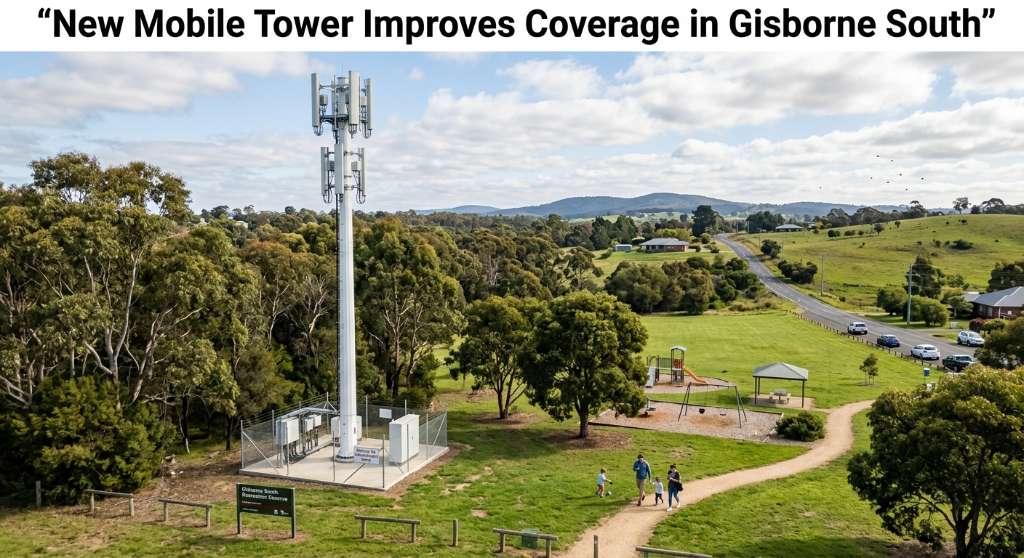
Residents in Gisborne South can now access improved mobile phone coverage after a new Telstra tower was installed at I R Robertson Reserve following yea...
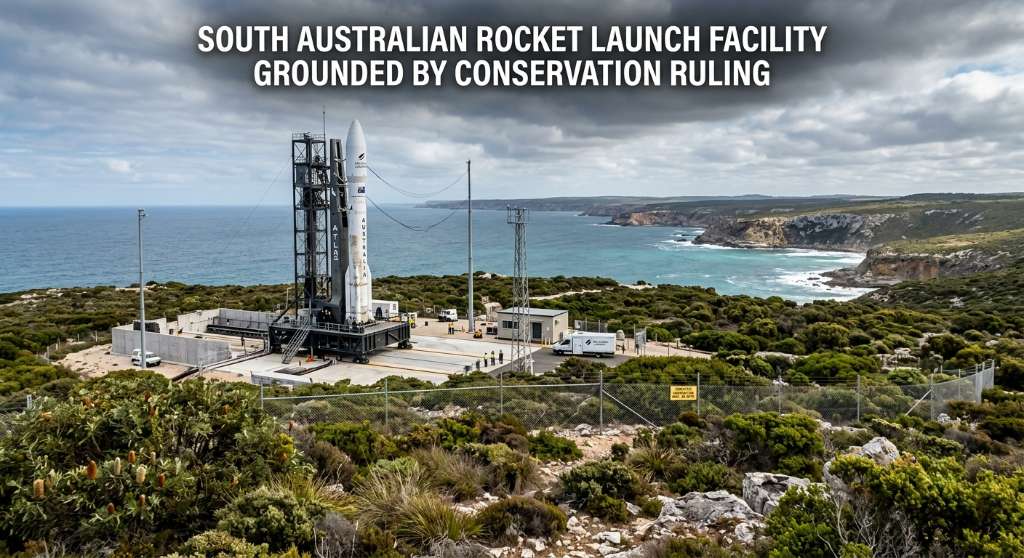
A proposed rocket launch facility near Port Lincoln has been put on hold after South Australia's Native Vegetation Council rejected an application to al...
A woman has died following a serious three-vehicle collision involving a commercial bus and two cars in Glenburn, in Victoria’s Yarra Ranges, on Thursday, 24 September 2026. Eme...
A woman has died following a serious three-car collision in Leongatha, Victoria, on Wednesday afternoon, 23 September 2026. Emergency services were called to the Strzelecki High...
A 43-year-old man has been charged following a fire at a funeral home in Warragul, Victoria, on Wednesday evening, 23 September 2026. Police allege the man walked along Howitt S...
A Melbourne doctor facing serious criminal charges has had his court case adjourned while investigators continue examining a large amount of digital material seized during a pol...
A woman has died following a serious three-vehicle collision involving a commercial bus and two cars in Glenburn, in Victoria’s Yarra Ranges, on Thursday, 24 September 2026. Eme...
A woman has died following a serious three-car collision in Leongatha, Victoria, on Wednesday afternoon, 23 September 2026. Emergency services were called to the Strzelecki High...
A 43-year-old man has been charged following a fire at a funeral home in Warragul, Victoria, on Wednesday evening, 23 September 2026. Police allege the man walked along Howitt S...
Bendigo is preparing for a major night of greyhound racing, with the Sportsbet Bendigo Cup heats set to take centre stage at Bendigo on Friday evening. Greyhound Racing Victoria...
A 50-year-old man has died after being struck by a vehicle in Fernvale, west of Brisbane, with police launching a homicide investigation and arresting a...
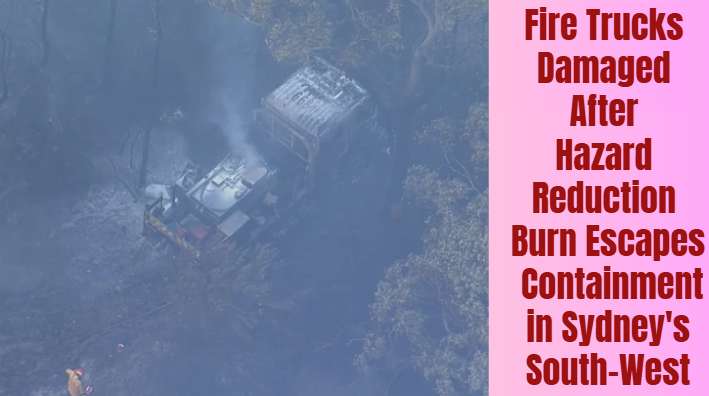
Multiple Rural Fire Service trucks were damaged after a planned hazard reduction burn at Wedderburn in Sydney's south-west escaped containment on Saturday.
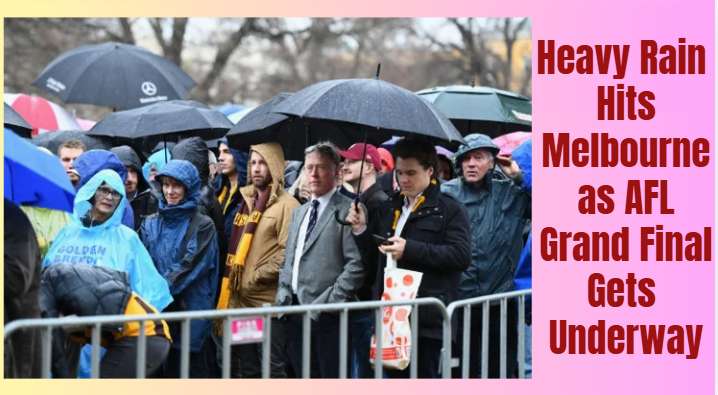
Wet conditions at the Melbourne Cricket Ground are creating difficult conditions for the AFL Grand Final, while poor weather has also disrupted flights...
Amateur astronomers are using new telescope technology to photograph the Moon, planets and distant galaxies from Brisbane homes, showing that city skies...