Sydney Aquatic Centre to be Renamed in Honour of Professor Richard Scolyer
By Neha · Published 17 Jun 2026 · Updated 17 Jun 2026
Sydney, NSW · New South Wales News
Safety note: Admin approval is an initial review, not a guarantee that every detail is correct. Check important or urgent claims with official sources and report anything inaccurate or unsafe.
Source and credit: Contributor's own report
The Sydney Aquatic Centre facility.
Smart summary
A prominent Sydney community venue is set to be renamed to commemorate the significant contributions of the late cancer researcher and former Australian of the Year, Professor Richard Scolyer.
A prominent public swimming facility in Sydney's inner west is set to be renamed in honour of the late Professor Richard Scolyer, recognising the extraordinary contributions he made to cancer research, medical science and the Australian community. The decision comes just days after the renowned pathologist's death at the age of 59 following a courageous battle with brain cancer.
The Leichhardt Park Aquatic Centre will be renamed the Richard Scolyer Aquatic Centre after councillors in Sydney's Inner West voted to support the proposal. The move aims to ensure the legacy of one of Australia's most respected medical researchers remains permanently connected to the community in which he lived and worked.
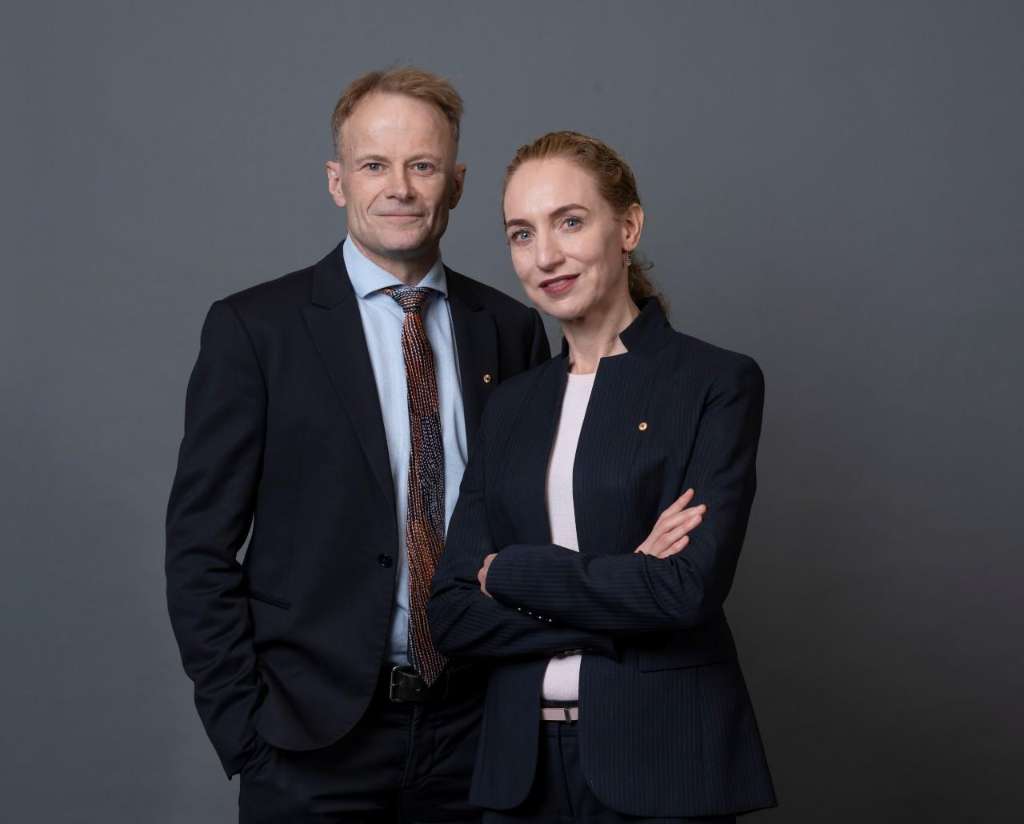
Professor Scolyer was internationally recognised for his groundbreaking work in melanoma research. Alongside his long-time colleague, Georgina Long, he helped revolutionise the use of immunotherapy treatments for advanced melanoma, contributing to dramatic improvements in survival rates for patients around the world. Their achievements earned the pair the title of Australian of the Year in 2024.
In 2023, Professor Scolyer was diagnosed with glioblastoma, an aggressive and often fatal form of brain cancer. Rather than accepting conventional treatment alone, he became the first patient to undergo an experimental immunotherapy approach based on melanoma research principles he had helped develop. His willingness to participate in the world-first treatment provided valuable scientific data that researchers hope will improve outcomes for future brain cancer patients.
Despite being given a prognosis of only a few months, Professor Scolyer survived for almost two years after his diagnosis, using that time to advocate for cancer research, support patients and raise awareness about brain cancer. His journey inspired Australians and people around the world who followed his battle with the disease.
Following his death on 7 June 2026, tributes flowed from across the medical community, government leaders, former patients and members of the public. In a final open letter released after his passing, Professor Scolyer thanked Australians for their support and encouraged future generations of researchers to continue pushing scientific boundaries in pursuit of better treatments and cures.
Supporters of the renaming proposal said the aquatic centre would serve as a lasting reminder of a man whose work transformed cancer treatment globally while remaining deeply connected to his local community. The venue's new name is expected to become a permanent tribute to a scientist whose influence extended far beyond Australia.
For many Australians, Professor Scolyer's legacy will not only be measured by the thousands of lives improved through his research, but also by the courage and optimism he displayed throughout his own cancer journey. The renaming of the aquatic centre ensures that legacy will continue to inspire future generations.
CancerScolyerProfessorAquaticCentre
A prominent public swimming facility in Sydney's inner west is set to be renamed in honour of the late Professor Richard Scolyer, recognising the extraordinary contributions he made to cancer research, medical science and the Australian community. The decision comes just days after the renowned pathologist's death at the age of 59 following a courageous battle with brain cancer.
The Leichhardt Park Aquatic Centre will be renamed the Richard Scolyer Aquatic Centre after councillors in Sydney's Inner West voted to support the proposal. The move aims to ensure the legacy of one of Australia's most respected medical researchers remains permanently connected to the community in which he lived and worked.
Professor Scolyer was internationally recognised for his groundbreaking work in melanoma research. Alongside his long-time colleague, Georgina Long, he helped revolutionise the use of immunotherapy treatments for advanced melanoma, contributing to dramatic improvements in survival rates for patients around the world. Their achievements earned the pair the title of Australian of the Year in 2024.
In 2023, Professor Scolyer was diagnosed with glioblastoma, an aggressive and often fatal form of brain cancer. Rather than accepting conventional treatment alone, he became the first patient to undergo an experimental immunotherapy approach based on melanoma research principles he had helped develop. His willingness to participate in the world-first treatment provided valuable scientific data that researchers hope will improve outcomes for future brain cancer patients.
Despite being given a prognosis of only a few months, Professor Scolyer survived for almost two years after his diagnosis, using that time to advocate for cancer research, support patients and raise awareness about brain cancer. His journey inspired Australians and people around the world who followed his battle with the disease.
Following his death on 7 June 2026, tributes flowed from across the medical community, government leaders, former patients and members of the public. In a final open letter released after his passing, Professor Scolyer thanked Australians for their support and encouraged future generations of researchers to continue pushing scientific boundaries in pursuit of better treatments and cures.
Supporters of the renaming proposal said the aquatic centre would serve as a lasting reminder of a man whose work transformed cancer treatment globally while remaining deeply connected to his local community. The venue's new name is expected to become a permanent tribute to a scientist whose influence extended far beyond Australia.
For many Australians, Professor Scolyer's legacy will not only be measured by the thousands of lives improved through his research, but also by the courage and optimism he displayed throughout his own cancer journey. The renaming of the aquatic centre ensures that legacy will continue to inspire future generations.
An automated external defibrillator and memorial plaque have been installed at Ellery Creek Big Hole following the death of disability advocate Ellen Fr...
Bathurst New South Wales · Community News · 17 Sep 2026
Kerry “Pecky” Peck, a long-standing Bathurst radio personality, has been inducted into the Bathurst Business Hall of Fame in recognition of his extensive contribution to the loc...
A new specialist family-violence support model has been introduced in Ballarat, with dedicated workers now embedded alongside Victoria Police to help people experiencing family...
Orange New South Wales · Community News · 17 Sep 2026
Orange City Council has elected a new Deputy Mayor for the next two years, with the decision announced today, 17 September 2026. The council said the election took place during...
A 22-year-old man has been charged after a police pursuit involving an allegedly stolen Toyota utility near Moree in northern New South Wales. NSW Police published the update on...
Sydney New South Wales · General News · 15 Sep 2026
A tragic incident in Auburn, in Sydney’s west, has resulted in the death of a three-year-old girl after she was struck by a car in a residential driveway on Tuesday, September 1...
A 16-year-old boy is due to appear before a children’s court after being charged following an alleged brawl at a train station in Penrith, in Sydney’s west. The incident occurre...
A man in his 40s has been shot dead at the doorway of a home in Merrylands West, western Sydney, prompting a major police investigation. The shooting occurred on Wednesday after...
A 36-year-old man has been charged after investigators allegedly found fraudulent identification documents, cloned number plates, cash and drug-manufact...
A Sydney court has heard that a man sent 249 messages to a former partner within 24 hours, with the messages treated as a single alleged breach of an ap...
A high-profile athlete has returned to court and told the hearing that an alleged unwanted kiss by former broadcaster Alan Jones remained difficult to f...
Work on the $150 million Sydney Town Hall Square project has been paused after the NSW Planning Minister referred the development for review by the Inde...
Cairns Regional Council has unanimously voted to seek $400,000 in Queensland Government funding for a program designed to connect local businesses with the region’s growing film...
An automated external defibrillator and memorial plaque have been installed at Ellery Creek Big Hole following the death of disability advocate Ellen Fr...
Queensland firefighters spent several hours monitoring a significant grass fire at Mary Kinross Park in Bargara, near Bundaberg, after the blaze broke out on Wednesday evening....