Safety note: Admin approval is an initial review, not a guarantee that every detail is correct. Check important or urgent claims with official sources and report anything inaccurate or unsafe.
Source and credit: Contributor's own report
Thousands of Australians Impacted as First Guardian and Shield Super Funds Collapse - Brisbane, QLD
Smart summary
Retirees and investors, including Debbie Simpson, are seeking answers after the collapse of the First Guardian Master Fund and Shield Master Fund left thousands of Australians facing uncertainty over their retirement...
Thousands of Australians are dealing with financial uncertainty following the collapse of two investment funds, First Guardian Master Fund and Shield Master Fund, which affected retirement savings and superannuation investments.
Among those affected is Debbie Simpson, who has spoken about the impact of the collapse and the uncertainty faced by investors waiting for answers about their money. The failures have triggered investigations by regulators, legal action and calls for stronger protections across Australia’s superannuation industry.
The Shield Master Fund collapse involved thousands of investors whose retirement savings were placed into the investment scheme. The fund was managed by Keystone Asset Management, which later entered liquidation. Regulatory investigations have focused on the management of investor funds and the actions of companies and individuals connected to the scheme.
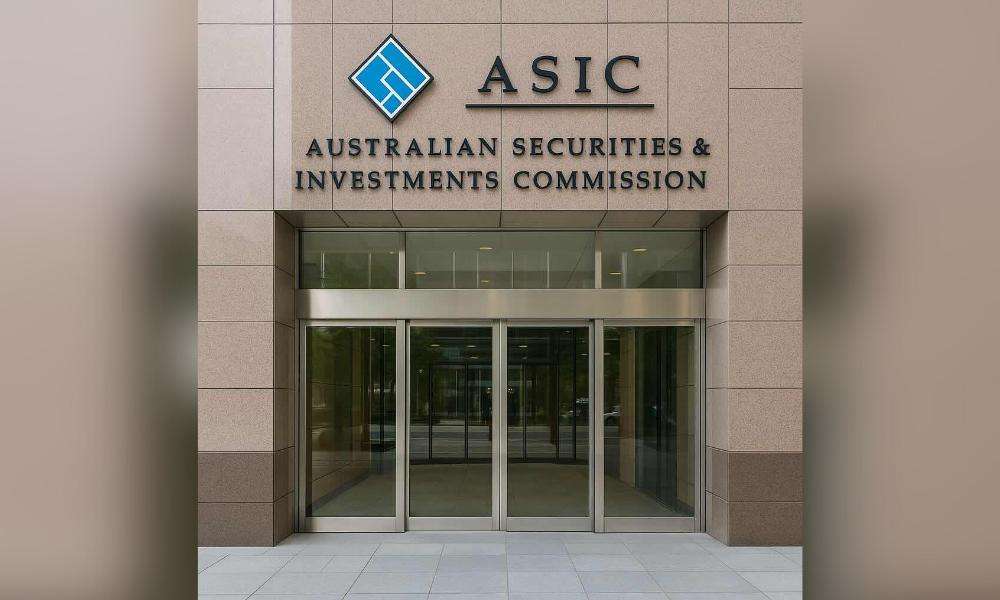
The First Guardian Master Fund collapse has also affected around 6,000 investors. Many people had transferred parts of their superannuation into the fund after receiving financial advice or recommendations. The Australian Securities and Investments Commission (ASIC) has been investigating multiple parties connected to the fund, including advisers, operators and other entities involved in the investment structure.
Investors say the situation has created significant emotional and financial stress, particularly for people who were close to retirement and relying on their superannuation savings. Some affected Australians have reported that their retirement plans have been delayed because they cannot access money they expected to use in later life.
The collapses have raised broader questions about oversight of investment products offered through superannuation platforms. Authorities and consumer advocates have called for stronger checks to ensure investors understand the risks associated with high-return investment opportunities and that trustees properly monitor the products they provide.
ASIC has taken enforcement action and continues investigations into parties connected with both funds. The regulator has also worked with courts and liquidators to preserve assets and explore possible recovery options for affected investors.
Some investors have received compensation or repayments through agreements involving financial firms, while others are still waiting for outcomes from liquidation processes, complaints and possible legal actions.
The issue has become one of the largest recent challenges facing Australia’s superannuation sector, highlighting the importance of understanding where retirement savings are invested and ensuring appropriate protections are in place.
For affected investors, recovery may depend on the outcome of liquidation processes, court decisions, regulatory actions and compensation schemes. Authorities have encouraged people involved in the collapses to seek information and lodge complaints where appropriate.
InvestorsFundAffectedSuperannuationCollapse
Thousands of Australians are dealing with financial uncertainty following the collapse of two investment funds, First Guardian Master Fund and Shield Master Fund, which affected retirement savings and superannuation investments.
Among those affected is Debbie Simpson, who has spoken about the impact of the collapse and the uncertainty faced by investors waiting for answers about their money. The failures have triggered investigations by regulators, legal action and calls for stronger protections across Australia’s superannuation industry.
The Shield Master Fund collapse involved thousands of investors whose retirement savings were placed into the investment scheme. The fund was managed by Keystone Asset Management, which later entered liquidation. Regulatory investigations have focused on the management of investor funds and the actions of companies and individuals connected to the scheme.
The First Guardian Master Fund collapse has also affected around 6,000 investors. Many people had transferred parts of their superannuation into the fund after receiving financial advice or recommendations. The Australian Securities and Investments Commission (ASIC) has been investigating multiple parties connected to the fund, including advisers, operators and other entities involved in the investment structure.
Investors say the situation has created significant emotional and financial stress, particularly for people who were close to retirement and relying on their superannuation savings. Some affected Australians have reported that their retirement plans have been delayed because they cannot access money they expected to use in later life.
The collapses have raised broader questions about oversight of investment products offered through superannuation platforms. Authorities and consumer advocates have called for stronger checks to ensure investors understand the risks associated with high-return investment opportunities and that trustees properly monitor the products they provide.
ASIC has taken enforcement action and continues investigations into parties connected with both funds. The regulator has also worked with courts and liquidators to preserve assets and explore possible recovery options for affected investors.
Some investors have received compensation or repayments through agreements involving financial firms, while others are still waiting for outcomes from liquidation processes, complaints and possible legal actions.
The issue has become one of the largest recent challenges facing Australia’s superannuation sector, highlighting the importance of understanding where retirement savings are invested and ensuring appropriate protections are in place.
For affected investors, recovery may depend on the outcome of liquidation processes, court decisions, regulatory actions and compensation schemes. Authorities have encouraged people involved in the collapses to seek information and lodge complaints where appropriate.
Cairns Regional Council has unanimously voted to seek $400,000 in Queensland Government funding for a program designed to connect local businesses with the region’s growing film...
Albury New South Wales · Business News · 17 Sep 2026
An Australian artificial intelligence company has purchased the former Visy paper mill site at Ettamogah, north of Albury, in a significant local business The company, Sharon AI...
A new multi-million-dollar poultry-processing facility has officially opened near Tamworth, bringing major investment and new employment opportunities t...
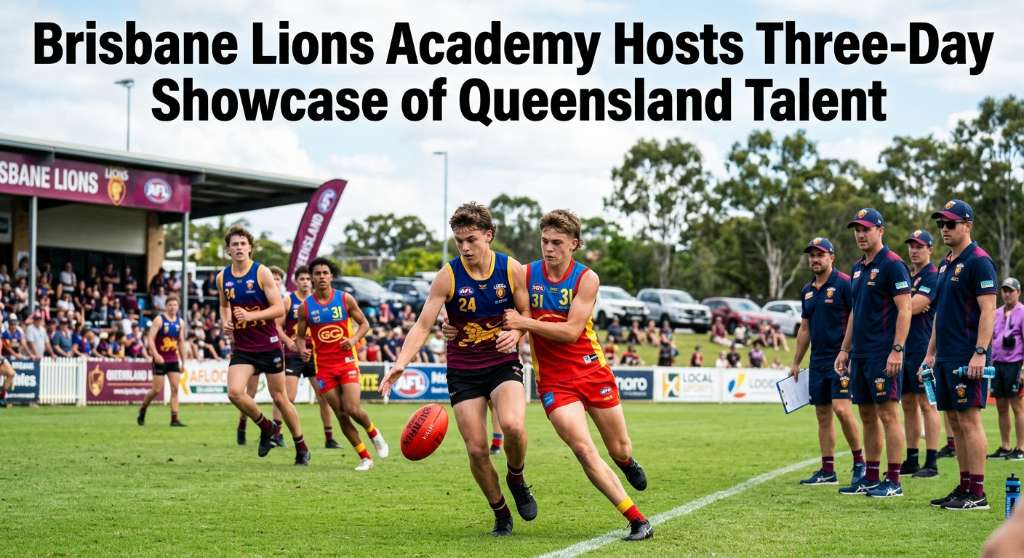
Queensland's emerging football prospects are coming together for a three-day Brisbane Lions State Academy showcase, giving young players an opportunity...
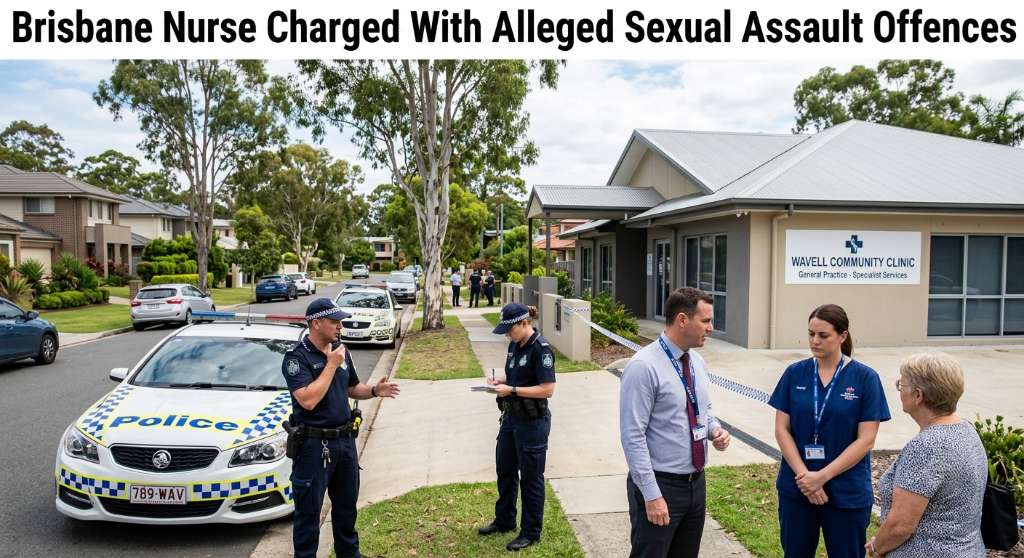
A Wavell Heights enrolled nurse has been charged with four counts of alleged sexual assault and one count of wilful exposure, with his professional regi...
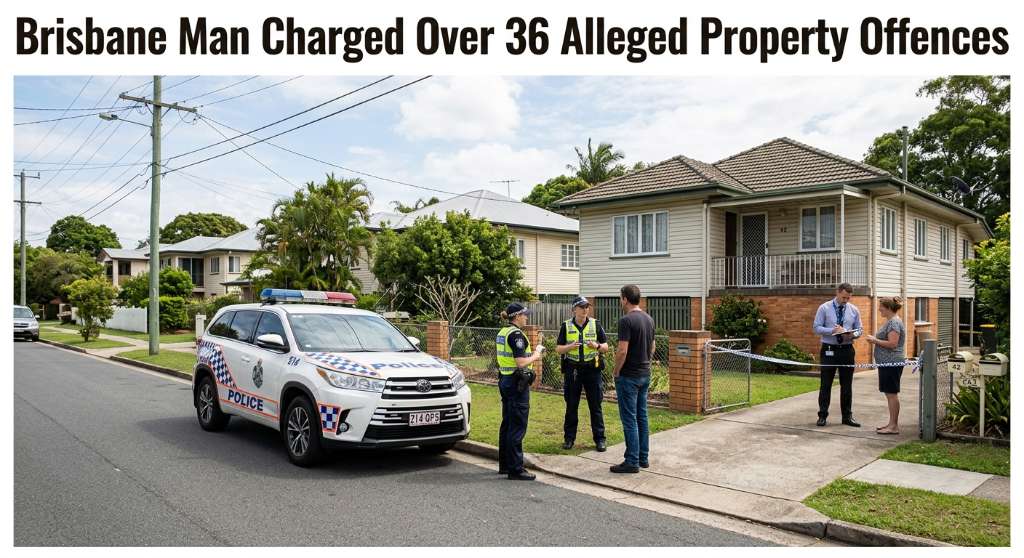
A 24-year-old Carina Heights man has been charged with 36 offences following an investigation into alleged break-ins, vehicle offences and other propert...
Cairns Regional Council has unanimously voted to seek $400,000 in Queensland Government funding for a program designed to connect local businesses with the region’s growing film...
An automated external defibrillator and memorial plaque have been installed at Ellery Creek Big Hole following the death of disability advocate Ellen Fr...
Queensland firefighters spent several hours monitoring a significant grass fire at Mary Kinross Park in Bargara, near Bundaberg, after the blaze broke out on Wednesday evening....