Safety note: Admin approval is an initial review, not a guarantee that every detail is correct. Check important or urgent claims with official sources and report anything inaccurate or unsafe.
Source and credit: Contributor's own report
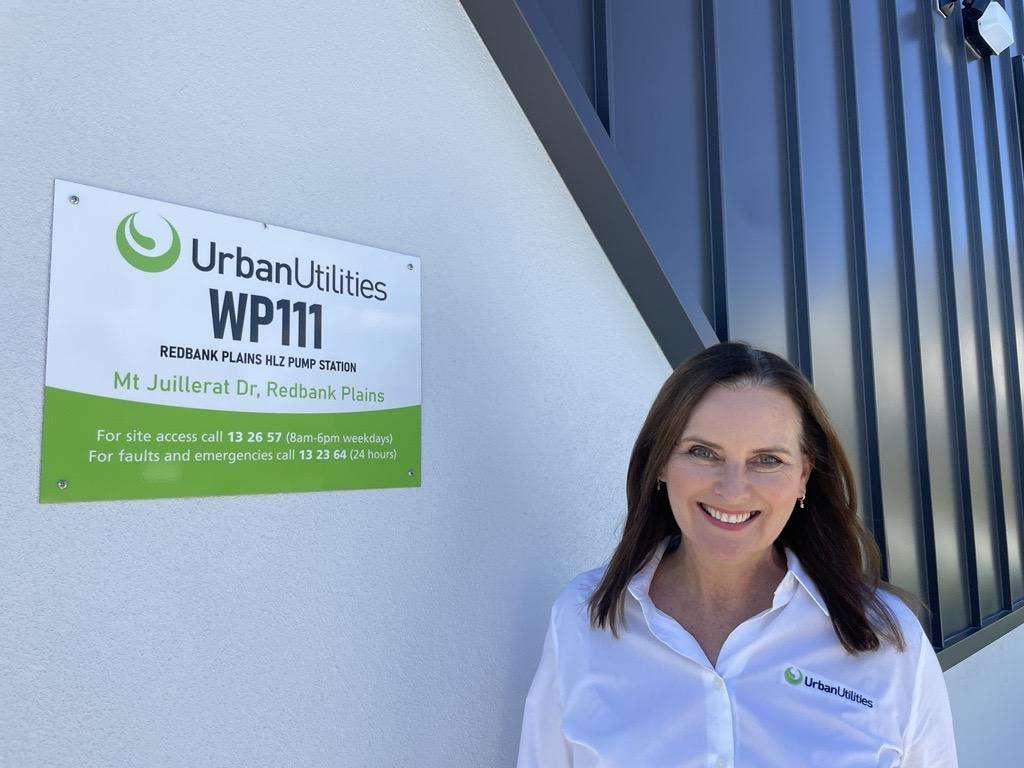
Urban Utilities backs down, freezes water price rise after Queensland government pressure - Brisbane, Queensland
Smart summary
Urban Utilities has reversed its planned water and sewerage price increase for south-east Queensland customers after the Queensland Government threatened legislative action, meaning bills will remain unchanged for the...
More than 1.6 million residents across south-east Queensland will avoid a planned increase in water and sewerage bills after Urban Utilities abandoned its proposed price rise following strong pressure from the Queensland Government.
The government-owned water retailer had initially announced that a typical household's annual water and sewerage bill would increase from 1 July 2026, citing higher operating costs and the need to maintain and expand essential infrastructure. The proposal came only days after the Queensland Government announced it would freeze the State Bulk Water Charge for two years as part of its cost-of-living measures.
The proposed increase immediately drew criticism from Water Minister Ann Leahy, who argued it would undermine the government's promise to reduce pressure on household budgets. The minister publicly demanded that Urban Utilities withdraw the increase and warned the government was prepared to consider legislative changes if the utility refused to comply.
Following discussions with the government, Urban Utilities confirmed it would freeze its component of water and sewerage charges for the 2026–27 financial year. The decision means customers in Brisbane, Ipswich, Lockyer Valley, Scenic Rim and Somerset council areas will not pay higher distributor-retailer charges despite earlier plans for an increase.
Urban Utilities said the pricing reversal was made possible after reviewing its financial position and working with shareholders and the Queensland Government. While customers will benefit from unchanged charges, the utility noted it still faces rising costs associated with maintaining ageing infrastructure, servicing rapid population growth and ensuring reliable water and wastewater services across south-east Queensland.
The dispute highlighted ongoing tensions between keeping utility bills affordable and funding the significant investment required to maintain essential infrastructure. South-east Queensland continues to experience strong population growth, placing increasing pressure on water treatment plants, pipelines, reservoirs and sewerage networks. Utilities have argued that long-term investment remains necessary to ensure reliable services for future communities.
The Queensland Government welcomed Urban Utilities' decision, describing it as an important cost-of-living outcome for households. The government said freezing both the state bulk water charge and the retailer's component of water bills would provide greater certainty for families facing broader increases in living expenses.
Urban Utilities has also confirmed that customers experiencing financial hardship will continue to have access to payment plans and assistance programs, while investment in critical infrastructure projects will continue despite the pricing freeze.
The decision marks a significant reversal from the utility's original proposal and represents a political victory for the Queensland Government, which had made reducing household costs a central feature of its 2026–27 budget. It also means south-east Queensland residents will see no increase in Urban Utilities' charges from 1 July 2026, easing pressure on household budgets during a period of rising living costs.
WaterGovernmentQueenslandUtilitiesUrban
More than 1.6 million residents across south-east Queensland will avoid a planned increase in water and sewerage bills after Urban Utilities abandoned its proposed price rise following strong pressure from the Queensland Government.
The government-owned water retailer had initially announced that a typical household's annual water and sewerage bill would increase from 1 July 2026, citing higher operating costs and the need to maintain and expand essential infrastructure. The proposal came only days after the Queensland Government announced it would freeze the State Bulk Water Charge for two years as part of its cost-of-living measures.
The proposed increase immediately drew criticism from Water Minister Ann Leahy, who argued it would undermine the government's promise to reduce pressure on household budgets. The minister publicly demanded that Urban Utilities withdraw the increase and warned the government was prepared to consider legislative changes if the utility refused to comply.
Following discussions with the government, Urban Utilities confirmed it would freeze its component of water and sewerage charges for the 2026–27 financial year. The decision means customers in Brisbane, Ipswich, Lockyer Valley, Scenic Rim and Somerset council areas will not pay higher distributor-retailer charges despite earlier plans for an increase.
Urban Utilities said the pricing reversal was made possible after reviewing its financial position and working with shareholders and the Queensland Government. While customers will benefit from unchanged charges, the utility noted it still faces rising costs associated with maintaining ageing infrastructure, servicing rapid population growth and ensuring reliable water and wastewater services across south-east Queensland.
The dispute highlighted ongoing tensions between keeping utility bills affordable and funding the significant investment required to maintain essential infrastructure. South-east Queensland continues to experience strong population growth, placing increasing pressure on water treatment plants, pipelines, reservoirs and sewerage networks. Utilities have argued that long-term investment remains necessary to ensure reliable services for future communities.
The Queensland Government welcomed Urban Utilities' decision, describing it as an important cost-of-living outcome for households. The government said freezing both the state bulk water charge and the retailer's component of water bills would provide greater certainty for families facing broader increases in living expenses.
Urban Utilities has also confirmed that customers experiencing financial hardship will continue to have access to payment plans and assistance programs, while investment in critical infrastructure projects will continue despite the pricing freeze.
The decision marks a significant reversal from the utility's original proposal and represents a political victory for the Queensland Government, which had made reducing household costs a central feature of its 2026–27 budget. It also means south-east Queensland residents will see no increase in Urban Utilities' charges from 1 July 2026, easing pressure on household budgets during a period of rising living costs.
Geelong's historic Botanic Gardens are preparing for their 175th anniversary, with volunteers and horticultural staff working to preserve a living colle...
Three high-school students have joined the Carnarvon Volunteer Fire and Rescue Service as the regional organisation works to strengthen its volunteer nu...
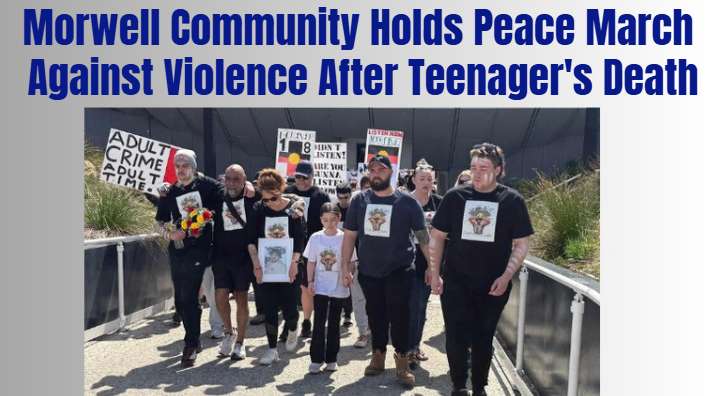
Around 300 people walked through Morwell to remember Kaiden Morgan-Johnston one year after his death and call for safer streets across the Latrobe Valley.
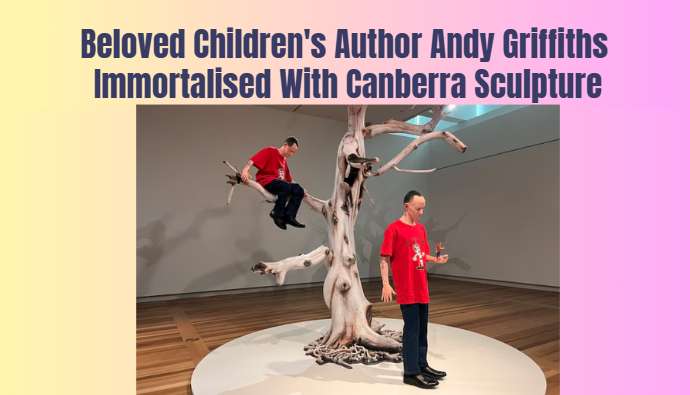
A four-metre-high 3D-printed sculpture celebrating Australian children's author Andy Griffiths has gone on display at Canberra's National Portrait Gallery.
A 22-year-old Elimbah man has been charged after a two-car crash at Baringa on the Sunshine Coast, with police alleging he fled into nearby bushland bef...
A 34-year-old man has been charged after police allege a worker was threatened with a knife during an overnight robbery at a fast-food restaurant in Spr...
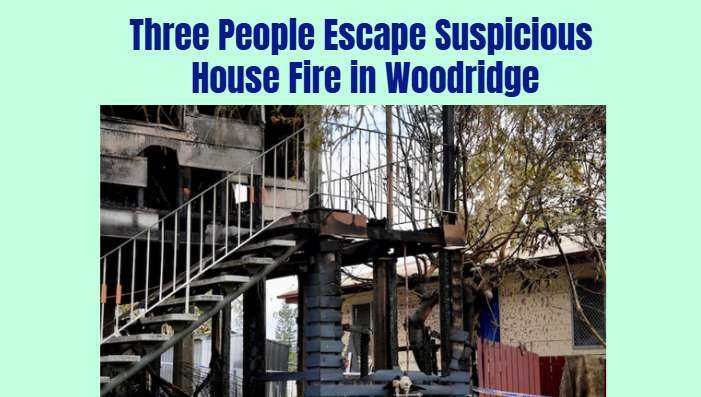
A two-storey home in Woodridge, south of Brisbane, has been extensively damaged by fire, with police declaring a crime scene after three people escaped...
A 22-year-old Elimbah man has been charged after a two-car crash at Baringa on the Sunshine Coast, with police alleging he fled into nearby bushland bef...
A new proposal for factory-built ecohomes in Orange aims to speed up construction while reducing household energy costs as local property prices remain...
Geelong's historic Botanic Gardens are preparing for their 175th anniversary, with volunteers and horticultural staff working to preserve a living colle...