Australian Veterans Voice Concerns Over Proposed $5,000 Health Support Cap
By Neha Maurya · Published 19 Jun 2026 · Updated 19 Jun 2026
Townsville, Queensland · Queensland News
Safety note: Admin approval is an initial review, not a guarantee that every detail is correct. Check important or urgent claims with official sources and report anything inaccurate or unsafe.
Source and credit: Contributor's own report
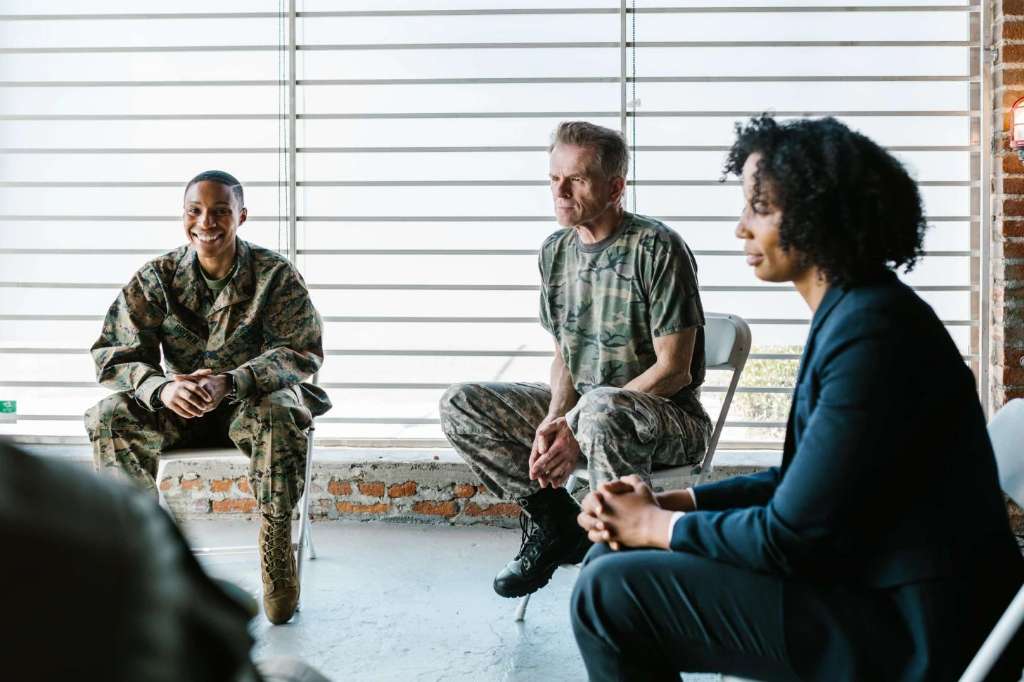
Australian veterans symbolising community support and advocacy.
Smart summary
Local veterans have expressed significant concern regarding a proposed $5,000 annual cap on health and wellbeing support funding, citing potential impacts on access to vital rehabilitation and counselling services.
Australian veterans have expressed concern over a proposed cap that would limit health and wellbeing support funding to $5,000 per year, arguing the change could significantly affect access to vital recovery and rehabilitation services.
Former defence personnel say many veterans rely on specialised programs that often cost far more than the proposed limit, particularly those dealing with mental health challenges, post-service adjustment issues and long-term physical injuries. Critics fear the measure could reduce access to treatment options that have proven beneficial for recovery and wellbeing.
One veteran told the Townsville Bulletin that he personally spent thousands of dollars on treatment and support services during his recovery journey and believes many others would struggle to achieve similar outcomes under a capped funding model. Support programs can include counselling, psychological treatment, peer-support initiatives, rehabilitation activities and wellness programs designed specifically for veterans.
Advocates argue that former Australian Defence Force members often face unique health challenges resulting from military service. Many require specialised support that extends beyond standard healthcare services, particularly when dealing with trauma, anxiety, depression or difficulties transitioning to civilian life.
Veteran organisations have warned that limiting funding could create barriers for those most in need of assistance. Some groups believe early intervention and access to comprehensive support programs ultimately reduce long-term health costs by helping individuals recover sooner and maintain stronger social connections.
The proposal has generated debate within the veteran community, with supporters of existing programs emphasising the positive impact they have had on participants. Many veterans report that structured wellbeing activities, counselling services and peer-support networks play an important role in improving mental health outcomes and reducing social isolation.
Mental health remains a significant issue within the veteran community. Recent national discussions, including findings from inquiries into veteran wellbeing, have highlighted the importance of accessible and ongoing support services for former service personnel and their families.
Critics of the proposed funding cap argue that a one-size-fits-all limit may not reflect the differing needs of veterans. While some individuals may require only limited assistance, others dealing with complex physical or psychological conditions may need substantially greater support.
Government representatives and policymakers are continuing discussions regarding the future structure of veteran support funding. Any changes would likely be closely examined by advocacy groups, service organisations and veterans themselves to ensure that essential care remains available.
The debate underscores broader concerns about how best to support Australia's veteran community. Many stakeholders agree that effective health and wellbeing programs are critical for helping former military personnel rebuild their lives after service and maintain long-term physical and mental health.
As consultations continue, veterans are calling on decision-makers to carefully consider the potential impact of funding changes and ensure that those who have served the nation retain access to the support they need.
SupportHealthVeteransVeteranFunding
Australian veterans have expressed concern over a proposed cap that would limit health and wellbeing support funding to $5,000 per year, arguing the change could significantly affect access to vital recovery and rehabilitation services.
Former defence personnel say many veterans rely on specialised programs that often cost far more than the proposed limit, particularly those dealing with mental health challenges, post-service adjustment issues and long-term physical injuries. Critics fear the measure could reduce access to treatment options that have proven beneficial for recovery and wellbeing.
One veteran told the Townsville Bulletin that he personally spent thousands of dollars on treatment and support services during his recovery journey and believes many others would struggle to achieve similar outcomes under a capped funding model. Support programs can include counselling, psychological treatment, peer-support initiatives, rehabilitation activities and wellness programs designed specifically for veterans.
Advocates argue that former Australian Defence Force members often face unique health challenges resulting from military service. Many require specialised support that extends beyond standard healthcare services, particularly when dealing with trauma, anxiety, depression or difficulties transitioning to civilian life.
Veteran organisations have warned that limiting funding could create barriers for those most in need of assistance. Some groups believe early intervention and access to comprehensive support programs ultimately reduce long-term health costs by helping individuals recover sooner and maintain stronger social connections.
The proposal has generated debate within the veteran community, with supporters of existing programs emphasising the positive impact they have had on participants. Many veterans report that structured wellbeing activities, counselling services and peer-support networks play an important role in improving mental health outcomes and reducing social isolation.
Mental health remains a significant issue within the veteran community. Recent national discussions, including findings from inquiries into veteran wellbeing, have highlighted the importance of accessible and ongoing support services for former service personnel and their families.
Critics of the proposed funding cap argue that a one-size-fits-all limit may not reflect the differing needs of veterans. While some individuals may require only limited assistance, others dealing with complex physical or psychological conditions may need substantially greater support.
Government representatives and policymakers are continuing discussions regarding the future structure of veteran support funding. Any changes would likely be closely examined by advocacy groups, service organisations and veterans themselves to ensure that essential care remains available.
The debate underscores broader concerns about how best to support Australia's veteran community. Many stakeholders agree that effective health and wellbeing programs are critical for helping former military personnel rebuild their lives after service and maintain long-term physical and mental health.
As consultations continue, veterans are calling on decision-makers to carefully consider the potential impact of funding changes and ensure that those who have served the nation retain access to the support they need.
Queensland Police have charged a 24-year-old Coomera man following an alleged stolen-truck incident and hit-and-run crash across the northern Gold Coast. Police say the investig...
A dramatic close call at Brisbane's Howard Smith Wharves has reignited discussions about pedestrian safety, rider responsibility and the use of shared p...
From European-style villages and tropical rainforests to turquoise beaches and dramatic desert landscapes, these Australian locations offer internationa...
The City of Moreton Bay will launch Australia's first next-generation AI traffic light pilot in Petrie, using intelligent sensors and artificial intelli...
Queensland's emerging football prospects are coming together for a three-day Brisbane Lions State Academy showcase, giving young players an opportunity...
A Wavell Heights enrolled nurse has been charged with four counts of alleged sexual assault and one count of wilful exposure, with his professional regi...
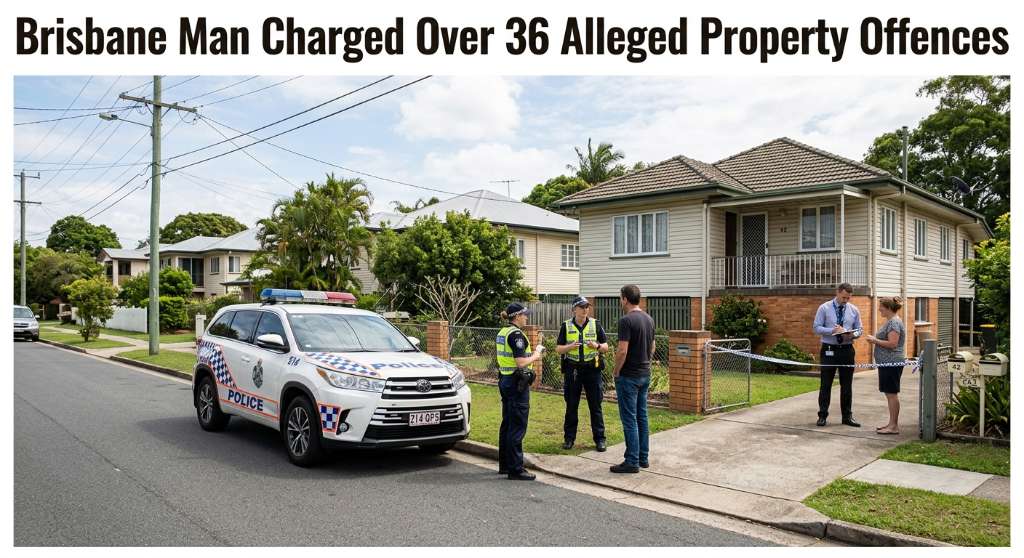
A 24-year-old Carina Heights man has been charged with 36 offences following an investigation into alleged break-ins, vehicle offences and other propert...
Cairns Regional Council has unanimously voted to seek $400,000 in Queensland Government funding for a program designed to connect local businesses with the region’s growing film...
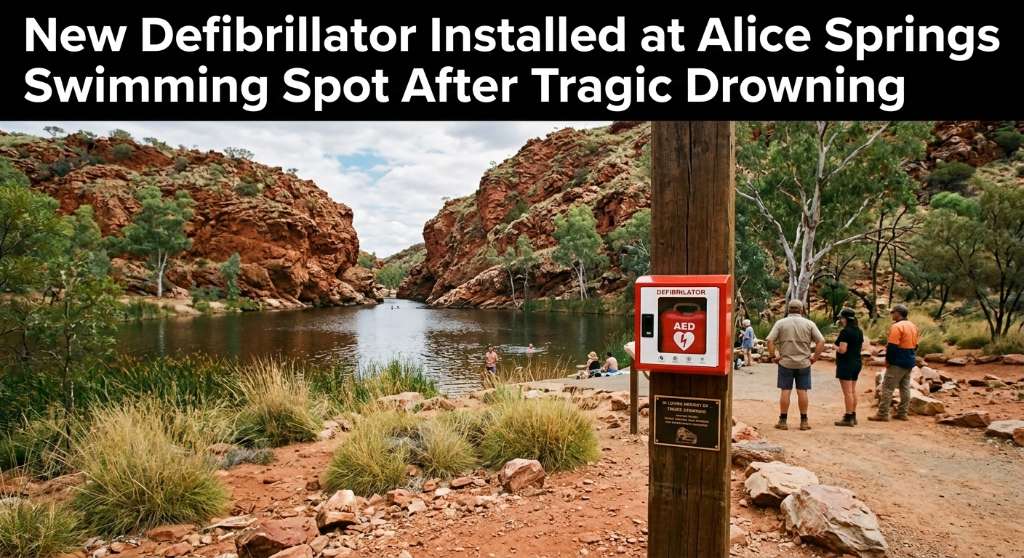
An automated external defibrillator and memorial plaque have been installed at Ellery Creek Big Hole following the death of disability advocate Ellen Fr...
Queensland firefighters spent several hours monitoring a significant grass fire at Mary Kinross Park in Bargara, near Bundaberg, after the blaze broke out on Wednesday evening....