Safety note: Admin approval is an initial review, not a guarantee that every detail is correct. Check important or urgent claims with official sources and report anything inaccurate or unsafe.
Source and credit: Contributor's own report
Queensland Council to Trial Australia's First AI-Powered Traffic Lights - Brisbane, Queensland
Smart summary
The City of Moreton Bay will launch Australia's first next-generation AI traffic light pilot in Petrie, using intelligent sensors and artificial intelligence to reduce congestion, shorten waiting times and improve roa...
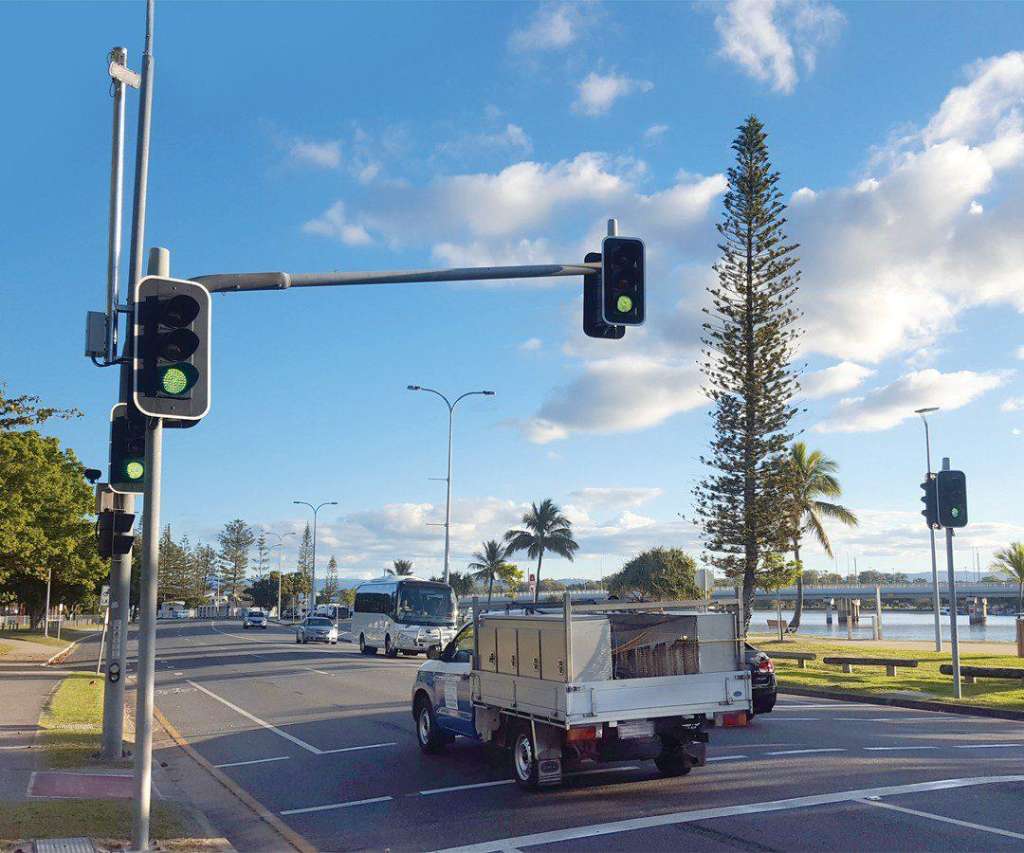
The City of Moreton Bay is set to become the first local government in Australia to trial a new generation of artificial intelligence-powered traffic lights, with a pilot project designed to make intersections smarter, safer and more efficient. The initiative aims to reduce unnecessary delays by allowing traffic signals to respond dynamically to real-time road conditions instead of relying solely on fixed timing sequences.
The $170,000 pilot project will be installed at the intersection of Moreton Parade and Paper Avenue in Petrie, near the University of the Sunshine Coast (Moreton Bay campus). Installation is expected to begin in September 2026, with the technology monitored over a 12-month trial before a full evaluation is undertaken. If successful, the council may expand the system to more complex intersections throughout the region.
Unlike conventional traffic lights that operate on preset schedules, the AI-powered system will use advanced vehicle detection sensors and intelligent software to monitor traffic volumes continuously. The technology can identify different types of road users—including cars, buses, cyclists and pedestrians—and adjust signal timings based on actual demand. By predicting traffic flow and adapting in real time, the system aims to minimise unnecessary red-light waiting times while improving the overall movement of vehicles through intersections.
Council officials selected the Petrie intersection because it experiences relatively light traffic compared with major arterial roads, making it an ideal testing location. Testing the technology in a controlled environment will allow engineers to evaluate its performance without significantly disrupting motorists. Data collected throughout the trial will measure travel times, queue lengths, safety outcomes and operational reliability.
The initiative forms part of a broader effort across Queensland to modernise transport infrastructure using intelligent transport systems. The Queensland Department of Transport and Main Roads is already upgrading traffic signal infrastructure statewide through its Next Generation Traffic Signalling Program, preparing intersections for future smart transport technologies and connected vehicles.
Supporters believe AI-controlled intersections could reduce congestion, improve fuel efficiency and lower vehicle emissions by decreasing idle time at traffic lights. Faster traffic flow may also shorten travel times for commuters while helping emergency services and public transport move more efficiently through busy road networks. Transport planners see intelligent signalling as an important step toward preparing Australian cities for population growth and increasingly connected transport systems.
The Moreton Bay trial also comes as Brisbane City Council prepares a much larger AI-based traffic management program to optimise traffic across multiple intersections. Together, these projects reflect growing interest in using artificial intelligence to improve urban mobility ahead of future population growth and major events, including preparations linked to the 2032 Brisbane Olympic and Paralympic Games.
If the Petrie pilot delivers the expected benefits, the technology could eventually be introduced across Moreton Bay and influence traffic management strategies adopted by other Australian councils. Officials believe smarter intersections could become a key part of future transport networks, improving road safety while making daily travel faster and more efficient for motorists, cyclists and pedestrians alike.
TrafficTransportIntersectionsMoretonTrial
The City of Moreton Bay is set to become the first local government in Australia to trial a new generation of artificial intelligence-powered traffic lights, with a pilot project designed to make intersections smarter, safer and more efficient. The initiative aims to reduce unnecessary delays by allowing traffic signals to respond dynamically to real-time road conditions instead of relying solely on fixed timing sequences.
The $170,000 pilot project will be installed at the intersection of Moreton Parade and Paper Avenue in Petrie, near the University of the Sunshine Coast (Moreton Bay campus). Installation is expected to begin in September 2026, with the technology monitored over a 12-month trial before a full evaluation is undertaken. If successful, the council may expand the system to more complex intersections throughout the region.
Unlike conventional traffic lights that operate on preset schedules, the AI-powered system will use advanced vehicle detection sensors and intelligent software to monitor traffic volumes continuously. The technology can identify different types of road users—including cars, buses, cyclists and pedestrians—and adjust signal timings based on actual demand. By predicting traffic flow and adapting in real time, the system aims to minimise unnecessary red-light waiting times while improving the overall movement of vehicles through intersections.
Council officials selected the Petrie intersection because it experiences relatively light traffic compared with major arterial roads, making it an ideal testing location. Testing the technology in a controlled environment will allow engineers to evaluate its performance without significantly disrupting motorists. Data collected throughout the trial will measure travel times, queue lengths, safety outcomes and operational reliability.
The initiative forms part of a broader effort across Queensland to modernise transport infrastructure using intelligent transport systems. The Queensland Department of Transport and Main Roads is already upgrading traffic signal infrastructure statewide through its Next Generation Traffic Signalling Program, preparing intersections for future smart transport technologies and connected vehicles.
Supporters believe AI-controlled intersections could reduce congestion, improve fuel efficiency and lower vehicle emissions by decreasing idle time at traffic lights. Faster traffic flow may also shorten travel times for commuters while helping emergency services and public transport move more efficiently through busy road networks. Transport planners see intelligent signalling as an important step toward preparing Australian cities for population growth and increasingly connected transport systems.
The Moreton Bay trial also comes as Brisbane City Council prepares a much larger AI-based traffic management program to optimise traffic across multiple intersections. Together, these projects reflect growing interest in using artificial intelligence to improve urban mobility ahead of future population growth and major events, including preparations linked to the 2032 Brisbane Olympic and Paralympic Games.
If the Petrie pilot delivers the expected benefits, the technology could eventually be introduced across Moreton Bay and influence traffic management strategies adopted by other Australian councils. Officials believe smarter intersections could become a key part of future transport networks, improving road safety while making daily travel faster and more efficient for motorists, cyclists and pedestrians alike.
Queensland Police have charged a 24-year-old Coomera man following an alleged stolen-truck incident and hit-and-run crash across the northern Gold Coast. Police say the investig...
A dramatic close call at Brisbane's Howard Smith Wharves has reignited discussions about pedestrian safety, rider responsibility and the use of shared p...
From European-style villages and tropical rainforests to turquoise beaches and dramatic desert landscapes, these Australian locations offer internationa...
A motorcyclist has died following a crash involving a car at Baringa on the Sunshine Coast, with police investigating the circumstances of the fatal col...
Fire crews and water-bombing helicopters are responding to a fast-moving bushfire near Oak Valley, north of Townsville, as residents in nearby areas are...
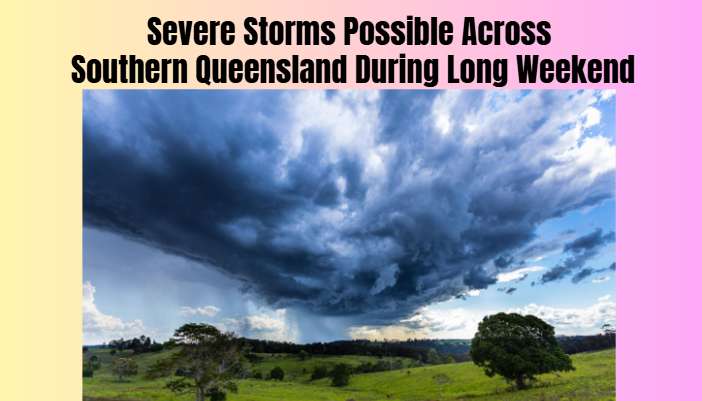
The Bureau of Meteorology is warning of possible thunderstorms across southern Queensland during the King’s Birthday long weekend, with unsettled weathe...
Changes to Australia’s working holiday visa program have raised concerns among tourism and hospitality businesses in Far North Queensland, where backpac...
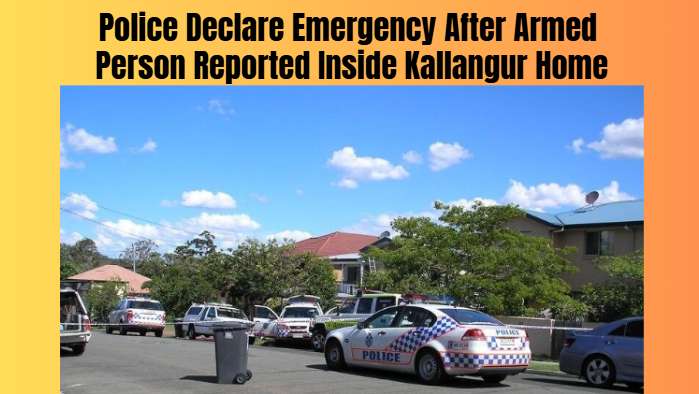
Queensland Police established an emergency exclusion zone in Kallangur, north of Brisbane, after receiving reports of an armed person inside a residence...
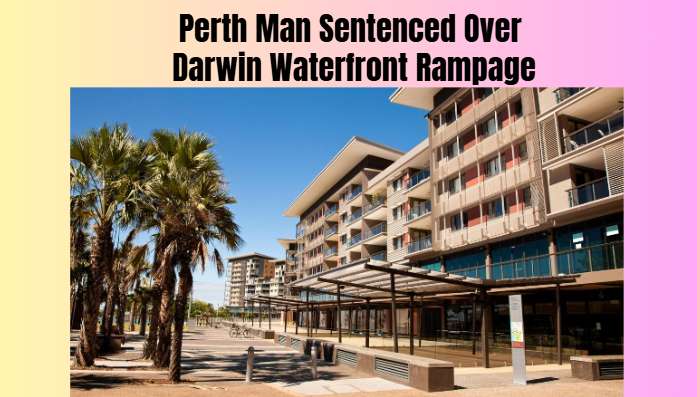
A 36-year-old man extradited from Perth has received a suspended prison sentence after being convicted over a violent incident involving four people at...
Darwin's Frontier Bar and Grill manager Aston Bell has received two industry awards, recognising her leadership, customer service and contribution to th...
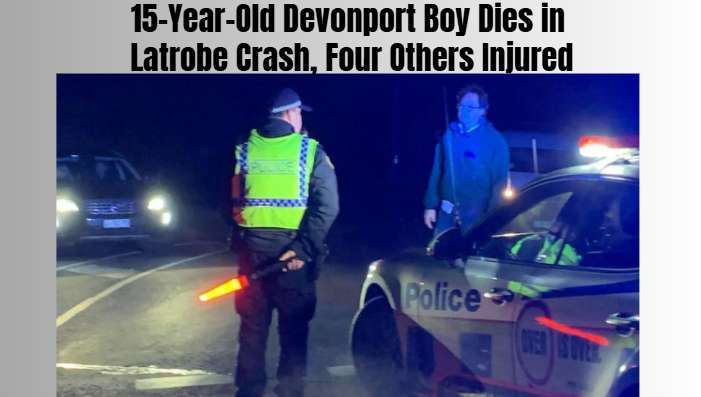
A teenager from Devonport has died and four other people were injured after a serious crash involving a ute on Mersey Main Road near Latrobe, Tasmania.