Safety note: Admin approval is an initial review, not a guarantee that every detail is correct. Check important or urgent claims with official sources and report anything inaccurate or unsafe.
Source and credit: Contributor's own report
Victoria Park Olympic Legacy Plan Released for Public Feedback - Brisbane, Queensland
Smart summary
Draft master plan outlines new Brisbane Stadium, expanded parklands and long-term community facilities.
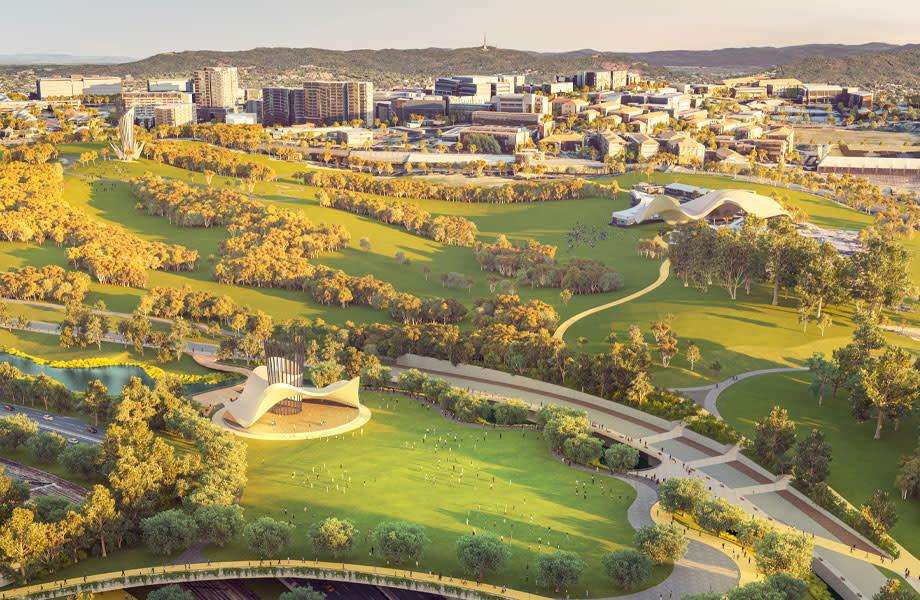
The Queensland Government has released the draft Victoria Park Olympic Legacy Master Plan, giving Brisbane residents their first detailed look at the long-term vision for one of the city's largest redevelopment projects. Announced on 5 August 2026, the plan sets out how Victoria Park will be transformed into a modern sporting, recreational and community precinct while preserving large areas of public green space.
The master plan forms a central part of Brisbane's preparations for the 2032 Olympic and Paralympic Games. Its most significant feature is the proposed new Brisbane Stadium, which is planned to become the city's premier venue for major sporting events, concerts and international competitions. In addition to the stadium, the proposal includes expanded wetlands, new walking and cycling paths, improved public transport connections, playgrounds and community recreation areas.
Government representatives said the redevelopment is intended to create a lasting legacy that will benefit Brisbane residents long after the Olympic Games conclude. Around two-thirds of Victoria Park will remain dedicated to green open space, ensuring the precinct continues to serve as one of the city's largest public parks while accommodating new sporting infrastructure.
Premier David Crisafulli said the project is designed with a long-term vision rather than focusing only on the Olympic Games. According to the government, the redevelopment aims to improve access to recreation, encourage healthier lifestyles and provide a venue capable of hosting world-class events for decades to come. The project also seeks to strengthen Brisbane's reputation as a destination for sport, tourism and entertainment.
The release of the draft plan has generated significant public discussion. While many residents have welcomed the proposal and the opportunity to modernise the precinct, others have questioned the project's overall cost and delivery timeline. Opposition representatives and some community groups have called for greater transparency regarding funding arrangements, arguing that detailed cost estimates should be made public before construction progresses further.
Transport planning has also become a major topic of discussion. Community members have highlighted the importance of ensuring sufficient public transport capacity, road access and pedestrian connections to accommodate future visitors. Government planners said transport planning remains a key component of the consultation process and will continue to evolve as detailed designs are completed.
Environmental considerations have also been incorporated into the draft proposal. The master plan includes expanded natural areas, improved stormwater management, additional tree planting and new recreational spaces intended to enhance biodiversity while maintaining Victoria Park's role as an important urban green space. Officials say these features will help balance environmental protection with future development needs.
Public consultation is now underway, allowing Brisbane residents, sporting organisations, local businesses and community groups to provide feedback before the master plan is finalised. Government officials have encouraged people to review the proposal and share suggestions that could help shape the future of the precinct. Feedback received during the consultation period will be considered before final planning decisions are made.
The Victoria Park redevelopment represents one of the most ambitious urban projects associated with the Brisbane 2032 Olympic and Paralympic Games. If delivered as proposed, it will combine international-standard sporting facilities with extensive public parklands, creating a destination designed to serve both major events and everyday community use.
BrisbanePlanWillCommunityOlympic
The Queensland Government has released the draft Victoria Park Olympic Legacy Master Plan, giving Brisbane residents their first detailed look at the long-term vision for one of the city's largest redevelopment projects. Announced on 5 August 2026, the plan sets out how Victoria Park will be transformed into a modern sporting, recreational and community precinct while preserving large areas of public green space.
The master plan forms a central part of Brisbane's preparations for the 2032 Olympic and Paralympic Games. Its most significant feature is the proposed new Brisbane Stadium, which is planned to become the city's premier venue for major sporting events, concerts and international competitions. In addition to the stadium, the proposal includes expanded wetlands, new walking and cycling paths, improved public transport connections, playgrounds and community recreation areas.
Government representatives said the redevelopment is intended to create a lasting legacy that will benefit Brisbane residents long after the Olympic Games conclude. Around two-thirds of Victoria Park will remain dedicated to green open space, ensuring the precinct continues to serve as one of the city's largest public parks while accommodating new sporting infrastructure.
Premier David Crisafulli said the project is designed with a long-term vision rather than focusing only on the Olympic Games. According to the government, the redevelopment aims to improve access to recreation, encourage healthier lifestyles and provide a venue capable of hosting world-class events for decades to come. The project also seeks to strengthen Brisbane's reputation as a destination for sport, tourism and entertainment.
The release of the draft plan has generated significant public discussion. While many residents have welcomed the proposal and the opportunity to modernise the precinct, others have questioned the project's overall cost and delivery timeline. Opposition representatives and some community groups have called for greater transparency regarding funding arrangements, arguing that detailed cost estimates should be made public before construction progresses further.
Transport planning has also become a major topic of discussion. Community members have highlighted the importance of ensuring sufficient public transport capacity, road access and pedestrian connections to accommodate future visitors. Government planners said transport planning remains a key component of the consultation process and will continue to evolve as detailed designs are completed.
Environmental considerations have also been incorporated into the draft proposal. The master plan includes expanded natural areas, improved stormwater management, additional tree planting and new recreational spaces intended to enhance biodiversity while maintaining Victoria Park's role as an important urban green space. Officials say these features will help balance environmental protection with future development needs.
Public consultation is now underway, allowing Brisbane residents, sporting organisations, local businesses and community groups to provide feedback before the master plan is finalised. Government officials have encouraged people to review the proposal and share suggestions that could help shape the future of the precinct. Feedback received during the consultation period will be considered before final planning decisions are made.
The Victoria Park redevelopment represents one of the most ambitious urban projects associated with the Brisbane 2032 Olympic and Paralympic Games. If delivered as proposed, it will combine international-standard sporting facilities with extensive public parklands, creating a destination designed to serve both major events and everyday community use.
Sixteen-year-old Xavier Cain from Mount Gambier is preparing to compete against some of the world's leading simulator racers in the 2026 Porsche e Sports...
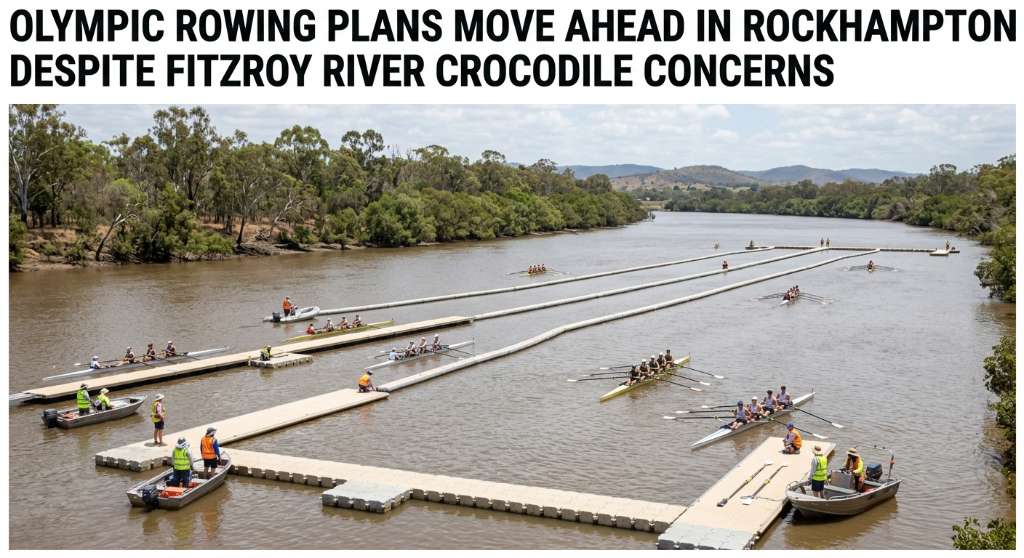
Plans for the 2032 Brisbane Olympic rowing events to be held on Rockhampton’s Fitzroy River are progressing, while questions remain about crocodile safe...
Central Coast New South Wales · Sports News · 18 Sep 2026
The Central Coast rugby league community is preparing for a major weekend of local sport, with the 2026 Central Coast Rugby League grand finals scheduled for Saturday, 19 Septem...
Plans for the 2032 Brisbane Olympic rowing events to be held on Rockhampton’s Fitzroy River are progressing, while questions remain about crocodile safe...
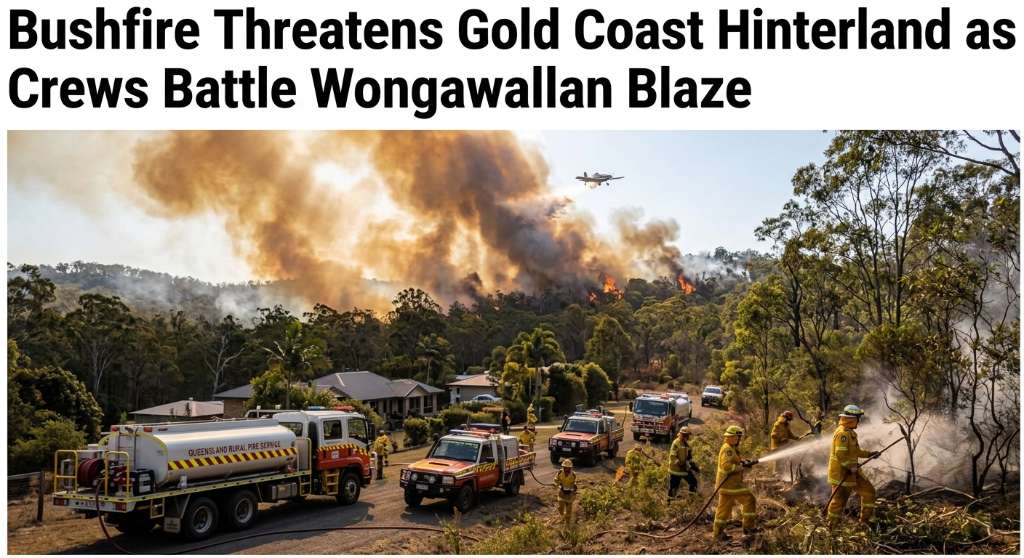
Firefighters have worked through the night to contain a fast-moving bushfire at Wongawallan in the Gold Coast hinterland, with crews protecting homes as...
Sixteen-year-old Xavier Cain from Mount Gambier is preparing to compete against some of the world's leading simulator racers in the 2026 Porsche e Sports...
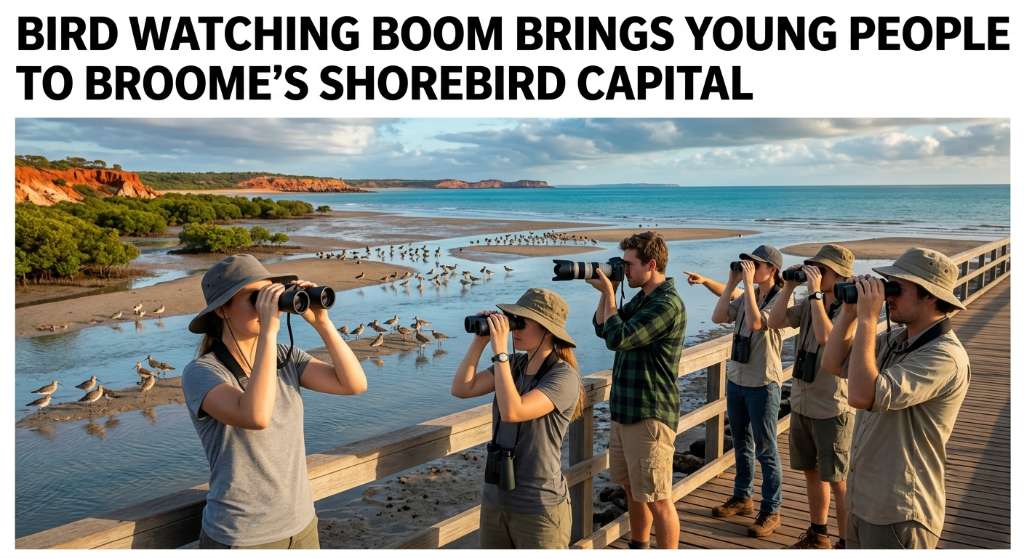
A growing number of young Australians are taking up birdwatching, bringing fresh interest to the Broome Bird Observatory and the migratory shorebirds of...
Tasmania Police are investigating a two-vehicle collision at the intersection of Percival and Cotton Streets in Latrobe, with three people taken to hosp...